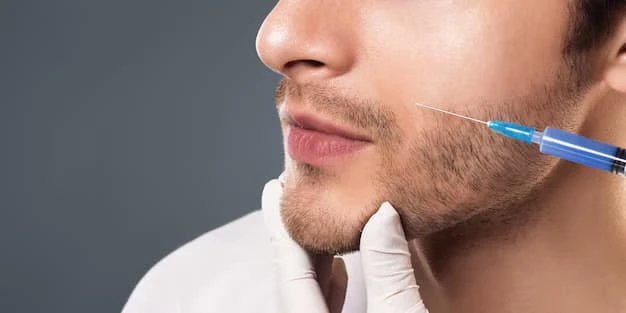
Facial hair plays a major role in personal appearance and self confidence for many men. A full and well shaped beard is often seen as a sign of maturity and style, yet not everyone can grow facial hair evenly. Genetics, scarring, hormonal factors, or medical conditions can all limit natural beard growth. A beard transplant has become a popular and reliable solution for individuals seeking fuller and more defined facial hair.
Understanding what to expect before, during, and after a beard transplant helps set realistic expectations and prepares individuals for a smooth and successful experience.
Understanding a Beard Transplant
A beard transplant is a cosmetic procedure that restores facial hair by transferring healthy hair follicles from one area of the body to the beard region. The donor area is usually the scalp, where hair growth is dense and resilient.
How a Beard Transplant Works
Hair follicles are carefully extracted from the donor area and implanted into areas of the face where beard growth is thin or absent. Each follicle is placed with precision to match the natural angle and direction of facial hair growth, ensuring a realistic appearance.
Why Men Choose a Beard Transplant
Many men choose a beard transplant to correct patchy growth, cover scars, or enhance overall beard density. Others seek to achieve a specific beard style that does not grow naturally. The procedure offers a permanent and natural looking solution when performed correctly.
What to Expect Before a Beard Transplant
Proper preparation is essential for achieving optimal results. The steps taken before the procedure can significantly impact healing and final outcomes.
Initial Consultation and Assessment
The process begins with a detailed consultation. During this stage, the specialist evaluates facial hair patterns, donor hair quality, and overall suitability for a beard transplant. Medical history, lifestyle factors, and expectations are also discussed to ensure the procedure aligns with individual goals.
Beard Design and Planning
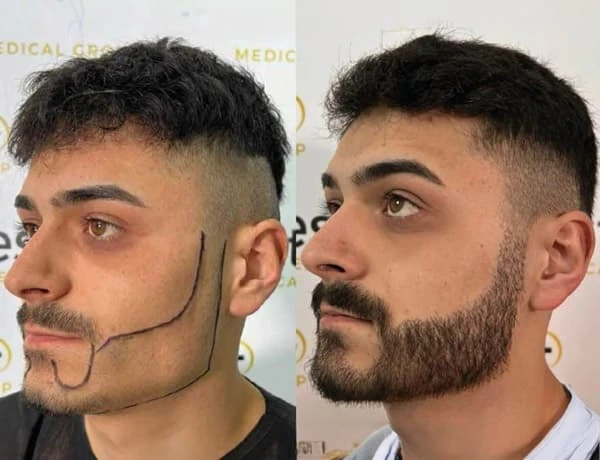
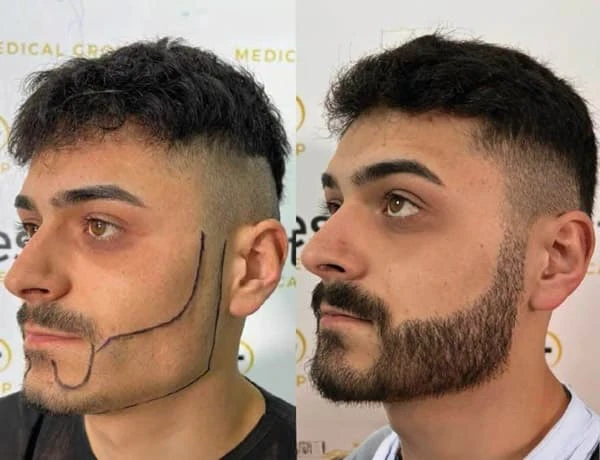
A customized beard design is created based on facial structure and personal preferences. This includes determining the shape, density, and coverage areas. Careful planning helps ensure natural results that complement facial features.
Medical and Lifestyle Considerations
Before the procedure, individuals may be advised to avoid smoking, alcohol, and certain medications that could interfere with healing. Following these recommendations helps reduce the risk of complications and improves recovery.
Setting Realistic Expectations
It is important to understand that results develop gradually. While a beard transplant provides permanent hair growth, full results may take several months to become visible. Patience and realistic expectations contribute to overall satisfaction.
What Happens During a Beard Transplant
Knowing what occurs during the procedure can ease anxiety and help individuals feel more confident on the day of treatment.
Preparation on the Day of the Procedure
On the day of the beard transplant, the donor and recipient areas are cleaned and prepared. Local anesthesia is applied to ensure comfort throughout the procedure. Most individuals remain awake but relaxed during the process.
Hair Follicle Extraction
Hair follicles are carefully extracted from the donor area. Each follicle is preserved to maintain its viability and ensure healthy growth after transplantation. Precision during this step is crucial for successful results.
Implantation of Hair Follicles
Once extracted, the follicles are implanted into the beard area. Each follicle is placed at a specific depth and angle to mimic natural beard growth. Attention to detail during implantation plays a key role in achieving a realistic appearance.
Duration of the Procedure
The length of the procedure varies depending on the number of follicles required and the complexity of the design. In most cases, a beard transplant can take several hours to complete.
Immediate Aftercare Following a Beard Transplant
The period immediately after the procedure is important for protecting the transplanted follicles and promoting healing.
Common Post Procedure Effects
Mild swelling, redness, and tenderness in both the donor and beard areas are normal. Small scabs may form around the implanted follicles. These effects typically subside within a few days.
Protecting the Transplanted Area
Individuals are advised to avoid touching or scratching the beard area. Keeping the face clean and following aftercare instructions reduces the risk of infection and helps the follicles settle properly.
Activity Restrictions
Strenuous physical activity, excessive sweating, and sun exposure should be avoided for a short period. Rest and gentle care support faster recovery.
The Recovery Process After a Beard Transplant
Recovery from a beard transplant is generally straightforward, but understanding the healing stages helps individuals feel more at ease.
First Two Weeks After the Procedure
During the first two weeks, scabs begin to fall off naturally. Redness gradually fades, and the skin starts to heal. It is important not to pick at scabs, as this can affect follicle survival.
Temporary Shedding Phase
Within a few weeks, the transplanted hairs often shed. This is a normal and expected part of the process. The hair follicles remain intact beneath the skin and prepare for new growth.
Early Growth Phase
New hair growth typically begins within a few months. Initially, the hair may appear fine or uneven, but it thickens over time as it matures.
Full Results Timeline
Full results from a beard transplant usually become visible within nine to twelve months. By this stage, the beard appears fuller, more even, and natural in appearance.
Long Term Care and Maintenance
Once the transplanted hair has fully grown, long term care is relatively simple.
Grooming and Styling
Transplanted beard hair can be shaved, trimmed, and styled just like natural facial hair. Regular grooming helps maintain a polished and well defined appearance.
Skin and Hair Health
Maintaining healthy skin through proper cleansing and hydration supports long term results. A balanced lifestyle can also contribute to overall hair health.
Monitoring Results
Follow up visits may be recommended to assess progress and address any concerns. These check ins ensure that the results meet expectations and remain consistent over time.
Potential Risks and Considerations
While a beard transplant is generally safe, it is important to be aware of potential risks.
Minor Side Effects
Temporary swelling, redness, and mild discomfort are common but usually resolve quickly. These effects are part of the normal healing process.
Importance of Professional Expertise
The success of a beard transplant depends heavily on proper technique and planning. Choosing experienced professionals reduces the likelihood of complications and improves outcomes.
Is a Beard Transplant Right for You
A beard transplant is ideal for individuals with patchy growth, scarring, or limited facial hair who want a permanent solution. Adequate donor hair and good overall health are key factors in determining suitability.
Conclusion
Understanding what to expect before, during, and after a beard transplant helps individuals approach the procedure with confidence and clarity. From preparation and planning to recovery and long term results, each stage plays an important role in achieving natural and satisfying facial hair restoration. For those seeking expert guidance and personalized care throughout the beard restoration journey, Este Medical Group Cosmetic Surgery provides professional support and advanced solutions tailored to individual goals.


























Sign in to leave a comment.