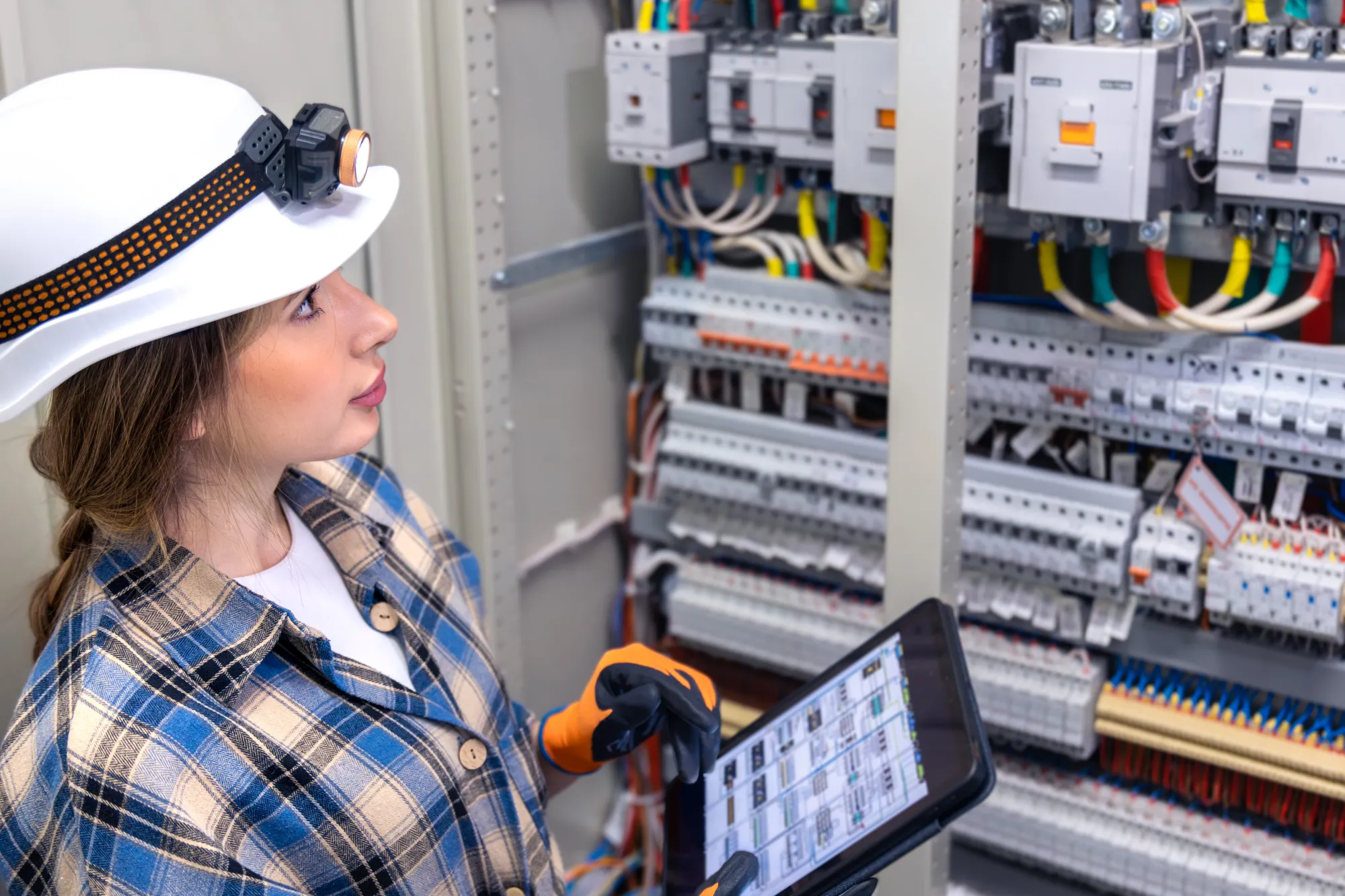

A commercial electrical fit-out is one of the most important stages of preparing a business premises for operation. Whether you're moving into a new office, renovating a retail space, upgrading a warehouse, or fitting out an industrial facility, understanding the process helps ensure your project stays on schedule, complies with Australian standards, and supports your business operations for years to come. Proper planning, coordination, and electrical design are critical to avoiding delays, costly rework, and operational issues after completion.
If you're looking for a reliable commercial electrician in Osborne Park WA, knowing what to expect during each stage of the fit-out process can help you make informed decisions and achieve the best outcome.
Initial Consultation and Site Assessment
Every successful commercial electrical fit-out begins with a detailed consultation and site inspection. During this stage, electricians assess the property layout, intended use of the space, electrical capacity requirements, compliance obligations, and any future expansion plans. Different commercial premises, such as offices, warehouses, retail stores, and industrial facilities, have unique electrical requirements that must be carefully considered.
The initial assessment typically covers:
- Existing electrical infrastructure
- Switchboard capacity and upgrades
- Lighting requirements
- Power outlet locations
- Data and communication cabling
- Emergency and exit lighting
- Security and access control systems
- Energy efficiency opportunities
Future scalability requirements
Electrical Design and Project Planning
Once the site assessment is complete, the electrical design phase begins. This stage ensures that all electrical systems are designed to support daily business operations while complying with Australian electrical standards and building regulations. Careful planning at this stage helps minimise costly changes later in the project.
Electrical plans may include:
- Power distribution layouts
- Lighting design and controls
- Data and network infrastructure
- Fibre optic cabling requirements
- Switchboard upgrades
- Emergency lighting systems
- Security and CCTV wiring
- Equipment-specific power requirements
For businesses planning growth, electricians will often design systems that allow for future expansion without requiring major modifications.
First Fix Electrical Installation
The first fix stage occurs before walls and ceilings are enclosed. This phase involves installing the core electrical infrastructure that supports the entire facility. Coordination with builders, HVAC contractors, and other trades is critical during this stage to avoid delays and conflicts on-site.
During first fix installation, electricians typically install:
- Electrical conduits and cable trays
- Power cabling
- Data cabling and fibre optics
- Switchboard infrastructure
- Lighting wiring
- Security system cabling
- Emergency system wiring
- Equipment supply circuits
This stage forms the backbone of the commercial electrical system.
Second Fix and Equipment Installation
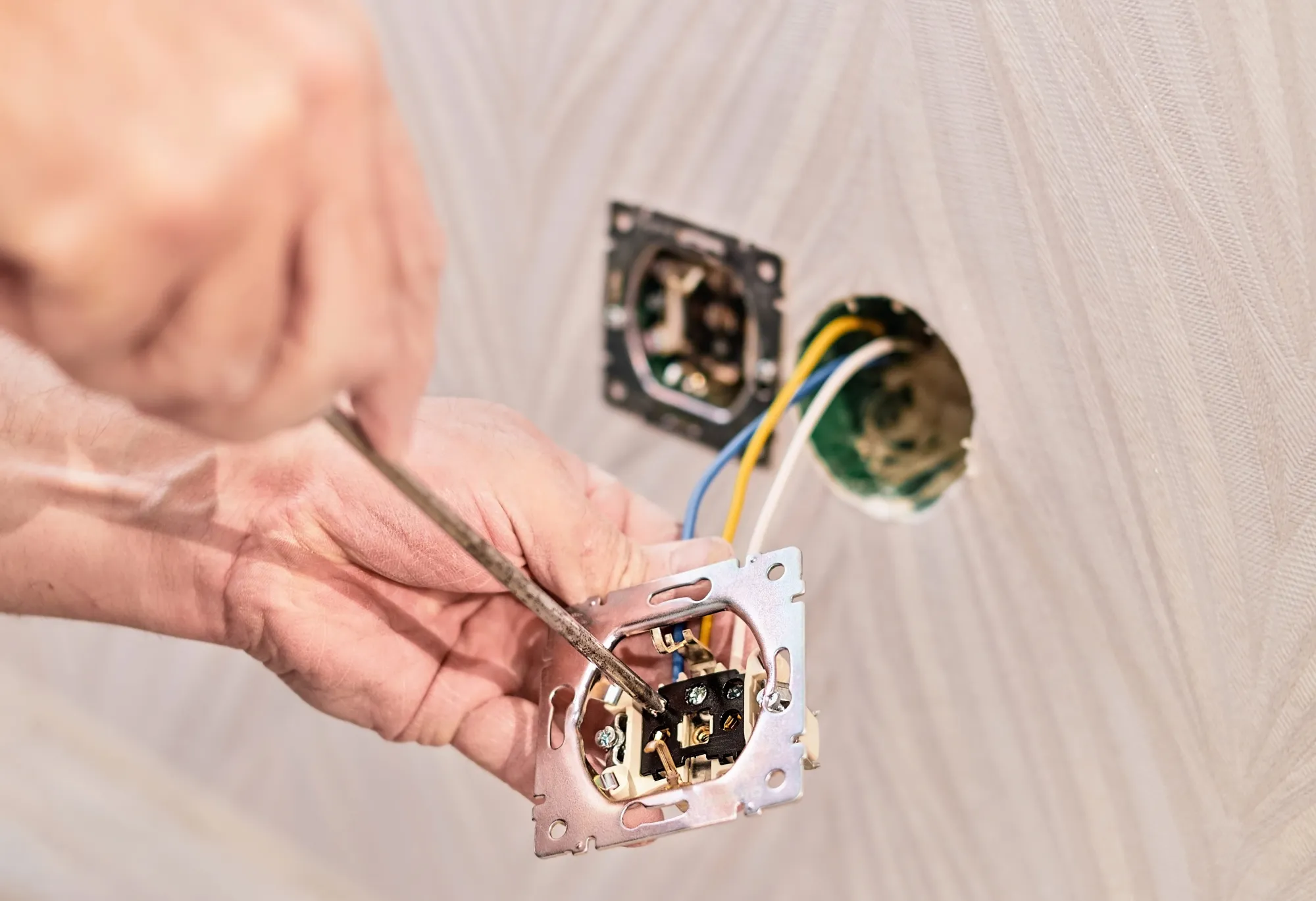
After walls, ceilings, and finishes are completed, electricians return to perform the second fix installation. This phase involves installing all visible electrical components and connecting equipment throughout the premises.
Second fix work generally includes:
- Power outlets and switches
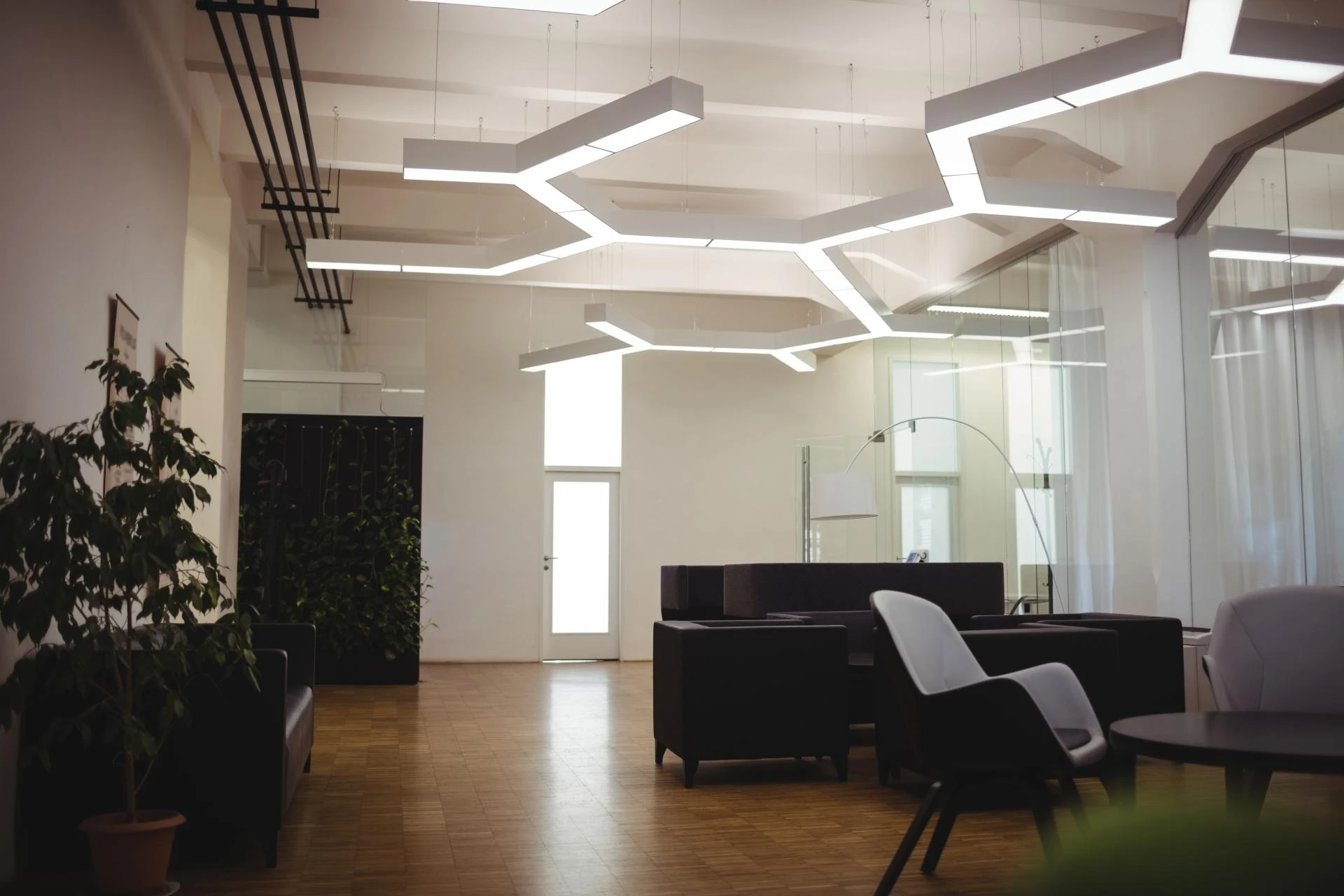
- LED lighting fixtures
- Emergency and exit lighting
- Data outlets
- Switchboards and protection devices
- Security systems
- Access control systems
- Equipment connections
- Audio-visual systems
At this stage, the workspace begins to resemble its final operational layout.
Testing, Compliance, and Certification
Before the project can be handed over, all electrical systems must undergo comprehensive testing and verification. Australian commercial electrical installations must comply with AS/NZS 3000 Wiring Rules and other applicable standards to ensure safety and operational performance.
Testing typically includes:
- Circuit testing
- RCD testing
- Switchboard verification
- Emergency lighting testing
- Network and data testing
- Fault loop testing
- Insulation resistance testing
- Safety inspections
Upon successful completion, your electrical contractor will provide the required compliance documentation and certification.
Final Handover and Client Training
The final stage of a commercial electrical fit-out involves project handover. During this process, business owners and facility managers receive documentation, system information, and operational guidance to ensure they can safely and effectively manage their new electrical infrastructure.
Handover documentation may include:
- Compliance certificates
- Electrical layouts and drawings
- Testing reports
- Maintenance recommendations
- Equipment manuals
- Warranty information
This documentation becomes essential for future maintenance, compliance inspections, and facility upgrades.
Choosing the Right Commercial Electrician in Osborne Park WA
Selecting an experienced contractor can significantly impact the success of your commercial fit-out project. A qualified commercial electrician in Osborne Park WA understands local regulations, project coordination requirements, commercial electrical standards, and the importance of delivering projects on time and within budget.
For professional commercial electrical fit-outs, office installations, power and data solutions, fibre optic cabling, and compliance testing, visit Symbient Electrical.



























Sign in to leave a comment.