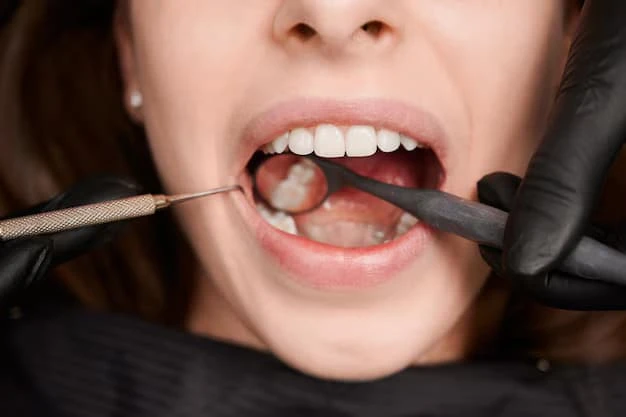

Dental sealants play a valuable role in protecting teeth from decay, especially in children and teenagers, although adults can benefit as well. These thin, protective coatings are applied to the chewing surfaces of the back teeth where grooves and pits make it difficult for regular brushing to reach. The application process is simple, comfortable, and highly effective at preventing cavities. When individuals understand what to expect during a dental sealant procedure, the experience becomes easier, stress free, and more predictable.
This comprehensive guide explains the step by step process, preparation, benefits, aftercare, and common questions related to dental sealants.
Understanding the Purpose of Dental Sealants
Why Dental Sealants Are Important
Back teeth contain deep grooves that naturally trap food particles and bacteria. Brushing alone cannot always clean these tiny spaces. Dental sealants act as a protective barrier that keeps out harmful debris and stops plaque from forming in hard to reach areas
.
Who Can Benefit from Sealants
Children, teenagers, and adults can all benefit. Sealants are most commonly applied to permanent molars shortly after they erupt. However, adults with deep grooves or a history of cavities may also receive them to prevent further issues.
Preparing for the Dental Sealant Procedure
Initial Examination
Before applying dental sealants, the dentist or hygienist performs an examination to assess the condition of the teeth. This step ensures that no existing decay is present. If a cavity is discovered, it must be treated before the sealant is applied.
Cleaning the Tooth Surface
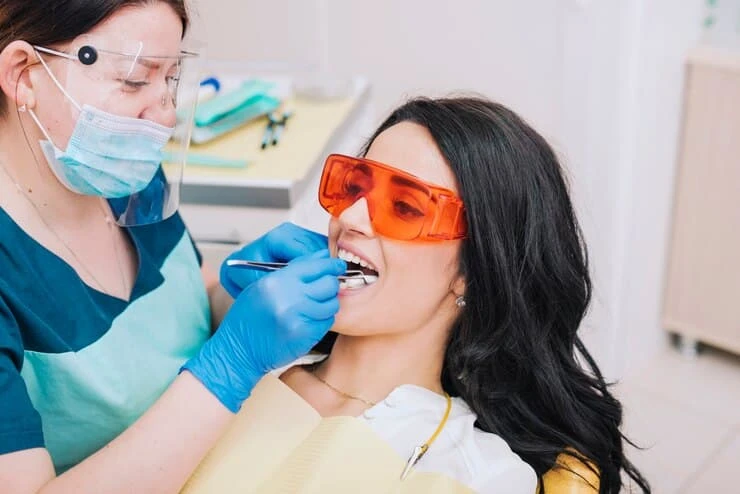
A thorough cleaning removes plaque, food particles, and debris from the tooth. This step is essential because sealants must bond to a clean surface for lasting protection. The dental professional may use a rotating brush or other tools designed for gentle cleaning.
Drying the Tooth
Once the tooth is cleaned, it is dried carefully. Cotton rolls or small absorbent materials are placed around the tooth to keep moisture away. A completely dry surface is crucial because saliva can interfere with the bonding process.
Step by Step Overview of the Dental Sealant Procedure
Applying the Conditioning Gel
After the tooth is dry, a special gel is placed on the chewing surface. This gel helps roughen the surface slightly so the sealant material can attach securely. The gel stays on the tooth for a short period before being rinsed away.
Rinsing and Drying Again
The conditioning gel is thoroughly rinsed, and the tooth is dried once more. The dental professional ensures the area remains isolated from saliva. Keeping the tooth dry throughout the process ensures a strong sealant bond.
Placement of the Sealant
The sealant material is gently painted onto the tooth. It flows into the grooves and pits, coating the entire surface. This liquid material settles into every tiny space where bacteria normally hide.
Hardening the Sealant
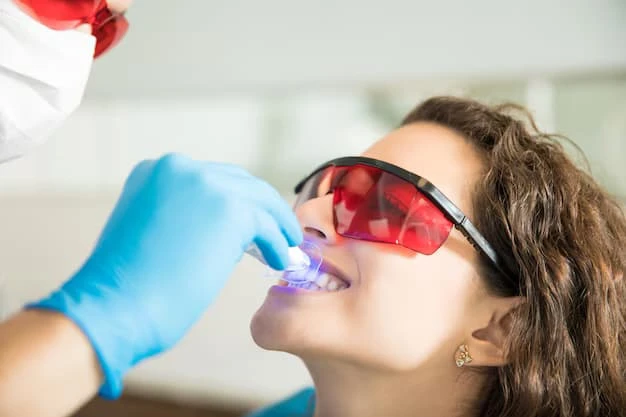
A curing light may be used to harden the sealant within seconds. The light helps the coating become strong and durable. Some types of sealants harden without light, but both methods achieve the same protective result.
Final Check
Once hardened, the dental professional checks the bite to ensure the sealant does not interfere with chewing. If needed, adjustments are made to ensure a comfortable and natural fit.
Comfort and Safety During the Procedure
Is the Procedure Painful
Patients generally feel no pain at all. There is no drilling, numbing, or invasive treatment involved. The process involves simple brushing, rinsing, and placing a thin protective layer.
Safety of Sealant Materials
Sealants are highly safe and approved by dental professionals worldwide. They are designed to remain on the teeth without causing discomfort or irritation. With proper placement, sealants can last for several years.
Aftercare Following a Dental Sealant Procedure
Eating After the Appointment
Patients can usually eat immediately after the procedure. Since the sealant hardens quickly, it is ready for normal use. However, very sticky or chewy foods should be eaten with care because they may loosen the coating over time.
Maintaining Proper Oral Hygiene
Even though dental sealants protect the grooves of the teeth, brushing and flossing remain essential. Good oral hygiene helps protect other areas of the mouth and supports better overall dental health.
Regular Checkups
Sealants need to be checked during routine dental visits. A dentist or hygienist will make sure they remain intact and reapply them if necessary. With proper care, sealants can last several years before needing replacement.
Benefits of Dental Sealants
Significant Cavity Prevention
Studies show that dental sealants can greatly reduce the risk of cavities in molars. They act as a shield that stops bacteria from settling into deep grooves, which are prone to decay.
Quick and Simple Application
The procedure is fast and typically completed in a single visit. Many parents appreciate that their children can receive lasting protection in just a few minutes.
Long Lasting Protection
Sealants are durable and withstand daily chewing. While they may wear down gradually over time, they continue to provide meaningful protection for several years.
Cost Effective Prevention
Preventing cavities with dental sealants is often more affordable than treating decay. Many families choose sealants as a proactive investment in long term oral health.
Common Questions About Dental Sealants
How Long Do Dental Sealants Last
Sealants can last anywhere from three to ten years depending on oral habits and chewing patterns. Regular dental checkups help ensure they remain in good condition.
Can Adults Get Dental Sealants
Yes. Although children are the most common candidates, adults who are prone to cavities or have deep grooves can also benefit.
Will Sealants Change the Way Teeth Feel
At first, sealants may feel slightly different, but patients usually adapt quickly. The material is thin and smooth, making it comfortable during chewing.
Can Sealants Be Placed Over Early Cavities
In some cases, sealants can be used to stop early signs of decay from progressing. A dentist will determine whether this approach is appropriate.
Tips for Maximizing the Effectiveness of Dental Sealants
Maintain Good Oral Habits
Regular brushing, flossing, and professional cleanings support the work of sealants. Good habits help keep all areas of the mouth healthy.
Avoid Habits That Wear Down Teeth
Chewing hard objects, grinding teeth, or biting ice can wear down sealants. Protecting the teeth from these habits ensures the coating lasts longer.
Schedule Routine Dental Visits
Consistent checkups allow the dentist to monitor sealants and reinforce them when needed.
Why Dental Sealants Are Worth Considering
Preventive Care for Children and Adults
Sealants provide strong protection against cavities, especially during the years when children are still developing proper brushing habits. Adults who have experienced frequent decay also benefit from the added protection.
Fast and Noninvasive
The procedure is one of the simplest in dentistry, making it ideal for patients of all ages. There is no discomfort, no drilling, and no disruption to normal activities.
Supports Long Term Oral Health
Sealants do more than protect teeth. By preventing decay, they reduce the need for fillings, crowns, and other restorative treatments in the future.
Conclusion
Understanding what to expect during a dental sealants procedure helps individuals feel comfortable and confident during the appointment. The process is fast, painless, and highly effective at preventing cavities. For those seeking dependable preventive dental care and long term protection, Clove Dental santa monica is committed to providing exceptional service and patient support.

























Sign in to leave a comment.