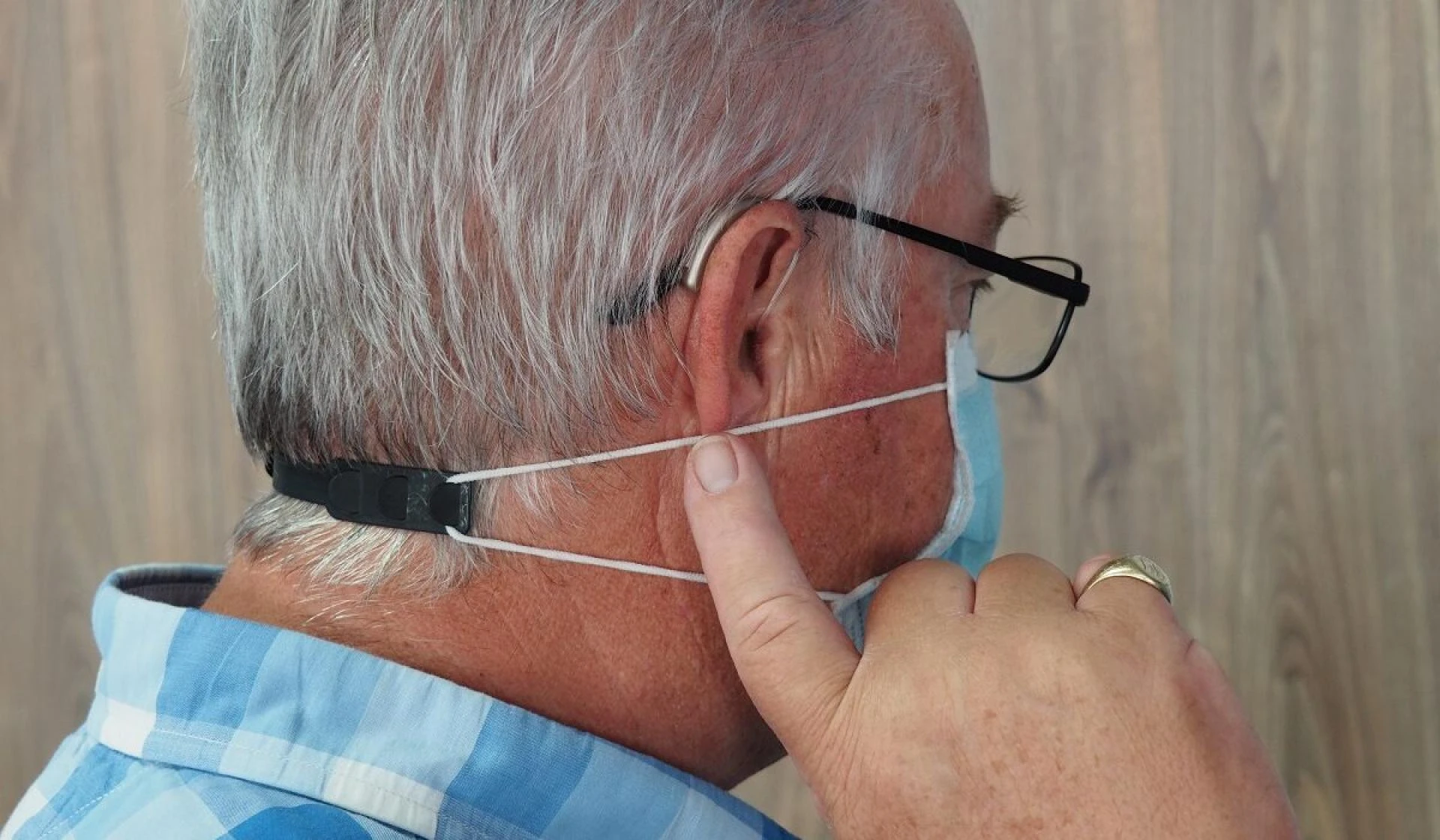

Are you ready to embark on a journey to better hearing? If so, you're in the right place! In this blog post, we'll walk you through what to expect during a hearing aid fitting appointment. Whether you're getting fitted for your first pair of hearing aids or upgrading to a new model, understanding the process can help ease any apprehensions and ensure that you have a successful experience. So let's dive in and discover how the fitting appointment works, what to bring along, and some helpful tips for adjusting to your new device. Get ready to hear the world with clarity once again – it's time for your hearing aid fitting adventure!
The Different Types of Hearing Aids
When it comes to hearing aids, there is no one-size-fits-all solution. Different individuals have different needs and preferences when it comes to their hearing health. That's why there are several types of hearing aids available on the market today.
One common type of hearing aid is the behind-the-ear (BTE) style. As the name suggests, these devices sit comfortably behind your ear and are connected to a custom earmold or dome that fits inside your ear canal. BTEs are known for their versatility and can accommodate various degrees of hearing loss.
Another option is the in-the-ear (ITE) style, which is custom-made to fit snugly within your outer ear. ITEs are typically larger than other styles but offer more features and power due to their size.
For those seeking a discreet option, invisible-in-canal (IIC) or completely-in-canal (CIC) styles may be ideal. These tiny devices fit deep within your ear canal, making them virtually invisible from an outsider's perspective.
Receiver-in-canal (RIC) or receiver-in-the-ear (RITE) styles combine BTE technology with a small speaker placed directly in your ear canal for enhanced sound quality.
Each type of hearing aid has its own unique benefits and considerations. It's essential to consult with an audiologist or hearing care professional who can help determine which style best suits your specific needs.
What to Bring to Your Fitting Appointment
When you schedule a hearing aid fitting appointment, there are a few things you should bring along to ensure a smooth and successful experience. First and foremost, be sure to bring any previous audiological test results or reports that you may have. These will provide valuable information for your audiologist when selecting the right hearing aid for your needs.
In addition to test results, it's important to bring a list of questions or concerns that you may have regarding your hearing loss or the use of hearing aids. This will help guide the discussion during your appointment and ensure that all of your concerns are addressed.
It's also helpful to bring along a trusted family member or friend who can offer support and provide an extra set of ears during the fitting process. Having someone else there can help with understanding instructions and remembering important details discussed during the appointment.
Don't forget to bring any insurance information or documentation related to coverage for hearing aids. This will allow your audiologist to assist in navigating any insurance-related matters and determine what options are available within your coverage.
By coming prepared with these items, you'll be well-equipped for your hearing aid fitting appointment and can make the most out of this important step towards improving your hearing health!
How the Hearing Aid Fitting Process Works
The hearing aid fitting process is an important step towards improving your hearing and enhancing your quality of life. During the fitting appointment, a trained audiologist or hearing care professional will work closely with you to ensure that the chosen device meets your specific needs.
The professional will conduct a thorough assessment of your individual hearing loss. This may involve various tests to determine the type and severity of your impairment. Armed with this information, they can then recommend suitable options from the wide range of available hearing aids.
Next, they will take impressions or measurements of your ears to ensure a proper fit. These measurements are essential in customizing the device for maximum comfort and effectiveness.
Once the physical fitting is complete, it's time to fine-tune the settings on the hearing aid itself. The professional will adjust parameters such as volume levels, speech enhancement features, and noise reduction capabilities according to your preferences and requirements.
Before leaving the appointment, they will provide detailed instructions on how to properly insert and remove the device as well as how to clean and maintain it effectively.
Remember that while a successful fitting is crucial for optimal outcomes, it may take some time for you to adjust fully to wearing a new hearing aid. Be patient with yourself during this period and keep in close contact with your audiologist if any issues arise.
Undergoing a hearing aid fitting appointment is an essential step towards regaining control over your auditory world!
Tips for Getting Used to Your New Hearing Aid
Tips for Getting Used to Your New Hearing Aid
Adjusting to a new hearing aid can take time and patience. Here are some helpful tips to make the transition smoother:
1. Start slow: It's important not to overwhelm yourself with too much sound all at once. Begin by wearing your hearing aid in quieter environments like your home, gradually increasing the amount of time you wear it each day.
2. Practice listening: Engage in activities that allow you to practice listening skills, such as having conversations with friends and family or watching TV with subtitles. This will help train your brain to adapt to the new sounds it is receiving.
3. Seek support: Don't hesitate to reach out for help if you're struggling. Your audiologist can provide guidance and answer any questions or concerns you may have during this adjustment period.
4. Be patient: Remember that adjusting to a hearing aid is a process, and everyone's experience is unique. Give yourself time to get used to the device and don't be discouraged if it doesn't feel natural right away.
5. Stay positive: Focus on the benefits of wearing a hearing aid, such as improved communication and quality of life. Keeping a positive mindset can greatly influence how well you adapt.
By following these tips, you'll likely find that getting used to your new hearing aid becomes easier over time!
Conclusion
Conclusion
Attending a hearing aid fitting appointment is an important step towards improving your hearing and quality of life. By understanding the different types of hearing aids available, gathering the necessary information, and going through the fitting process with a professional audiologist, you can ensure that you find the right device for your needs.
Remember to bring any relevant medical history and medication information to your appointment, as well as questions or concerns you may have about wearing a hearing aid. The audiologist will take precise measurements of your ears and program the device specifically for you.
Once fitted with your new hearing aid, it's normal to need some time to adjust. Start slowly by gradually increasing wear time each day. Take advantage of any follow-up appointments offered by your audiologist to make adjustments or address any issues that may arise during this adjustment period.
With patience and practice, you'll become accustomed to wearing your new hearing aid, allowing you to fully experience all the sounds around you once again. Don't hesitate to reach out for support if needed – there are resources available online and through local support groups where individuals share their experiences and tips for adapting to life with a hearing aid.
In conclusion (without using those words explicitly), remember that getting fitted for a hearing aid is an empowering step toward reclaiming control over one's auditory world. By working closely with knowledgeable professionals throughout the fitting process and taking advantage of ongoing support, anyone can navigate this journey successfully. So don't let hesitation hold you back; embrace this opportunity today!






























Sign in to leave a comment.