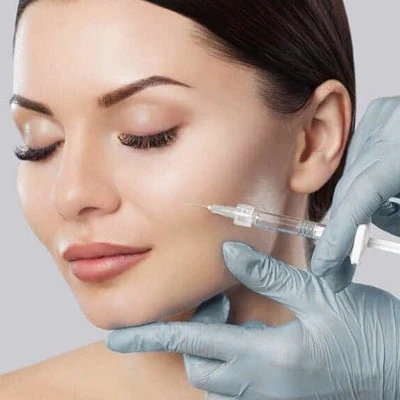

Dermal fillers in muscat are a popular choice for those looking to rejuvenate their appearance and address specific cosmetic concerns. Whether you're considering fillers for the first time or are a seasoned pro, knowing what to expect during and after your treatment can help ensure a smooth and satisfying experience. Here’s a comprehensive guide to what you can anticipate throughout the process.
Before the Treatment: Preparation is Key
Consultation with Your Practitioner
Before any dermal filler treatment, you will have a consultation with a qualified practitioner. This is a crucial step where you'll discuss your aesthetic goals, medical history, and any concerns you might have. Your practitioner will assess your facial anatomy and recommend the best type of filler for your needs. They’ll also explain the procedure, expected outcomes, and potential risks.
Pre-Treatment Guidelines
To ensure the best results and minimize the risk of complications, follow these pre-treatment guidelines:
Avoid Blood Thinners: For about a week before your appointment, refrain from taking blood thinners like aspirin, ibuprofen, or certain supplements (e.g., fish oil and vitamin E) unless prescribed by your doctor. This helps reduce the risk of bruising.Refrain from Alcohol: Avoid alcohol for at least 24 hours before your treatment, as it can increase the likelihood of bruising.Stay Hydrated: Drink plenty of water to keep your skin hydrated and in optimal condition for the procedure.During the Treatment: What to Expect
Procedure Overview
Dermal filler treatments typically take between 15 to 60 minutes, depending on the areas being treated. Here’s a step-by-step breakdown of what usually happens during the procedure:
Cleansing the Area: The treatment area will be cleaned to remove any makeup or impurities.Numbing: To minimize discomfort, your practitioner may apply a topical numbing cream or use a local anesthetic. Some fillers also contain lidocaine, a numbing agent, to further reduce pain.Injection: Using a fine needle or cannula, your practitioner will carefully inject the dermal filler into targeted areas. You might feel a slight pinch or pressure during this process, but it’s generally well-tolerated.Immediate Aftercare
After the injections, your practitioner will provide you with aftercare instructions. These may include:
Ice Packs: Applying ice packs to the treated areas can help reduce swelling and bruising.Avoid Touching: Refrain from touching or massaging the treated areas to avoid displacement of the filler.Avoid Strenuous Activity: For the first 24-48 hours, avoid intense exercise and activities that can increase blood flow to the face.After the Treatment: Recovery and Results
Post-Treatment Symptoms
It’s normal to experience some mild discomfort after your dermal filler treatment. Common side effects include:
Swelling: This is usually temporary and should subside within a few days.Bruising: Some bruising is normal but can be minimized with proper aftercare.Redness and Tenderness: The treatment areas may be red or tender for a short period.Managing Side Effects
To manage and minimize side effects:
Use Ice: Apply ice to reduce swelling and bruising.Take Pain Relievers: Over-the-counter pain relievers like acetaminophen can help alleviate discomfort (avoid aspirin and ibuprofen as they can increase bruising).Follow Instructions: Adhere to the aftercare instructions provided by your practitioner.Results and Maintenance
Seeing the Results
You should start to see the results of your dermal filler treatment almost immediately. However, the final results may take a week or two to fully develop as any residual swelling subsides. The fillers will gradually settle into place, providing a natural-looking enhancement.
Longevity of Results
The longevity of dermal fillers varies depending on the type of filler used and the treatment area. On average, results last between 6 to 18 months. For long-lasting effects, you may need periodic touch-ups or maintenance treatments.
Post-Treatment Tips
To maintain your results and ensure the best outcome:
Follow Up with Your Practitioner: Schedule follow-up appointments to assess your results and discuss any concerns.Protect Your Skin: Use sunscreen to protect your skin from sun damage, which can affect the longevity of your results.Healthy Lifestyle: Maintain a healthy lifestyle with a balanced diet and adequate hydration to support your skin’s overall health.When to Seek Help
While most side effects are mild and temporary, it’s important to be aware of signs that may require medical attention:
Severe Swelling or Pain: If you experience significant swelling or pain, contact your practitioner.Infection Symptoms: Redness, warmth, and discharge at the injection sites could indicate an infection and should be evaluated by a healthcare professional.In Summary
Dermal filler treatments can provide effective and satisfying results when approached with the right knowledge and preparation. By understanding what to expect before, during, and after your treatment, you can ensure a smoother experience and achieve the best possible outcomes. Always follow your practitioner’s advice and don’t hesitate to reach out with any questions or concerns. With proper care, dermal fillers can help you achieve a refreshed and youthful appearance.




























Sign in to leave a comment.