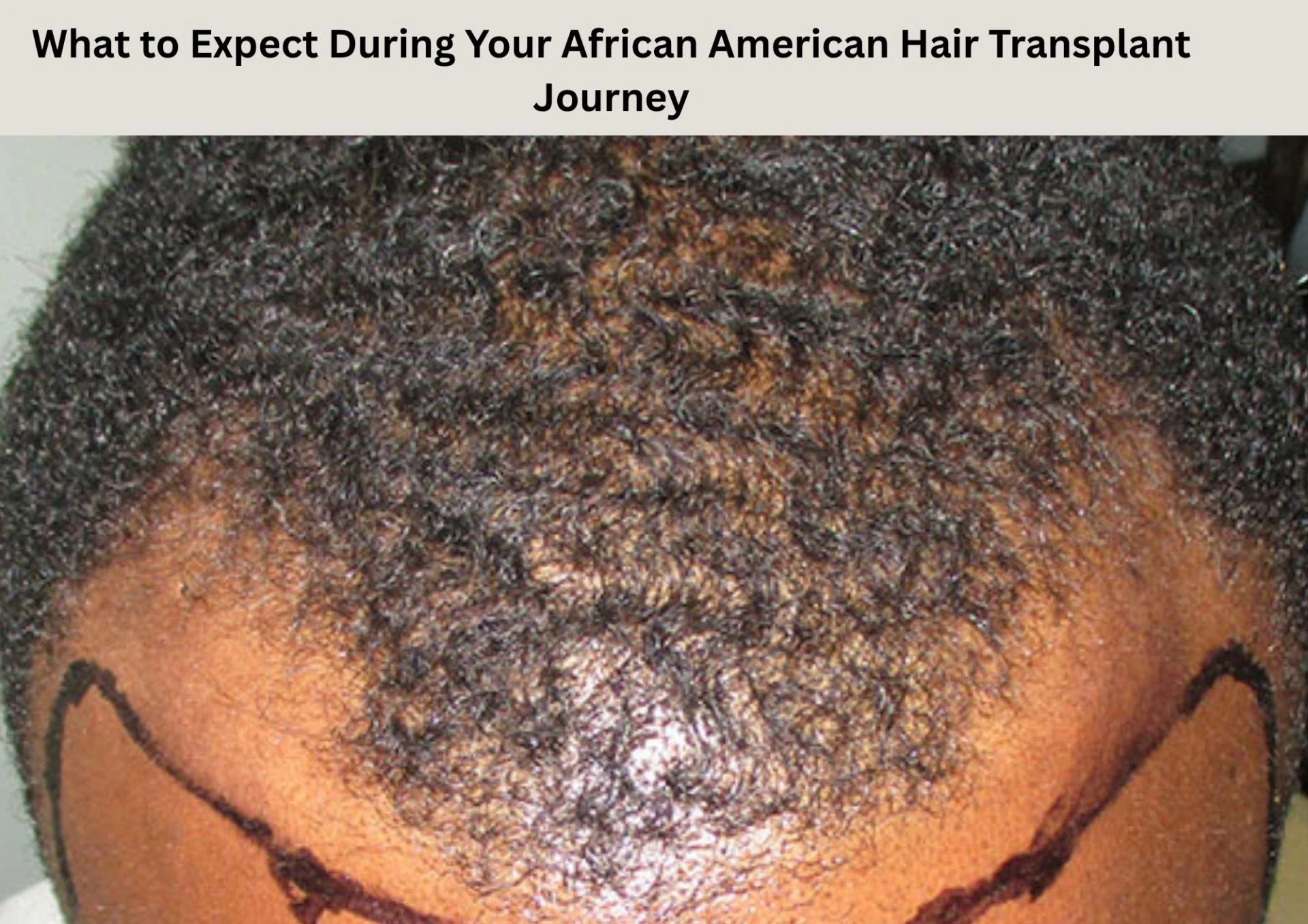

Hair loss can be a deeply emotional and often emotional journey, especially for individuals of African descent. african american hair transplants have become a highly sought-after solution for those experiencing thinning edges, bald spots, or pattern baldness. Thanks to modern hair restoration techniques, people can now achieve natural-looking, permanent results that blend perfectly with textured hair. In this blog, you’ll learn everything you need to know about the African American hair transplant journey — from the initial talk to post-procedure recovery. If you're considering this treatment, understanding what to anticipate can help ease your concerns and prepare you for life-changing results.
Understanding the Unique Structure of African American Hair
One of the first things to know when considering African American hair transplants is that textured hair requires a specialized approach. African American hair is typically tightly coiled, curly, or kinky. This curl pattern extends not just above the scalp but below the skin’s surface as well. The follicular shape is curved or C-shaped, which makes extraction and implantation more complex than for straight or wavy hair types.
The unique structure also means that surgeons must use advanced techniques and customized planning to ensure graft survival and natural-looking density. The tight curl way of African American hair allows fewer grafts to cover a larger area, but only if placed correctly.
Initial Consultation: Evaluating Hair Loss and Suitability
Your African American hair transplant journey begins with an in-depth consultation. During this stage, the specialist will:
- Examine your scalp
- Evaluate the pattern and scope of hair loss
- Discuss your goals and expectations
- Assess your medical history
A scalp analysis helps determine whether you're a good candidate. The back of the scalp, known as the donor area, is usually evaluated for hair density and health. This area is where healthy follicles will be harvested for transplantation.
The consultation also includes discussing the ideal hairline design that matches your facial features and ethnic background. Natural hairlines vary from person to person, and African American hairlines often have a rounded or straight shape. The goal is to maintain cultural authenticity and individual aesthetics.
Choosing the Right Transplant Technique for Textured Hair
There are two major types of hair transplant techniques used for African American hair transplants:
1. Smart Follicular Unit Transplantation (FUT)
Smart FUT involves removing a strip of scalp from the donor area, usually the back of the head. The follicular units are then examined under a microscope and implanted in the recipient areas. While this method can provide high-quality grafts, it does leave a linear scar.
2. Smart Follicular Unit Extraction (FUE)
Smart FUE involves individually extracting hair follicles using a punch tool. This method is preferred for those who want to avoid visible scarring. However, because of the curl underneath the scalp, Smart FUE on African American hair must be done with special tools and experienced hands to avoid transection (damaging the follicle during extraction).
Your specialist will recommend the best method based on your goals, hair texture, and medical history.
Pre-Procedure Preparation
In the days and weeks leading up to your system, you’ll receive specific instructions to prepare your scalp and body for optimal results. These may include:
- Avoiding smoking and alcohol
- Discontinuing certain medications or supplements
- Washing your hair with a recommended shampoo
- Staying hydrated and eating a healthy diet
You may also be advised to trim or stop using hair products temporarily to allow for a cleaner and safer procedure.
The Day of Surgery: What Happens During the Procedure?
Hair transplant surgery is usually done under local anesthesia and may take several hours, depending on the number of grafts needed. Here's what typically happens:
- Marking the Hairline: Your desired hairline is drawn, ensuring it matches your ethnic features and personal preference.
- Anesthesia Application:Local anesthesia is used to numb the scalp, making the procedure virtually painless.
- Follicle Harvesting:Depending on the technique (Smart FUT or Smart FUE), follicles are harvested with precision. In African American hair transplants, special tools are used to work around the curved follicle structure.
- Graft Preparation:Harvested follicles are sorted and cleaned under a microscope. Healthy grafts are selected for implantation.
- Implantation:Tiny incisions are made in the recipient areas, and follicles are implanted following the natural direction and curl of the hair.
- Post-Procedure Care:Once the surgery is completed, your scalp will be bandaged, and post-op instructions will be given to ensure proper healing.
Post-Transplant Recovery: What to Expect
The recovery process plays a vital role in the success of African American hair transplants. Most patients can return to normal activities within a few days, but some precautions are necessary.
1. Initial Healing
- Swelling, redness, and mild distress may occur during the first few days.
- Scabs will form around grafts and typically fall off in 7–10 days.
- Sleeping with your head elevated helps reduce swelling.
2. Shedding Phase
- Transplanted hair will often fall out within 2–4 weeks. This is a normal part of the process called “shock loss.”
- Don’t panic—new growth will begin after this shedding phase.
3. Hair Regrowth Timeline
- 3–4 Months: Initial signs of regrowth become visible.
- 6–9 Months: Hair becomes noticeably thicker and denser.
- 12 Months: Full results are usually evident.
Sticking to post-op care instructions, including avoiding sun exposure, refraining from strenuous exercise, and not scratching your scalp, will enhance healing.
Long-Term Maintenance and Hair Care
Once you’ve gone through the African American hair transplant journey and achieved the desired results, ongoing maintenance is vital.
Recommended practices include:
- Using sulfate-free, moisturizing shampoos and conditioners
- Regular scalp massages to stimulate blood flow
- Avoiding tight hairstyles like braids or cornrows that stress the scalp
- Staying hydrated and eating a level diet to support healthy hair
Transplanted hair behaves like natural hair, so you can treat it the same way — cut, color, or style as you please.
Frequently Asked Questions
1. Will the results look natural on African American hair?
Yes, when done by skilled professionals who understand textured hair, results will appear completely natural.
2. Is it more difficult to perform a transplant on African American hair?
Yes, due to the curl pattern beneath the scalp, but experienced practitioners have specialized tools and techniques to ensure success.
3. Can women undergo African American hair transplants?
Absolutely. Many women, especially those experiencing traction alopecia or thinning edges, benefit significantly from this procedure.
4. Will I need more than one session?
It depends on the extent of your hair loss and your goals. Some individuals may need multiple sessions for full coverage.
5. Are the results permanent?
Yes. Transplanted follicles are usually immune to the hormone that causes hair loss, making the results long-lasting.
Conclusion
The journey through African American hair transplants is one of transformation, confidence, and self-renewal. From understanding the unique challenges of textured hair to undergoing the actual procedure and enjoying long-term results, every step is part of a personalized process tailored to your individual needs. With the right care, skill, and patience, achieving a fuller, natural-looking head of hair is completely possible.
Hair restoration for African Americans requires expertise, precision, and a deep understanding of textured hair. Whether you’re just starting your research or already planning your procedure, this comprehensive guide helps prepare you for what to expect every step of the way. Your hair is part of your identity — and now, you can reclaim it with lasting confidence.





























Sign in to leave a comment.