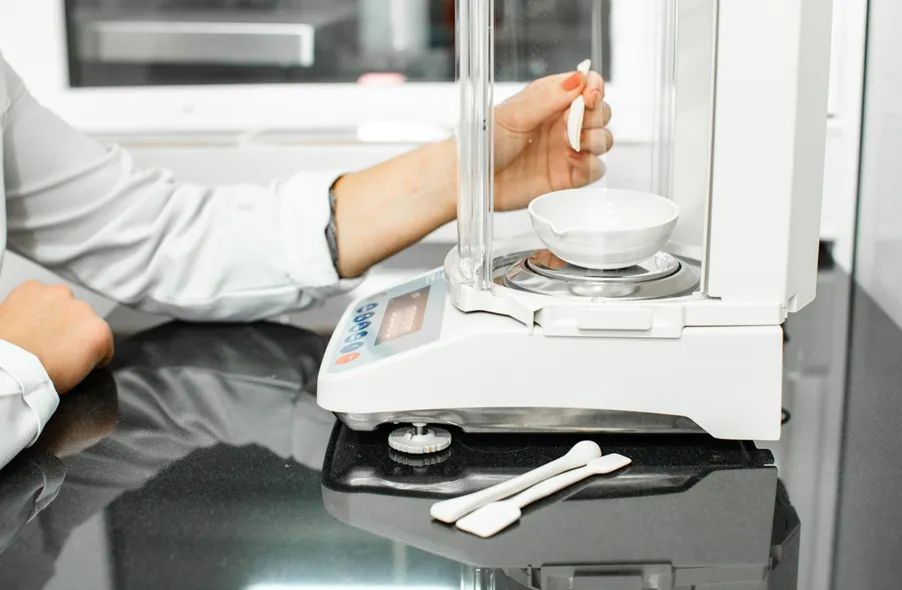
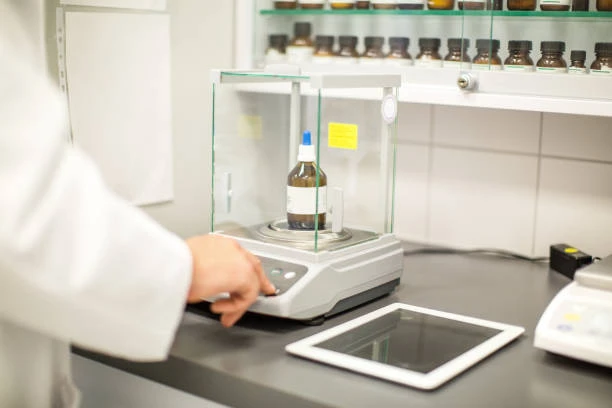
In industries where accuracy is critical, even the smallest measurement error can lead to significant operational, financial, and compliance issues. Whether you're operating in manufacturing, food processing, healthcare, logistics, retail, or laboratory environments, maintaining accurate weighing equipment is essential. This is where a professional scale calibration service plays a vital role.
Regular scale calibration ensures your weighing equipment delivers reliable measurements, meets industry regulations, and operates at peak performance. But what exactly happens during a professional calibration service, and why is it so important?
What Is Scale Calibration?
Scale calibration is the process of comparing a scale's measurements against certified reference weights and adjusting the scale to ensure it produces accurate readings. Over time, scales can drift due to regular use, environmental conditions, transportation, vibration, and mechanical wear.
A professional calibration service identifies these discrepancies and restores the scale's accuracy to acceptable standards.
Calibration is not simply checking whether a scale works—it is a systematic process that verifies performance and ensures the scale meets required tolerances.
Why Regular Scale Calibration Matters
Many businesses rely on weighing equipment for critical operations. Inaccurate measurements can result in:
- Product giveaway and profit loss
- Regulatory compliance violations
- Quality control failures
- Customer disputes
- Production inefficiencies
- Safety risks
Routine calibration helps prevent these issues while ensuring confidence in every measurement.
Key Benefits of Regular Calibration
- Improved measurement accuracy
- Reduced operational errors
- Compliance with industry standards
- Enhanced product quality
- Increased customer trust
- Longer equipment lifespan
- Lower maintenance costs
Investing in professional calibration services ultimately protects both your business reputation and profitability.
Initial Assessment of the Scale
A professional scale calibration service typically begins with a thorough inspection of the weighing equipment.
During this stage, technicians evaluate:
- Physical condition of the scale
- Load cells and sensors
- Platform integrity
- Display functionality
- Power supply systems
- Environmental influences
The technician may also review previous calibration records to identify trends or recurring issues.
This preliminary assessment helps determine whether repairs or maintenance are required before calibration can proceed.
Cleaning and Preventive Maintenance
Before calibration begins, technicians often perform basic cleaning and preventative maintenance.
Dust, debris, moisture, and product buildup can affect weighing accuracy. Professional service providers ensure the scale is clean and functioning correctly before testing starts.
Maintenance tasks may include:
- Cleaning weighing platforms
- Checking connectors and cables
- Inspecting load cells
- Tightening loose components
- Verifying level indicators
- Checking for mechanical wear
Addressing minor issues during calibration can prevent larger and more expensive repairs later.
Testing with Certified Calibration Weights
One of the most important parts of a professional calibration service involves testing the scale using certified calibration weights.
These weights are traceable to national or international measurement standards, ensuring reliable verification.
Technicians place known weights on the scale and compare the displayed readings to the actual weight values.
Testing is often performed across multiple points, including:
Zero Testing
The scale is checked to ensure it accurately returns to zero when unloaded.
Corner Testing
Weights are placed at different points on the platform to verify consistent readings across the weighing surface.
Linearity Testing
The scale is tested using various weight increments to confirm accuracy throughout its entire weighing range.
Repeatability Testing
The same weight is applied multiple times to ensure the scale consistently produces the same result.
These tests provide a complete picture of the scale's performance.
Scale Adjustment and Calibration
If discrepancies are identified during testing, technicians make precise adjustments to restore accuracy.
The calibration process may involve:
- Adjusting internal calibration settings
- Reconfiguring software parameters
- Fine-tuning load cell responses
- Correcting measurement deviations
Modern digital scales often require specialized calibration software and diagnostic tools to perform accurate adjustments.
Once adjustments are completed, the technician repeats testing procedures to verify the scale now meets required tolerances.
Verification of Compliance Standards
Different industries operate under specific measurement and quality requirements. A professional scale calibration service ensures your equipment complies with applicable standards.
Depending on your industry, calibration may support compliance with:
- ISO quality management systems
- Food safety programs
- HACCP requirements
- GMP regulations
- NATA traceability requirements
- Trade measurement regulations
- Laboratory accreditation standards
Documented calibration records are often essential during audits and inspections.
Professional service providers understand industry-specific requirements and ensure calibration procedures align with relevant standards.
Calibration Certificate and Documentation
Upon completion, you should receive a detailed calibration certificate.
This document typically includes:
- Scale identification details
- Calibration date
- Technician information
- Test results
- Calibration methods used
- Reference weight details
- Measurement uncertainty information
- Traceability records
- Next recommended calibration date
These records provide proof that your scale has been professionally calibrated and can be used during quality audits or regulatory inspections.
Maintaining accurate calibration documentation is just as important as the calibration itself.
Recommendations for Future Maintenance
A quality calibration service goes beyond simply adjusting your scale.
Experienced technicians often provide recommendations to help maintain accuracy between calibration intervals.
Common recommendations include:
- Appropriate calibration frequency
- Daily performance checks
- Proper cleaning procedures
- Environmental controls
- Preventive maintenance schedules
- Operator training
Following these recommendations can significantly reduce downtime and extend equipment life.
How Often Should Scales Be Calibrated?
The ideal calibration frequency depends on several factors, including:
- Type of scale
- Frequency of use
- Industry requirements
- Environmental conditions
- Accuracy requirements
- Manufacturer recommendations
For many businesses, annual calibration is sufficient. However, scales used in highly regulated industries or demanding production environments may require calibration every six months, quarterly, or even monthly.
A professional calibration provider can help determine the most suitable schedule for your specific application.
Choosing the Right Scale Calibration Service Provider
Not all calibration services offer the same level of expertise. When selecting a provider, look for:
Industry Experience
Choose a company with experience calibrating scales used in your industry.
Certified Technicians
Qualified technicians ensure calibration procedures are performed correctly.
Traceable Standards
Verify that calibration weights and procedures are traceable to recognized standards.
Comprehensive Documentation
Detailed certificates and service reports are essential for compliance purposes.
On-Site Service Capabilities
On-site calibration minimizes operational disruptions and equipment downtime.
Ongoing Support
Reliable providers offer maintenance, repairs, and calibration scheduling assistance.
Partnering with a trusted calibration specialist ensures long-term accuracy and peace of mind.
Conclusion
A professional scale calibration service is far more than a routine maintenance task—it is a critical investment in accuracy, compliance, and operational efficiency. From detailed inspections and certified weight testing to adjustments, verification, and documentation, every step is designed to ensure your weighing equipment performs reliably.
Regular calibration helps businesses avoid costly errors, maintain product quality, satisfy regulatory requirements, and extend the lifespan of valuable equipment. By understanding what to expect from a professional calibration service, organizations can make informed decisions and keep their weighing systems operating at their best.
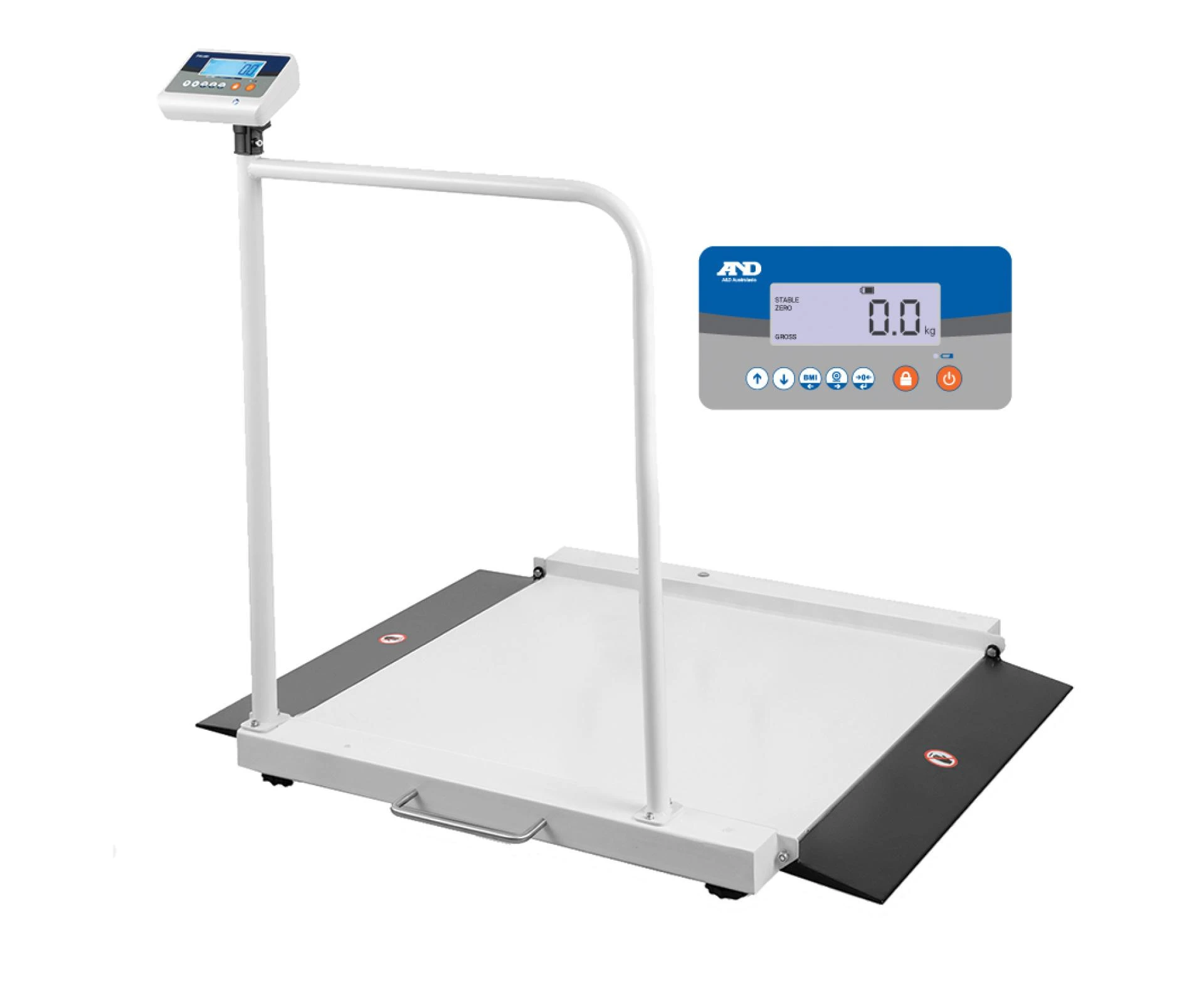
Whether you manage industrial floor scales, laboratory balances, retail scales, or food processing equipment, professional calibration remains one of the most effective ways to protect the accuracy and integrity of your weighing operations.
























Sign in to leave a comment.