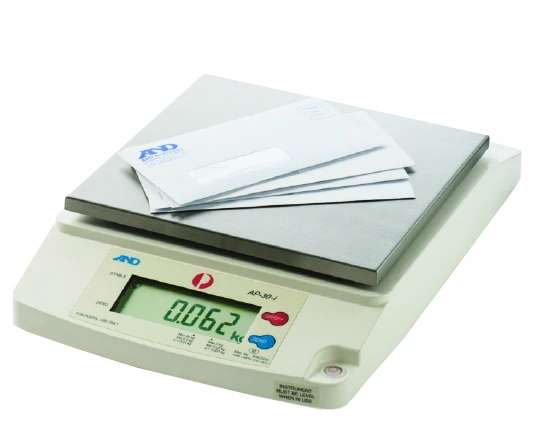

In today’s fast-paced logistics and eCommerce landscape, shipping costs can quickly eat into profit margins. Whether you run an online store, a warehouse, or a distribution center, even small inefficiencies in parcel handling can add up to significant losses over time. One often-overlooked yet powerful tool for controlling these expenses is the parcel weighing scale.
Accurate parcel weighing is no longer just about knowing how heavy a package is—it plays a crucial role in carrier pricing, compliance, operational efficiency, and cost control. This article explores how parcel weighing scales can save you money on shipping costs, and why they are an essential investment for any business that ships goods regularly.
Understanding the Role of Parcel Weighing Scales
Parcel weighing scales are designed to measure the weight of packages quickly and accurately before shipping. They are commonly used in:
- eCommerce fulfillment centers
- Courier and postal services
- Warehouses and distribution hubs
- Retail backrooms and dispatch areas
Modern parcel scales often integrate with shipping software, barcode scanners, and warehouse management systems (WMS), making them an integral part of the shipping workflow.
Avoiding Overpayment Due to Incorrect Weight Estimates
The Cost of Guesswork
One of the most common causes of excessive shipping costs is estimating parcel weight instead of measuring it accurately. Overestimating weight leads to higher shipping charges, especially when dealing with high shipping volumes.
For example, if a parcel actually weighs 2.2 kg but is declared as 3 kg, you may be charged at a higher rate bracket. Multiply this error across hundreds or thousands of shipments, and the financial impact becomes substantial.
How Parcel Scales Help
Parcel weighing scales provide:
- Precise, repeatable measurements
- Instant weight verification
- Reduced reliance on manual estimates
By ensuring every parcel is weighed correctly, businesses avoid paying more than necessary for shipping.
Preventing Carrier Surcharges and Adjustment Fees
Carrier Audits and Re-Weighing
Major carriers routinely re-weigh and re-measure parcels during transit. If the carrier’s measurement differs from what you declared, they may apply:
- Weight adjustment charges
- Administrative fees
- Penalty surcharges
These fees are often higher than standard shipping rates and may not be immediately visible until invoices are reviewed.
Ensuring Compliance with Parcel Scales
Using calibrated and reliable parcel weighing scales helps ensure that:
- Declared weights match carrier measurements
- Shipping labels are accurate
- Billing disputes are minimized
This accuracy protects your business from unexpected charges that can disrupt budgeting and cash flow.
Managing Dimensional Weight More Effectively
What Is Dimensional Weight?
Most carriers calculate shipping costs using dimensional (volumetric) weight, which considers both the size and weight of a parcel. The carrier charges whichever is higher—actual weight or dimensional weight.
The Role of Parcel Weighing Systems
Advanced parcel weighing systems often work alongside dimensioning tools to:
- Accurately determine billable weight
- Identify oversized packaging
- Highlight inefficient packing practices
This insight allows businesses to:
- Reduce box sizes
- Eliminate unnecessary void fill
- Optimize packaging for lower dimensional weight
The result is lower shipping costs per parcel.
Improving Packaging Decisions
Right-Sizing Packages
Without accurate weight data, businesses tend to overpack for safety, leading to heavier and larger parcels than necessary. This increases both actual and dimensional weight.
Parcel weighing scales help teams:
- Select the most appropriate packaging
- Avoid excessive padding
- Standardize box usage based on product weight
Over time, these improvements lead to measurable reductions in shipping expenses.
Streamlining Shipping Operations and Labor Costs
Faster Processing, Lower Labor Expenses
Manual weighing or repeated re-checking of parcels slows down shipping operations. Delays increase labor costs and reduce throughput, especially during peak seasons.
Parcel weighing scales offer:
- Fast, stable readings
- Digital displays for quick verification
- Integration with shipping software
This efficiency reduces handling time per parcel, allowing staff to process more shipments without additional labor.
Reducing Errors in Multi-Carrier Shipping
Comparing Carrier Rates Accurately
Businesses using multiple carriers need accurate weight data to compare shipping rates effectively. Inconsistent or estimated weights can lead to poor carrier selection and higher costs.
Parcel weighing scales ensure:
- Accurate data across all carrier platforms
- Reliable cost comparisons
- Smarter carrier selection based on true shipment weight
This data-driven approach helps businesses choose the most cost-effective shipping option every time.
Supporting Data-Driven Shipping Strategies
Shipping Cost Analysis
Accurate parcel weight data enables better analysis of shipping trends, including:
- Average shipping cost per order
- Cost differences by product category
- Impact of packaging changes
Parcel weighing scales provide consistent, reliable data that supports:
- Cost forecasting
- Contract negotiations with carriers
- Continuous improvement initiatives
Reducing Returns and Customer Complaints
Fewer Labeling and Billing Errors
Incorrect weights can lead to:
- Incorrect shipping labels
- Delayed deliveries
- Unexpected charges passed on to customers
By ensuring accurate weight measurements, parcel weighing scales help:
- Improve delivery accuracy
- Reduce billing disputes
- Enhance customer satisfaction
Satisfied customers are more likely to return, lowering customer acquisition costs over time.
Scalability and Long-Term Cost Savings
Preparing for Business Growth
As shipping volumes increase, small inefficiencies become larger financial burdens. Parcel weighing scales scale easily with your operation, supporting:
- Higher shipment volumes
- Automation and system integration
- Expansion into new markets
The initial investment in a quality parcel weighing scale often pays for itself quickly through reduced shipping costs and operational efficiency.
Choosing the Right Parcel Weighing Scale
To maximize cost savings, consider the following features:
- Appropriate capacity and readability
- Legal-for-trade certification (if required)
- Connectivity with shipping software
- Durability for warehouse environments
- Calibration and maintenance support
Selecting the right scale ensures accuracy, reliability, and long-term savings.
Conclusion
Shipping costs are one of the largest operational expenses for businesses that move goods regularly. Parcel weighing scales play a critical role in controlling these costs by ensuring accurate weight measurement, preventing carrier surcharges, optimizing packaging, and improving operational efficiency.
By eliminating guesswork, reducing errors, and enabling data-driven decisions, parcel weighing scales help businesses save money on every shipment. Over time, these incremental savings add up to significant financial benefits, making parcel weighing scales not just a piece of equipment—but a strategic investment in profitable shipping operations.




























Sign in to leave a comment.