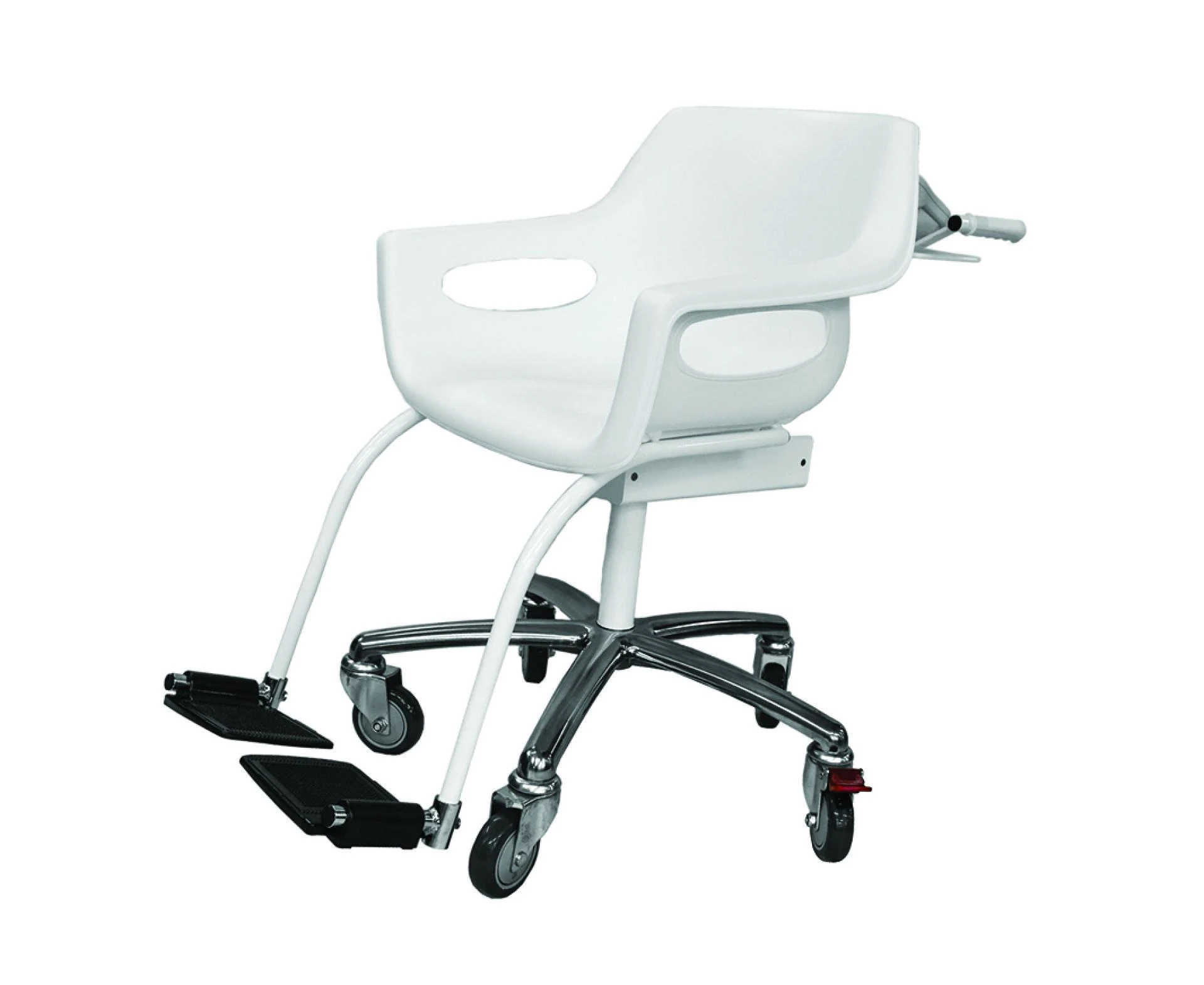

In hospitals, aged-care centres, rehabilitation clinics, and disability support environments, accurate patient weight is critical for diagnosis, medication dosing, treatment planning, and long-term monitoring. However, not all patients can comfortably or safely use standard standing scales. That’s where weighing chairs play an essential role. Designed specifically for individuals with limited mobility, medical conditions, or balance challenges, weighing chairs provide comfort, stability, accuracy, and accessibility—ensuring healthcare teams can gather vital information while supporting patient wellbeing.
1. Enhanced Patient Comfort
One of the biggest advantages of weighing chairs is the level of comfort they provide during the weighing process. Many patients—especially older adults, those recovering from surgery, and individuals with disabilities—cannot comfortably stand on a traditional scale. Weighing chairs solve this problem by offering:
Comfortable seating
Medical-grade weighing chairs often feature ergonomic seats with gentle contours that support posture and reduce pressure points. Patients can sit back and relax while being weighed, which lowers stress and improves cooperation.
Supportive armrests and backrests
Armrests assist patients in safely lowering themselves into the chair, while backrests help maintain stability. This support is especially beneficial for people with arthritis, balance issues, or chronic pain.
A calm, non-intimidating experience
For patients dealing with fear, confusion, or cognitive decline—such as those with dementia—the weighing chair feels familiar and reassuring, significantly reducing anxiety during medical checks.
2. Increased Safety for Patients and Staff
Safety is a top priority in healthcare settings. Traditional scales can be difficult for frail patients to step onto, increasing the risk of slips or falls. Weighing chairs greatly reduce these hazards by offering:
Stable seating
Because the patient remains seated throughout the process, there is far less risk of falling or injury.
Reduced handling strain for caregivers
Nurses and carers often have to physically assist patients onto platforms, which can lead to workplace injuries. Weighing chairs minimise the need for lifting, bending, or supporting, making the process safer for staff as well.
Lockable wheels
Most weighing chairs come with castor wheels and brakes, ensuring easy movement around the facility but complete stability during weighing.
By limiting manual handling, weighing chairs support safe working procedures and help hospitals comply with occupational health and safety guidelines.
3. Exceptional Measurement Accuracy
Accuracy is crucial when monitoring patient progress—particularly those with medical conditions requiring precise weight management, such as heart failure, diabetes, renal disease, and malnutrition. Weighing chairs deliver highly accurate weight readings for several reasons:
Stable seating eliminates motion error
Patients who struggle to stand still on a platform scale often cause fluctuations in readings. A seated position significantly improves stability and measurement repeatability.
High-quality load cells
Modern weighing chairs use advanced medical-grade load cells that provide consistent, reliable results—even with frequent use.
Tare and zero functions
Caregivers can quickly subtract the weight of cushions, blankets, or medical supports, ensuring a true reading of the patient’s body weight.
Integrated digital indicators
Large, easy-to-read digital displays reduce the chance of misinterpretation or human error.
These features ensure the weighing process is clinically accurate, supporting better diagnosis, medication dosing, and treatment decisions.
4. Improved Accessibility for Patients with Mobility Limitations
Accessibility is at the core of weighing chair design. Patients who use wheelchairs, walkers, or mobility aids often struggle with traditional scales. Weighing chairs make weight monitoring accessible to a wider range of individuals by offering:
Easy-to-enter design
Low seat height, sturdy armrests, and wide openings allow patients to transfer into the chair with minimal assistance.
Mobility aid compatibility
Patients can transition directly from wheelchairs or beds, reducing disruptions to their routine.
Inclusive accommodations
Individuals with neurological disorders, weak balance, or cognitive challenges can be weighed without fear or discomfort.
By making the weighing process inclusive, weighing chairs scales support equitable healthcare for all patients—regardless of physical ability.
5. Versatile and Patient-Centred Design
Modern weighing chairs are designed to suit a variety of patient needs and healthcare environments.
Portable and easy to manoeuvre
Lightweight frames and wheels allow staff to move the chair from room to room, reducing the need for patients to travel long distances.
Stable and durable construction
High-load capacities and medical-grade materials ensure the chair can support patients of varying body types and withstand daily use.
Compact storage
Some models feature foldable footrests and slim designs, making them easy to store in busy clinical environments.
Multi-functional
Beyond weighing, many chairs double as transport chairs for short-distance movement within the facility, improving workflow efficiency.
6. Better Workflow Efficiency in Clinical Environments
Hospitals and care facilities rely on efficient workflows to provide timely patient care. Weighing chairs contribute to smoother operations in several ways:
Reduced weighing time
With quicker transfers and more stable readings, the overall procedure becomes faster and simpler for staff.
Less manual handling
Since patients do not need to stand, reposition repeatedly, or balance, nurses can complete the task with minimal assistance.
Easy cleaning and maintenance
Smooth surfaces and medical-compliant materials make cleaning quick and compliant with infection control standards.
This efficiency helps healthcare teams complete assessments faster without compromising patient care.
7. Better Monitoring for Chronic or Long-Term Patients
Many individuals in hospitals and aged-care homes require regular weight checks to monitor ongoing health conditions. Weighing chairs offer:
- Consistent posture, which improves comparability of readings over time
- Comfort, which encourages cooperation and reduces stress
- Accuracy, which is essential for long-term clinical management
Conditions like heart disease, kidney failure, malnutrition, and cancer treatment all require precise and frequent weight tracking. Weighing chairs make this process smoother for both patients and professionals.
Conclusion: A Smart Investment for Safe and Accurate Patient Care
Weighing chairs have become indispensable in hospitals and care facilities because they combine comfort, safety, accuracy, and accessibility. They support vulnerable patients who cannot use standard standing scales and help healthcare workers perform their tasks effectively and safely. With ergonomic design, advanced weighing technology, and versatile mobility features, these chairs provide a patient-friendly solution that enhances clinical accuracy and elevates the standard of care.
Whether in aged-care centres, rehabilitation clinics, medical wards, or disability support environments, weighing chairs ensure that every patient—regardless of mobility—can be weighed with dignity, ease, and precision. Investing in high-quality weighing chairs ultimately leads to better outcomes for patients and smoother workflows for staff, making them an essential part of modern healthcare equipment.


























Sign in to leave a comment.