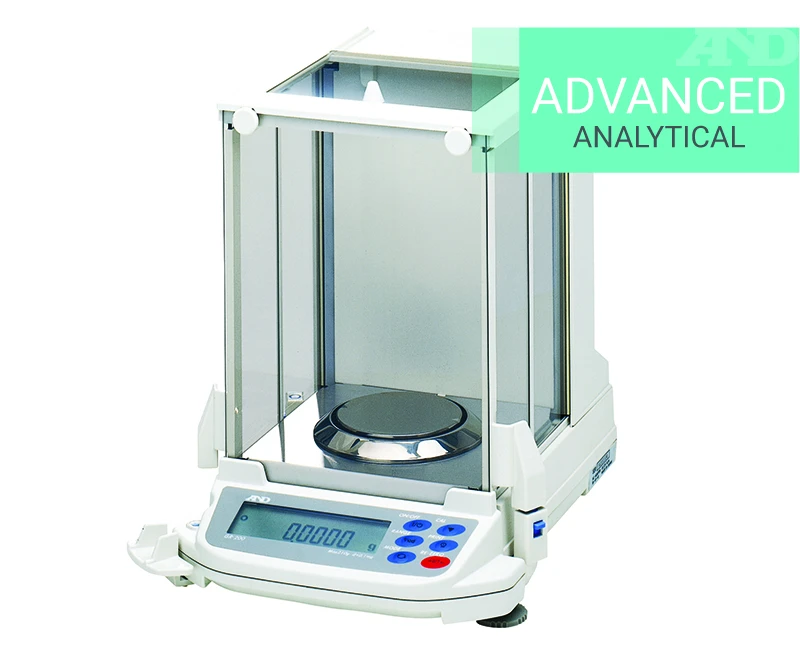

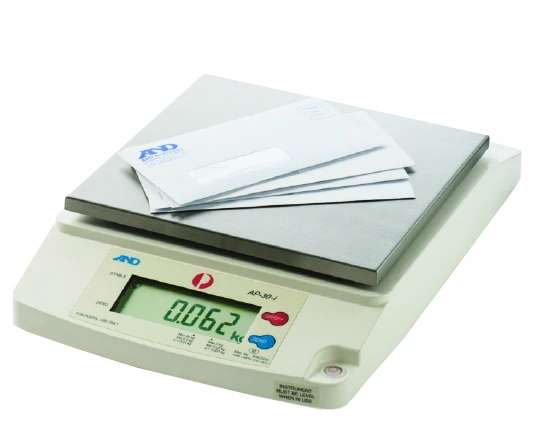
In modern laboratories, the humble balance has shed its old mechanical skin and stepped into a digital, networked future. Electronic balances—ranging from rugged top-loading models to ultra-sensitive analytical and microbalances—are doing more than measuring mass. They’re improving accuracy, speeding workflows, ensuring compliance, and feeding data directly into digital systems. For researchers, QA teams, and lab managers, that shift is changing how experiments are designed, how results are trusted, and how labs operate day-to-day.
Precision + Predictability: Accuracy you can rely on
At the core of every lab process is reproducibility. Electronic balances deliver that in two key ways: higher resolution and environmental compensation. Modern analytical balances can resolve to 0.1 mg or better, while microbalances measure micrograms. Built-in features—draft shields, automatic internal calibration, vibration-damping feet, and ambient temperature compensation—reduce noise and error from the environment. That means the number you see is a truer representation of the sample’s mass, not an artefact of breeze, thermal drift, or operator inconsistency.
The practical benefit is huge: fewer repeat measurements, less wasted sample and reagents, and greater confidence when small mass differences determine experimental outcomes or batch acceptance.
Speed and workflow efficiency
Electronic balances speed up routine tasks. Fast stabilization algorithms and user-friendly interfaces cut measurement times; automatic tare functions and programmable processes remove repetitive button-pressing. Integrated features like built-in pipette check routines or density determination tools mean balances can do more than weigh—they can be part of multi-step testing without switching instruments.
When balances communicate with printers, PCs, or lab systems, manual transcription disappears. That reduces transcription errors and frees skilled technicians for higher-value work. In manufacturing or QC labs, faster, reliable weighing translates directly into higher throughput and lower per-sample costs.
Connected labs: data integrity and traceability
One of the biggest advances is connectivity. Today’s electronic balances commonly support USB, RS-232, Bluetooth, Wi-Fi, and industrial field protocols. They can export raw data, audit trails, and method metadata straight to LIMS (Laboratory Information Management Systems), ELNs (Electronic Lab Notebooks), or MES platforms. This connectivity enables:
- Traceability: Every result can be tied to who weighed it, when it was recorded, and which method or calibration was active.
- Compliance: Digital records, timestamping, and secure exports simplify adherence to GLP, GMP, ISO 17025, and regulatory audits.
- Analysis-ready data: Seamless transfer into analytics pipelines avoids re-keying and makes statistical process control and trend analysis straightforward.
For regulated industries—pharma, food, and medical devices—this reduces audit risk and shortens release cycles.
Smarter balances: automation, built-in intelligence, and IoT
Manufacturers have embedded more intelligence into balances: programmable methods, user authentication, built-in SOP prompts, and self-check diagnostics. In advanced set-ups, balances are part of automated workflows: robotic arms present vials, barcodes are scanned, the balance weighs and signals the next process step. When balances are connected to the Internet of Things (IoT), labs gain real-time status monitoring, predictive maintenance alerts, and fleet management dashboards—helpful when dozens of instruments are spread across multiple rooms or sites.
This trend toward automation not only improves consistency but also reduces human exposure to hazardous materials by removing manual handling.
Compliance, audits, and quality assurance
Paper logs and manual entries are a compliance weak point. Electronic balances with secure digital logs strengthen QA by providing immutable records: user IDs, calibration events, environmental conditions, and any overrides. Many balances now support password-protected user levels and electronic signatures, which are essential for regulated labs.
Routine calibration (internal or external) and verification routines built into the balance help labs stay compliant without interrupting operations. Automated reminders and downloadable calibration certificates make it easier for quality managers to demonstrate due diligence to auditors.
Sustainability and lifecycle costs
Although electronic balances have a higher up-front cost than simple mechanical scales, their lifecycle advantages are compelling. Reduced rework, fewer discarded samples, lower reagent consumption, and faster throughput lower operational costs. Modern designs also focus on energy efficiency and long component life, and remote diagnostics can reduce service visits.
Choosing equipment that’s upgradeable—firmware updates, modular communication options—future-proofs the investment and delays obsolescence.
Where electronic balances make the biggest impact
- Pharmaceutical & biotech: precise dosing, potency testing, and formulation require high-resolution balances with full traceability.
- Analytical chemistry & research: microgram-level accuracy and environmental stability enable sensitive measurements.
- Quality control & manufacturing: speed, robustness, and integration with MES/LIMS are key.
- Education & teaching labs: intuitive interfaces and automated routines reduce training time while teaching good weighing practices.
Picking the right balance: practical considerations
Selecting the right instrument still depends on fundamentals:
- Capacity vs. readability: Higher capacity often means lower readability. Match the balance to the smallest mass increment you must detect.
- Environment: Draft, vibration, and temperature swings demand features like draft shields and anti-vibration mounts.
- Connectivity needs: If you need LIMS integration or networked data capture, confirm available interfaces and protocols.
- Compliance features: Look for audit trails, user access control, and electronic signature options if you operate under strict regulations.
- Service & calibration: Consider the availability of local service, the ease of routine verification, and on-site calibration options.
Care and calibration: keep accuracy real
Even the smartest balances need routine care. Establishing SOPs for daily checks (using certified weights), scheduled professional calibrations, routine cleaning, and training for operators keeps performance consistent. Environmental monitoring—tracking temperature and humidity in weighing rooms—helps diagnose drift and decide whether active climate control is needed.
Looking forward: trends to watch
Expect balances to become even more integrated and autonomous: tighter LIMS/ERP integration, enhanced self-calibration routines using embedded reference weights, and expanded AI-driven diagnostics that predict when an instrument will need service. As labs continue to digitalise, balances will increasingly function as data nodes—not just measuring devices.
Conclusion
Electronic balances have evolved from simple measurement tools into intelligent instruments that improve accuracy, efficiency, traceability, and compliance. For labs striving to be faster, greener, and more reliable, investing in modern electronic balances is not just an upgrade—it’s a strategic move that underpins better science and better products. Whether you’re equipping a small research bench or outfitting a multi-site QC operation, the right electronic balance will pay back in data integrity, time saved, and peace of mind.

























Sign in to leave a comment.