

In the pharmaceutical industry, precision isn’t just a priority—it’s a regulatory requirement. Accurate measurements directly impact drug efficacy, safety, and quality. From the production of active pharmaceutical ingredients (APIs) to the final packaging of tablets and liquids, every gram counts. One of the most critical tools for maintaining accuracy is the weighing scale. However, even the most sophisticated scales can drift over time, leading to errors that can compromise both compliance and patient safety. This is where scale calibration becomes essential. By ensuring that weighing instruments deliver reliable and accurate measurements, pharmaceutical manufacturers can meet regulatory standards, safeguard product quality, and maintain operational efficiency.
Understanding Scale Calibration
Scale calibration is the process of verifying and adjusting a weighing instrument to ensure its readings are accurate within a defined tolerance. This involves comparing the scale’s measurements against a known standard and making adjustments if discrepancies are found. In pharmaceutical manufacturing, calibration isn’t just a routine procedure; it’s a regulatory obligation enforced by agencies such as the U.S. Food and Drug Administration (FDA), European Medicines Agency (EMA), and other national authorities.
Calibration can be performed in-house by trained personnel or outsourced to accredited service providers. The process typically involves:
- Initial Verification: Assessing the current accuracy of the scale using certified reference weights.
- Adjustment: Making mechanical or electronic adjustments if deviations are detected.
- Documentation: Recording calibration results, adjustments, and certification to ensure traceability.
- Routine Recalibration: Performing scheduled checks to maintain accuracy over time.
Proper calibration ensures that every measurement is consistent, traceable, and compliant with Good Manufacturing Practices (GMP).
Why Scale Calibration is Critical in Pharmaceuticals
Pharmaceutical manufacturing is a highly regulated environment where errors can have severe consequences. Scale calibration plays a pivotal role in:
- Maintaining Product Quality: Accurate weighing ensures that formulations meet exact specifications. For example, incorrect dosing of active ingredients can lead to ineffective drugs or dangerous overdoses.
- Regulatory Compliance: Regulatory bodies require that all critical instruments, including scales, be calibrated and documented regularly. Non-compliance can lead to fines, recalls, or even facility shutdowns.
- Minimizing Waste: Incorrect measurements can result in rejected batches, increased production costs, and wasted raw materials. Calibrated scales help optimize material usage and reduce waste.
- Ensuring Patient Safety: Most importantly, precise measurements directly affect drug safety. Even minor deviations in ingredient quantities can compromise the therapeutic effect or introduce harmful side effects.
In short, scale calibration is not just about compliance—it is a core component of patient safety and operational efficiency.
Types of Scales Used in Pharmaceutical Manufacturing
Pharmaceutical production employs a variety of weighing scales, each requiring specific calibration methods. Common types include:
- Analytical Balances: High-precision instruments used in laboratories for weighing small quantities of chemicals or powders, often with accuracy to 0.1 mg or better.
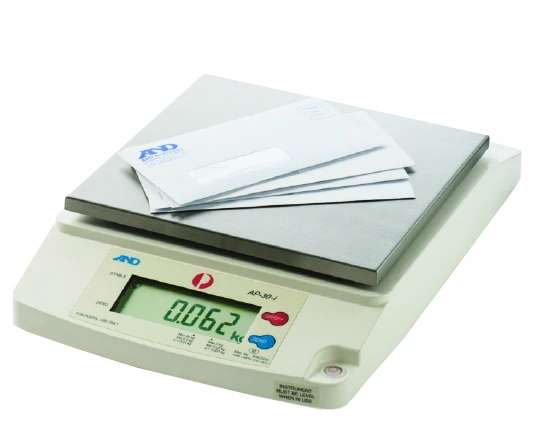
- Precision Balances: Slightly less sensitive than analytical balances, used for larger quantities of raw materials and intermediates.
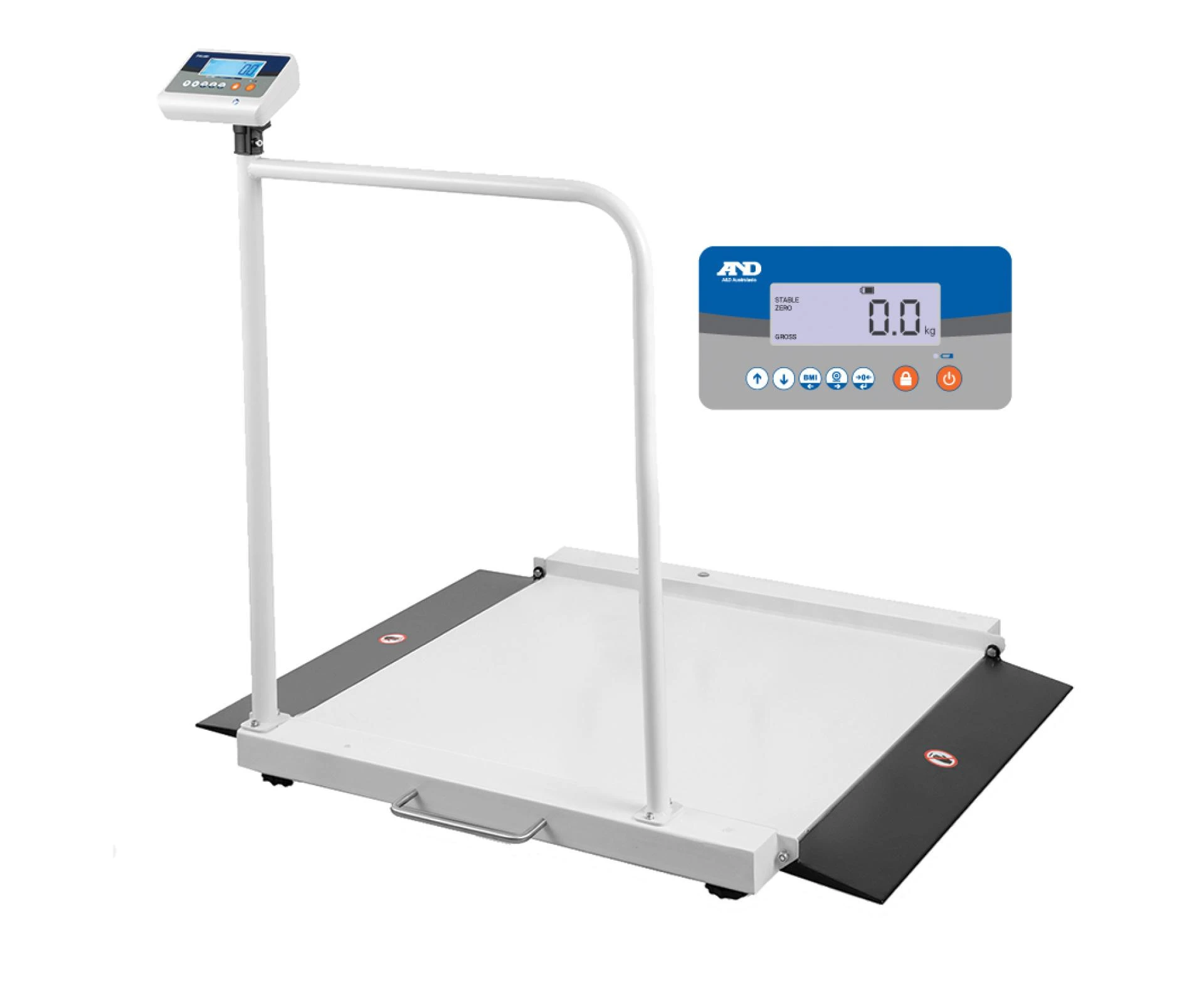
- Industrial Platform Scales: Used for weighing bulk ingredients, drums, or pallets, these scales require robust calibration protocols to handle high-capacity loads.
- Counting Scales: Often used in packaging lines to ensure the correct number of tablets or capsules per container.
Each scale type has its own calibration requirements, tolerances, and documentation needs. Adopting a structured calibration program ensures that all scales, regardless of type, consistently deliver accurate readings.
Steps to Effective Scale Calibration
Implementing an effective scale calibration program requires more than just measuring and adjusting. It involves a comprehensive approach that ensures compliance and reliability:
- Establish a Calibration Schedule: Determine the frequency of calibration based on regulatory requirements, scale usage, and criticality of measurement. Highly sensitive or frequently used scales may require more frequent checks.
- Use Certified Reference Weights: Only use weights that are traceable to national or international standards. These weights provide the benchmark for accurate calibration.
- Document Every Calibration: Maintain detailed records of each calibration event, including date, person performing the calibration, reference weights used, and any adjustments made. These records are essential for audits and regulatory inspections.
- Train Personnel: Ensure that staff responsible for calibration are trained in proper procedures, error detection, and record-keeping. Knowledgeable personnel reduce the risk of mistakes that could compromise compliance.
- Audit and Review: Periodically review calibration records, identify trends, and take corrective actions if discrepancies or frequent adjustments are observed.
By adhering to these steps, pharmaceutical manufacturers can maintain a culture of accuracy and compliance.
Regulatory Standards and Guidelines
Several international standards govern scale calibration in the pharmaceutical industry:
- Good Manufacturing Practices (GMP): Enforced by the FDA and EMA, GMP guidelines require that weighing instruments be calibrated, maintained, and verified regularly.
- ISO/IEC 17025: Provides requirements for calibration and testing laboratories, including the traceability of measurement standards.
- Pharmacopoeias: The USP (United States Pharmacopeia), BP (British Pharmacopeia), and EP (European Pharmacopeia) provide detailed guidance on the accuracy and calibration of weighing instruments used in drug production.
Compliance with these standards is mandatory, and failure to adhere can result in regulatory penalties and loss of product integrity.
Benefits of a Robust Calibration Program
A well-implemented scale calibration program provides numerous advantages beyond compliance:
- Enhanced Accuracy and Precision: Ensures all measurements are within acceptable tolerance levels, improving product consistency.
- Reduced Risk of Product Recalls: Prevents dosage errors that could lead to costly recalls or safety issues.
- Operational Efficiency: Minimizes downtime and waste by reducing measurement errors and the need for rework.
- Audit Readiness: Well-documented calibration processes demonstrate compliance during regulatory inspections.
Ultimately, calibration is an investment in reliability, efficiency, and brand reputation.
Technological Advances in Scale Calibration
Modern pharmaceutical manufacturers are leveraging technology to make scale calibration more efficient and accurate:
- Automated Calibration Systems: Some scales now include self-calibration features using built-in reference weights or automated routines, reducing human error.
- Digital Record-Keeping: Calibration data can be automatically logged, analyzed, and archived for regulatory compliance and trend monitoring.
- Integration with Manufacturing Execution Systems (MES): Linking calibration data to MES allows real-time monitoring of scale performance and predictive maintenance, further enhancing operational efficiency.
These innovations reduce the burden of manual checks while ensuring continuous compliance and accuracy.
Conclusion
In pharmaceutical manufacturing, scale calibration is far more than a regulatory formality—it is a cornerstone of quality assurance, patient safety, and operational excellence. Accurate weighing ensures that each batch meets exact specifications, regulatory requirements are met, and the final product delivers its intended therapeutic effect. By establishing rigorous calibration protocols, using certified reference weights, training personnel, and leveraging modern technology, manufacturers can maintain compliance while optimizing efficiency.
As the pharmaceutical industry continues to evolve with stricter regulations and innovative formulations, the importance of reliable scale calibration will only grow. By prioritizing calibration, companies not only protect their bottom line but also uphold the trust of patients and regulators alike. In a field where precision is paramount, calibrated scales are not just instruments—they are essential partners in delivering safe, effective, and high-quality medications.
























Sign in to leave a comment.