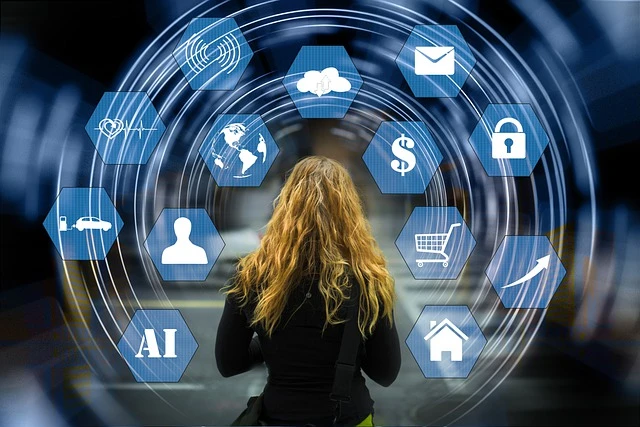

IoT is now fairly mature technology. What once was the cutting edge is now settling into cycles of iteration and improvement, and this is where the real value of the technology will start to be delivered.
There are several key trends that will inform the ongoing development of IoT into the immediate future, and continue to build on the value that the technology is already delivering to businesses and consumers.
1. 5G and low-latency will improve IoT functionality
5G is currently in its infancy and being rolled out in trial and limited areas. As its use grows, however, IoT applications will start to be built to take advantage of what 5G enables. Most significantly is that 5G offers near-zero latency, meaning that IoT devices will finally be able to operate in true real time.
What this means is that edge deployments where fine control and instant response is required will become viable. Driverless vehicles will be able to respond to traffic conditions instantly, and precision robots can be controlled remotely with absolutely no “input lag” resulting in millimetres of excess movement
5G also has a lower drain on battery life than other forms of connectivity, meaning that IoT devices will be able to run for longer, helping to unlock 24/7 functionality.
2. Deeper applications of IoT in the home
More and more homes are filled with the kinds of smart hubs that Google, Amazon, and Apple produce. They promise a lot, but as home automation devices most people simply use them to turn TVs and light switches on. Currently, they’re an inverse iceberg – there’s a lot more going on at the surface than underneath in the water.
This will start to change in the years ahead as more applications are built around automation. Baths will automatically fill with water at the right time, the house will be kept at the right temperature, and the coffee will brew itself.
One of the really big areas for automation will be in home security, with locks, doorbells, and outdoor cameras all seamlessly monitoring the environment, sending alerts when flags are raised, and even contacting the security company and/or the police on behalf of the user.
3. IoT security itself will improve, resulting in greater trust and wider applications
Currently, IoT security is notoriously weak. Hackers have a relatively easy “in” to homes and businesses via the IoT connected devices and can take control of those devices. Which is scary, when you consider that IoT powers everything from security systems to driverless cars. The security risk is one of the primary reasons that many remain cautious about adopting IoT for anything more than trivial applications.
This is going to change as the industry works hard to improve security solutions, and third-party security vendors accelerate their focus on IoT applications. As certainty in the security of IoT rises, people will use it for a broader range of applications.
The best comparison for this is the Internet. For many years people were cautious about sharing personal details, let alone their credit cards, online, precisely because of the security risk. As security standards improved people accepted that the risk was small and manageable, and now most people shop online and maintain social media accounts.
4. Smart cities move from concept to reality
For several years now, city planning and management has been talking up the potential for smart cities to revolutionise the way that cities run, so that they’re more efficient and systems are better connected. Sensors would collect data on everything from the movement of traffic to the gathering of crowds and the use of power on the grid and would use that information to make real-time decisions that improve the experience that citizens have of their city.
For now, smart cities are still in their early stages, with pilot and limited programs being deployed, rather than the whole-of-city interconnected network of sensors and controllers that is required for the full smart city vision. However, this is changing. Part of it is the better wireless networks delivered by 5G (and it’s not surprising that the emerging smart cities are the ones that are furthest along with 5G adoption). It’s also in recognition that smart cities are the best way to drive sustainability across the city and deliver a healthier environment, which is an increasing priority within urban planning.
Essentially IoT will, over the next few years, move from the early adopter position that it currently occupies to become mainstream. For the technology, this will be huge, as mainstream adoption will bring with it an explosion in the number of applications of IoT. Currently IoT has its strongest use cases in smart cities, in-home use, manufacturing, logistics and medicine, but over the next few years it will play an increasingly prominent role in all verticals and industries, and truly become a technology we interact with daily.



























Sign in to leave a comment.