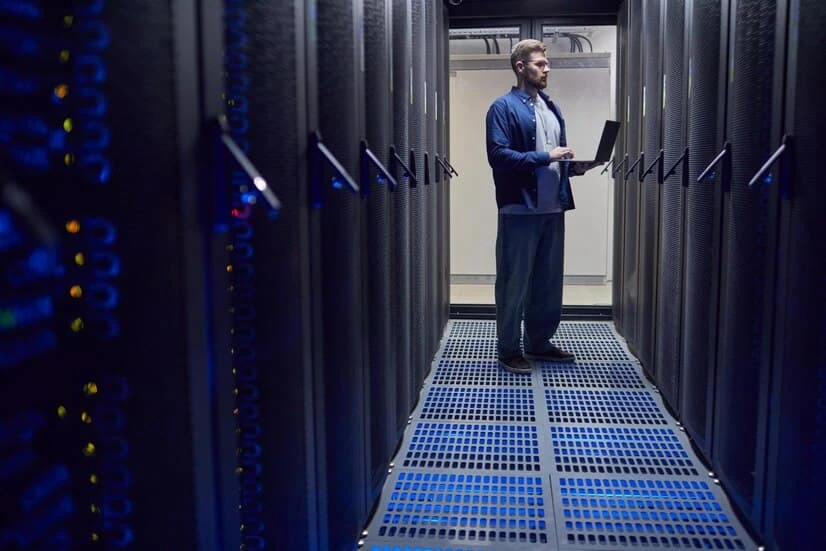

In today’s technologically driven landscape, businesses of all sizes are increasingly turning to data center colocation companies to meet their growing IT infrastructure needs. These providers offer a secure environment for organizations to house their servers and networking equipment, thereby enabling them to focus on their core business operations without the burden of managing a data center in-house. Understanding what to expect from leading data center colocation companies is crucial for businesses looking to make informed decisions about their IT strategies. This article explores the essential features and services offered by these providers, outlining the benefits they deliver to their clients.
Understanding Data Center Colocation
Before delving into the specifics of what leading data center colocation companies provide, it is essential to grasp the concept of colocation itself. Colocation refers to the practice of housing a customer's hardware and servers in a third-party data center. Unlike traditional data centers owned and operated by a single organization, colocation facilities offer shared resources, including power, cooling, internet connectivity, and physical security.
This model allows businesses to leverage the infrastructure of the colocation provider, which often includes advanced technology and redundant systems, ensuring that clients’ operations remain uninterrupted. By outsourcing their data management needs to a colocation facility, businesses can avoid capital expenditures associated with building and maintaining their own data centers, making colocation an attractive option for many organizations.
Key Features of Leading Data Center Colocation Companies
When evaluating data center colocation companies, several key features and services distinguish the leading providers from the rest. Understanding these aspects can help organizations choose a partner that aligns with their specific needs and goals.
1. Robust Infrastructure
One of the primary advantages of partnering with a leading colocation company is access to robust infrastructure. This includes high-quality power systems, cooling solutions, and advanced networking capabilities.
Power Redundancy: Leading data center colocation companies typically offer redundant power systems, including uninterruptible power supplies (UPS) and backup generators. This ensures that clients' equipment remains online even during power outages, reducing the risk of downtime.
Cooling Solutions: Effective cooling is essential for maintaining optimal operating temperatures for servers. Leading providers implement advanced cooling technologies, such as hot aisle/cold aisle containment, to efficiently manage airflow and prevent overheating.
Network Connectivity: A strong network backbone is crucial for seamless data transmission. Top-tier colocation companies offer multiple connectivity options, including direct connections to major internet service providers and low-latency connections to cloud services. This ensures that clients can maintain fast and reliable access to their data.
2. Advanced Security Measures
Security is a paramount concern for organizations that house sensitive data in colocation facilities. Leading data center colocation companies implement comprehensive security measures to protect clients’ assets from both physical and cyber threats.
Physical Security: This includes 24/7 surveillance, access control systems, and security personnel monitoring the facility. Only authorized personnel should have access to sensitive areas, ensuring that client equipment is protected from theft or tampering.
Cybersecurity: With the increasing threat of cyber-attacks, top data center providers invest in advanced cybersecurity measures, including firewalls, intrusion detection systems, and encryption protocols. Ensuring that data is protected against unauthorized access is critical for maintaining client trust and compliance with industry regulations.
3. Scalability and Flexibility
As businesses grow and their IT needs evolve, having a scalable solution is essential. Leading colocation companies provide the flexibility to expand resources as required without the need for significant capital investment.
Flexible Space Options: Clients can choose from various space options, including single racks, multiple racks, or even entire cages, depending on their specific requirements. This flexibility allows businesses to scale their infrastructure as they grow, accommodating increased data storage or processing needs.
Resource Scaling: Many colocation providers offer additional services such as managed hosting, cloud services, and backup solutions. This allows clients to easily scale their resources up or down based on changing business demands, enhancing overall operational efficiency.
4. Disaster Recovery and Business Continuity
Business continuity planning is crucial for organizations that rely on data for their operations. Leading data center colocation companies provide comprehensive disaster recovery solutions to ensure that clients can quickly recover from unexpected disruptions.
Data Backup: Regular data backups are essential for protecting against data loss. Top providers offer automated backup services that regularly save copies of clients’ critical data, allowing for swift recovery in the event of an incident.
Disaster Recovery Services: Many colocation companies offer disaster recovery as a service (DRaaS), enabling clients to replicate their systems and data to an off-site location. This ensures that businesses can quickly resume operations even in the aftermath of a significant disruption.
5. Expert Support and Managed Services
A leading data center colocation company distinguishes itself through exceptional customer support and a wide range of managed services. This support extends beyond the initial setup, providing ongoing assistance to clients as needed.
Technical Support: Leading providers typically have dedicated support teams available 24/7 to assist clients with any technical issues that may arise. This ensures that clients can quickly resolve problems and minimize the impact on their operations.
Managed Services: In addition to basic colocation services, many providers offer managed services such as server management, network monitoring, and security management. By outsourcing these responsibilities, businesses can free up their internal resources to focus on core functions, enhancing overall operational efficiency.
Compliance and Regulatory Considerations
In an age of heightened scrutiny regarding data protection and privacy, compliance is a critical consideration for organizations that utilize colocation services. Leading data center colocation companies adhere to strict compliance standards, such as HIPAA, PCI DSS, ISO 27001, and GDPR, depending on the industry.
By choosing a colocation provider that demonstrates a commitment to compliance, businesses can mitigate risks associated with regulatory breaches. This not only protects their reputation but also ensures that they are operating within legal parameters, which is vital in today’s data-driven economy.
Conclusion
In summary, partnering with leading data center colocation companies provides businesses with a host of benefits that enhance operational efficiency, security, and scalability. From robust infrastructure and advanced security measures to flexible service options and comprehensive support, these providers are well-equipped to meet the diverse needs of modern organizations. By understanding what to expect from colocation companies, businesses can make informed decisions that align with their strategic goals.
For organizations looking to optimize their IT infrastructure and enhance their operational capabilities, 360TCS offers a range of tailored solutions designed to meet the unique needs of every business. Discover how 360TCS can help you achieve your operational goals—reach out today and take the first step toward a more efficient and resilient future.





























Sign in to leave a comment.