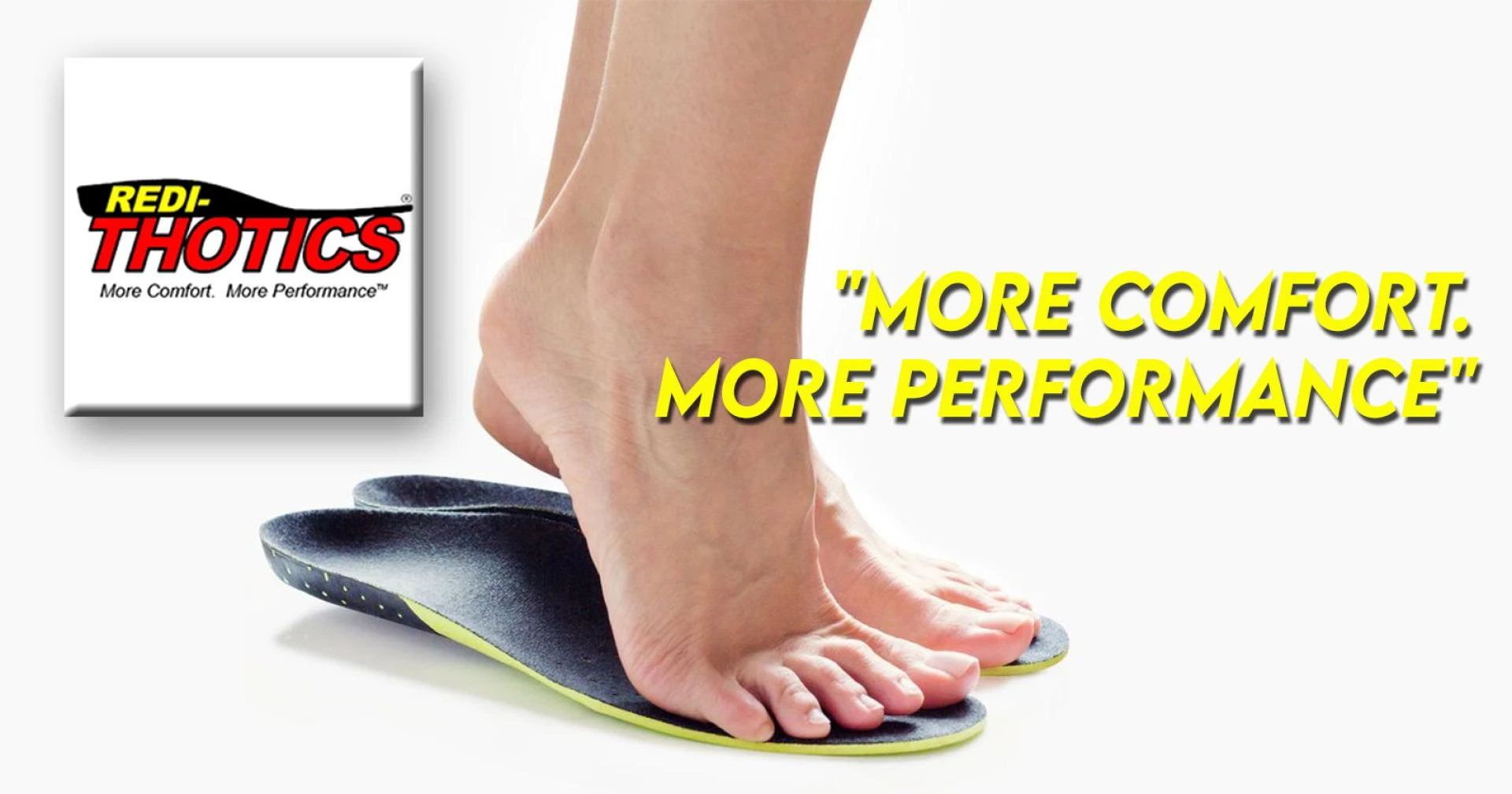
If you’ve been living with flat feet, chances are you’ve experienced more than your fair share of foot pain, fatigue, and discomfort. What many people don’t realize is that flat feet can lead to a ripple effect of issues—not just in the feet, but also in the knees, hips, and even the lower back. The good news? Relief could be as simple as slipping a pair of flat feet support insoles into your shoes.
In this article, we’ll explore what happens when you make the switch to high-quality insoles, how they work to support your foot structure, and what you should expect during the adjustment period. If you're considering orthotic insoles for the first time—or looking to upgrade to the best insoles for flat feet—this is the guide you need.
Understanding the Mechanics of Flat Feet
Flat feet, also known as fallen arches, occur when the arches of the foot collapse, causing the sole to make full contact with the ground. While some individuals with flat feet experience no symptoms, many suffer from:
- Achy or tired feet after standing or walking
- Pain in the arches and heels
- Swelling along the inside of the ankle
- Knee, hip, or back misalignment due to overpronation
- Increased risk of plantar fasciitis
Over time, flat feet can lead to long-term biomechanical issues that affect the entire musculoskeletal system. That's why investing in supportive insoles for flat feet is not just about comfort—it's about preventing further complications.
How Flat Feet Support Insoles Work
Unlike generic shoe inserts that simply add cushioning, true flat foot insoles are orthotic devices designed to change the way your foot interacts with the ground. They work by:
- Rebuilding the Arch Structure: They offer the support your foot naturally lacks, lifting the arch and helping distribute weight more evenly.
- Controlling Overpronation: Most flat-footed individuals roll their feet inward when walking or running. Proper insoles help correct this by stabilizing your gait.
- Cushioning High-Impact Areas: By absorbing shock, insoles protect your heel and ball of foot from wear and tear.
- Aligning Your Body: Insoles can help correct your posture and alignment, reducing stress on your ankles, knees, hips, and back.
When you’re ready to experience this kind of relief, browse the expertly designed options at Redi-Thotics, where orthotic support meets all-day comfort.
What to Expect During the Adjustment Period
When you first start wearing flat feet support insoles, it’s important to know that your body may need time to adapt. After all, your muscles, joints, and ligaments have been compensating for improper foot alignment—sometimes for years.
Here’s what to expect in the first few weeks:
1. Initial Discomfort is Normal
Your feet are adjusting to a new shape and alignment. You may feel pressure in new areas or mild soreness in your arches, heels, or calves.
2. Gradual Break-In
Start by wearing your new insoles for a couple of hours each day, gradually increasing usage as your body adapts. Within a week or two, they should feel natural.
3. Improved Posture and Reduced Fatigue
As your gait corrects, you may notice less fatigue after long periods on your feet. Many users report better posture and reduced back pain.
4. Better Mobility
Walking, exercising, or even standing becomes easier once your body adjusts to the improved support.
The key is to stay consistent—and to choose quality products that provide the proper structure, like the ones available at Redi-Thotics.
Flat Feet and Plantar Fasciitis: A Common Pair
If you have flat feet, you're at higher risk for developing plantar fasciitis, which is inflammation of the plantar fascia ligament. This condition causes stabbing heel pain, particularly in the mornings or after long periods of inactivity.
Luckily, many plantar fasciitis insoles are designed to also address flat feet. By supporting the arch and cushioning the heel, they reduce tension on the plantar fascia and speed up recovery. This dual support is critical if you experience both conditions—which many people do.
Redi-Thotics offers several insole options that combine arch support, heel cushioning, and motion control for superior comfort and pain relief. Visit their Shop All page to find the model that best fits your needs.
What Sets Redi-Thotics Apart?
There are countless insole options out there, from pharmacy aisle inserts to expensive custom orthotics. Redi-Thotics bridges the gap between quality and convenience by offering:
- Medical-Grade Support without the high price tag
- Pre-Made Orthotics that don’t require molding or doctor visits
- A Range of Designs to suit athletic, dress, or casual footwear
- Made in the USA quality assurance
- Clinical Backing for maximum biomechanical benefit
Whether you're looking for everyday shoe insoles for plantar fasciitis or something specific to flat feet, you’ll find a solution at Redi-Thotics.
Real User Feedback: Relief You Can Trust
Thousands of users have experienced the transformation that comes with switching to orthotics. Here’s what some of them have to say:
“After years of trying over-the-counter insoles, I finally found the best insoles for flat feet at Redi-Thotics. I’m on my feet all day and finally pain-free.”
“These insoles gave me my life back—no more heel pain when I get out of bed. Highly recommend for anyone with plantar fasciitis.”
“I didn’t even realize my posture was off until I started using Redi-Thotics. Now I feel more balanced and energetic.”
If you have questions about which product is right for you, visit the Contact Page and their team will gladly help.
When Should You Replace Your Insoles?
Just like shoes, insoles wear out over time. Even the highest-quality orthotics need to be replaced to maintain optimal support. Here are signs it’s time for a new pair:
- Visible flattening or compressed arch support
- Cracked or worn-out material
- New foot, knee, or back pain after wearing them for a while
- Diminished shock absorption
Redi-Thotics recommends evaluating your insoles every 6–9 months, especially if you’re highly active.
Final Thoughts: Give Your Feet What They Deserve
Flat feet don’t have to hold you back. With the right support, you can walk, work, exercise, and live with greater ease and comfort. High-quality flat feet support insoles realign your stride, protect your joints, and help prevent painful complications like plantar fasciitis.
When you’re ready to take that step, trust Redi-Thotics to provide expertly designed insoles that deliver real results. You can shop their full range on the Shop All page or contact their team for guidance.
Your feet carry you through life—it’s time to return the favor.




























Sign in to leave a comment.