

Plantar fasciitis is one of the most common causes of heel pain, affecting people of all ages and activity levels. When conservative treatments such as rest, stretching, and supportive footwear are not enough, a healthcare provider may recommend a plantar fasciitis boot to help relieve pain and promote healing. Understanding what to expect when using this device can help individuals feel more confident and prepared during their recovery journey.
Understanding Plantar Fasciitis
Before exploring what to expect from a boot, it is important to understand the condition it is designed to treat.
What Is Plantar Fasciitis
Plantar fasciitis occurs when the plantar fascia, a thick band of tissue that runs along the bottom of the foot from the heel to the toes, becomes inflamed or irritated. This tissue supports the arch and absorbs shock during walking and standing. Repetitive stress, improper footwear, or prolonged standing can cause small tears in the fascia, leading to pain and stiffness.
Common Symptoms
Individuals with plantar fasciitis often experience:
- Sharp heel pain, especially with the first steps in the morning
- Increased discomfort after long periods of sitting
- Pain that worsens after exercise rather than during it
- Tenderness along the bottom of the heel
When these symptoms persist despite rest and basic treatment, a boot may be introduced as part of a more structured recovery plan.
What Is a Plantar Fasciitis Boot
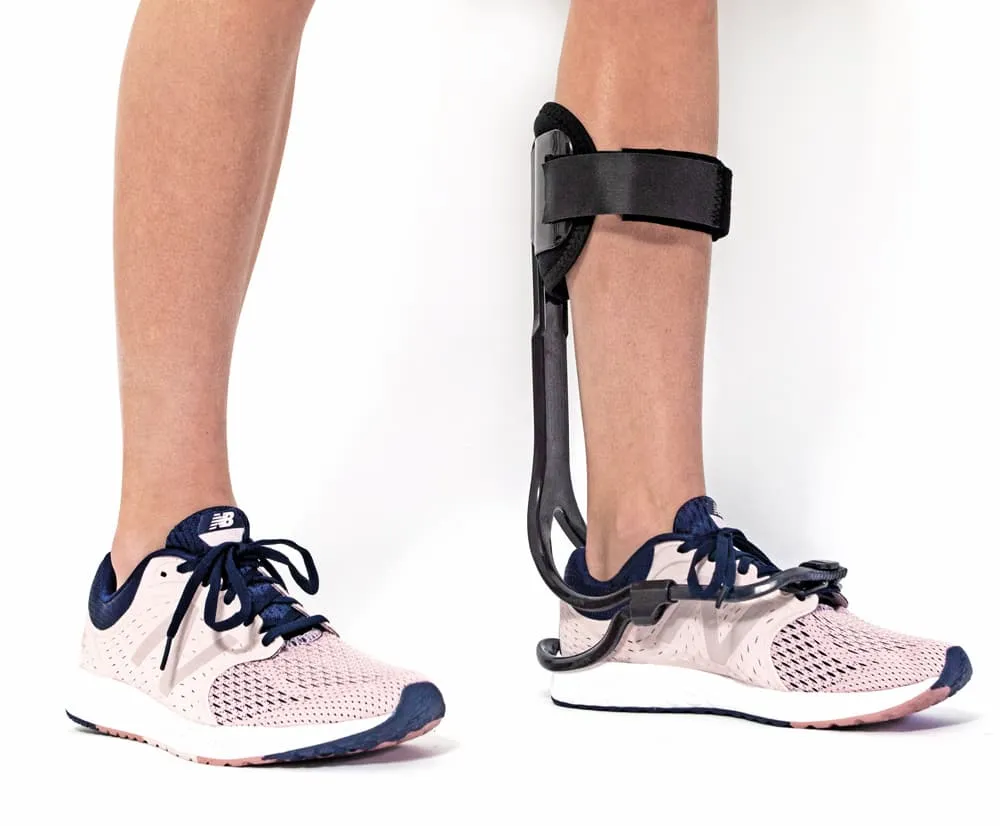
A plantar fasciitis boot, sometimes referred to as a walking boot or night splint, is designed to immobilize and support the foot. It helps reduce strain on the plantar fascia while allowing the tissue to heal.
Types of Boots
There are generally two types of boots used in managing plantar fasciitis.
Walking Boots
Walking boots are worn during the day. They limit foot movement and reduce pressure on the heel. These boots typically have a rigid outer shell and cushioned interior lining to provide support and stability.
Night Splints
Night splints are worn while sleeping. They hold the foot in a gentle stretch position, preventing the plantar fascia from tightening overnight. This can reduce the intense morning pain that many individuals experience.
The type recommended depends on the severity of the condition and the goals of treatment.
The Initial Adjustment Period
Using a boot for the first time can feel unusual. Many individuals are surprised by how different walking or sleeping feels with the device in place.
Physical Sensations
During the first few days, it is common to notice:
- Mild muscle soreness due to altered movement patterns
- A feeling of bulkiness or heaviness
- Limited ankle flexibility
These sensations usually decrease as the body adapts. It is important to follow instructions from a healthcare provider regarding how long to wear the boot each day.
Changes in Mobility
A walking boot can temporarily change the way a person moves. Gait patterns may shift slightly, and balance may feel different. Some individuals may need to use a cane or crutch for additional stability, especially if the boot is tall and rigid.
Taking slow, careful steps and avoiding uneven surfaces can reduce the risk of falls during this adjustment period.
Pain Relief Expectations
One of the primary reasons for using a boot is to reduce pain. However, relief may not be immediate.
Gradual Improvement
Most people experience gradual improvement over days or weeks rather than instant results. The boot works by reducing repetitive strain on the plantar fascia. As inflammation decreases, pain levels typically decline.
Managing Discomfort
If discomfort persists while wearing the boot, adjustments may be needed. Padding can be modified, straps can be repositioned, or the fit can be reassessed. A properly fitted boot should feel supportive but not excessively tight.
Individuals should contact a healthcare professional if pain worsens significantly or if new symptoms appear.
Daily Life While Wearing a Boot
Adapting daily routines is often necessary when using a plantar fasciitis boot.
Work and Household Activities
Depending on the nature of a person’s job, wearing a walking boot may require adjustments. Those who stand for long periods may benefit from scheduled rest breaks. Desk workers may find the transition easier but should still avoid prolonged sitting without gentle movement.
At home, simple tasks such as cooking or cleaning may take longer. Planning activities and allowing extra time can reduce frustration.
Driving Considerations
Driving while wearing a walking boot on the right foot can be unsafe because it limits ankle movement needed for pedals. Individuals should consult with their healthcare provider about when it is safe to resume driving.
If the boot is on the left foot and the vehicle has an automatic transmission, driving may still be possible. Safety should always be the priority.
Sleeping with a Night Splint
Night splints can feel awkward at first. Some individuals experience mild sleep disturbances during the first few nights. Wearing comfortable sleep clothing and adjusting pillows for support can improve comfort.
Consistency is key. Wearing the splint regularly helps maintain the stretch needed to reduce morning stiffness.
Hygiene and Skin Care
Proper skin care is essential while using a boot, especially if it is worn for extended periods.
Keeping the Foot Clean and Dry
Sweat can accumulate inside a walking boot. Wearing clean socks and removing the boot as recommended for hygiene can help prevent odor and skin irritation.
The boot lining should be cleaned according to manufacturer guidelines to maintain freshness.
Monitoring for Skin Issues
Redness, blisters, or pressure sores can develop if the boot does not fit properly. Checking the skin daily allows for early detection of potential problems.
If any open sores or persistent irritation appear, medical advice should be sought promptly.
Emotional and Psychological Impact
Wearing a boot can also have an emotional component. Limited mobility may lead to feelings of frustration or impatience.
Coping with Temporary Limitations
It is important to remember that the boot is a temporary tool aimed at long term recovery. Setting realistic expectations and tracking progress can help maintain motivation.
Engaging in low impact activities that are approved by a healthcare provider, such as seated upper body exercises, can help individuals feel active and productive.
Support from Family and Friends
Support from loved ones can make a significant difference. Assistance with errands or household tasks can reduce physical strain and emotional stress during the healing process.
Combining the Boot with Other Treatments
A boot is often part of a broader treatment plan rather than a standalone solution.
Stretching and Strengthening
Even while using a boot, gentle stretching exercises may be recommended. Once pain begins to subside, strengthening exercises for the foot and calf muscles can improve stability and prevent recurrence.
Orthotics and Footwear Changes
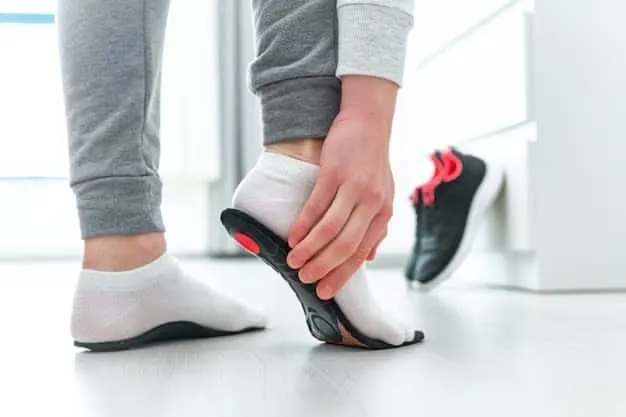
After transitioning out of the boot, supportive footwear and custom or over the counter orthotics may be recommended. These measures help maintain proper arch support and reduce stress on the plantar fascia.
Physical Therapy
In some cases, physical therapy may be included in the recovery plan. A therapist can provide targeted exercises, manual therapy, and guidance on proper biomechanics.
Duration of Use
The length of time a person needs to wear a plantar fasciitis boot varies.
Typical Time Frame
Some individuals may need to wear a walking boot for several weeks, while others may use a night splint for a longer period. The exact duration depends on the severity of the condition and how well the foot responds to treatment.
Gradual Transition
When it is time to discontinue use, the transition is usually gradual. Healthcare providers may recommend reducing wear time slowly to allow the foot to readjust to normal activity.
Returning to high impact activities too quickly can increase the risk of reinjury.
Signs of Progress
Monitoring improvement can provide reassurance that the treatment is working.
Reduced Morning Pain
A decrease in sharp morning heel pain is often one of the first signs of progress.
Improved Mobility
Greater comfort during walking and standing indicates that inflammation is decreasing.
Increased Tolerance for Activity
As healing continues, individuals often notice they can participate in daily activities with less discomfort.
Tracking these milestones can help maintain a positive outlook throughout the recovery process.
Potential Challenges
While many people benefit from using a plantar fasciitis boot, challenges can arise.
Compliance Issues
Some individuals may find the boot cumbersome and may be tempted to remove it prematurely. Consistent use is critical for optimal results.
Muscle Weakness
Prolonged immobilization can lead to temporary muscle weakness. This is why gradual reintroduction of movement and strengthening exercises is important once approved.
Open communication with a healthcare provider ensures that any challenges are addressed promptly.
Long Term Outlook
Most individuals who use a plantar fasciitis boot as directed experience significant improvement. The combination of reduced strain, proper support, and complementary therapies promotes healing of the plantar fascia.
Preventive strategies such as maintaining a healthy weight, wearing supportive shoes, and incorporating regular stretching can reduce the likelihood of recurrence.
Understanding what to expect when using this device helps set realistic goals and fosters patience during recovery. With proper guidance and consistent care, a plantar fasciitis boot can play a valuable role in restoring comfort and mobility.
For more informative health and wellness insights, readers can explore additional resources from Lermagazine.



Sign in to leave a comment.