

Droopy eyelids can affect facial appearance, visual comfort, and confidence, particularly when excess skin or weakened eyelid muscles become more noticeable with age. Anyone considering Droopy Eyelid surgery london should understand that the procedure involves more than improving appearance. A careful assessment can determine whether the eyelid position is caused by excess skin, muscle weakness, or another condition. Learning about the assessment process, surgical options, recovery period, potential risks, and expected results can help individuals approach treatment with realistic expectations and make a more informed decision.
Understanding Droopy Eyelids
Droopy eyelids, medically known as ptosis when the eyelid itself sits lower than expected, can develop for several reasons. Age related changes may weaken the muscles or supporting tissues responsible for lifting the upper eyelid. Excess skin can also hang over the eyelid and create a heavy appearance. Some people may have drooping from birth, while others develop it following injury, eye surgery, nerve problems, or certain medical conditions. Identifying the underlying cause is important because different causes may require different treatment approaches and surgical techniques.
How Drooping Can Affect Daily Life
The effect of droopy eyelids varies from person to person. Mild drooping may mainly create a tired or aged appearance, while more pronounced changes can interfere with the upper field of vision. Some individuals unconsciously raise their eyebrows or tilt their head to see more clearly, which may contribute to forehead discomfort or eye strain. Drooping can also make reading, driving, working at a computer, or concentrating on detailed tasks more difficult. A proper eye assessment can help determine whether the problem is primarily cosmetic, functional, or a combination of both.
Why a Thorough Assessment Matters
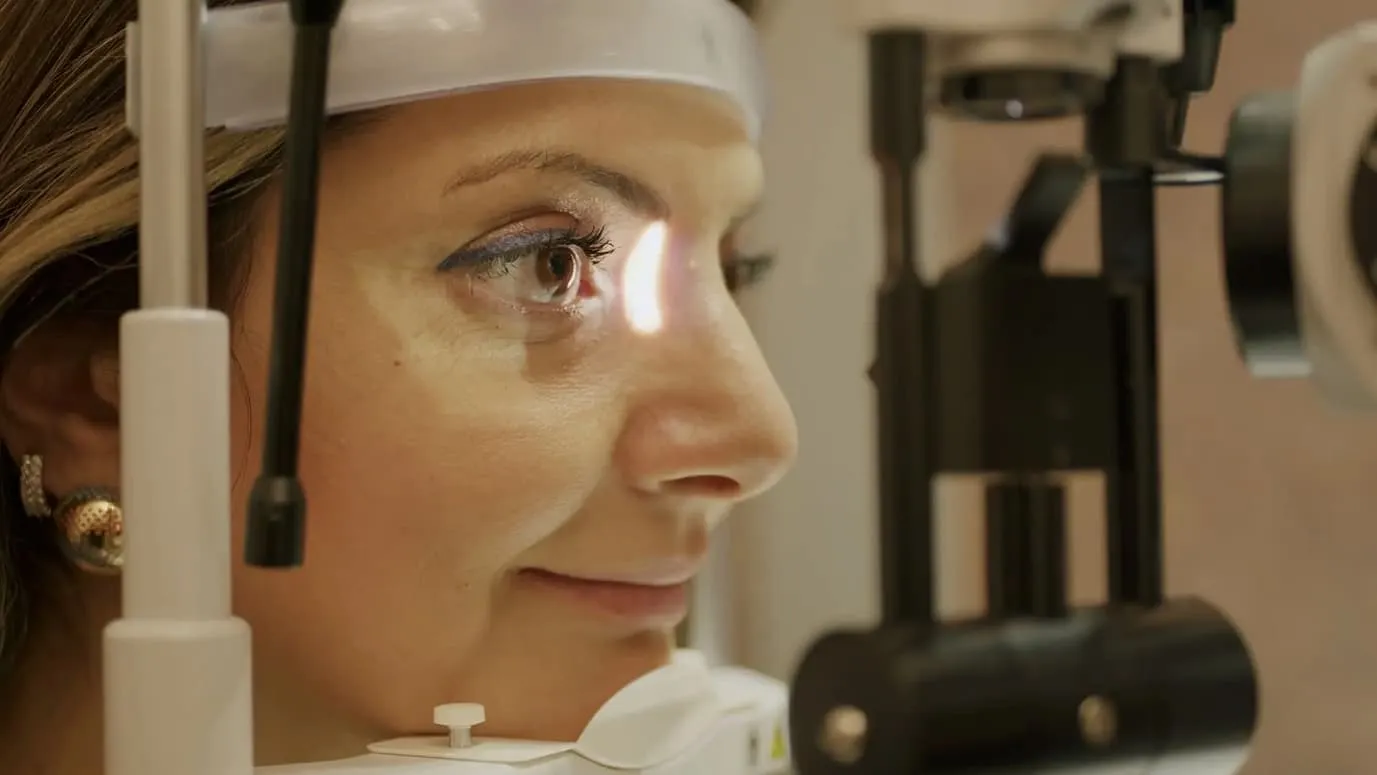
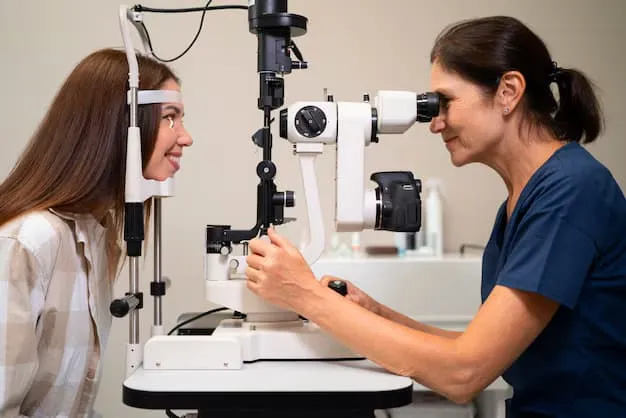
A consultation is one of the most important stages before eyelid surgery. During an assessment, a specialist can examine eyelid position, skin quality, muscle function, eyebrow position, eye movement, and overall eye health. The specialist may also ask about previous eye procedures, medications, allergies, and changes in vision. Photographs or measurements can sometimes be used to document the starting position of the eyelids. This information helps establish an appropriate treatment plan and can reveal whether another eye or medical issue should be investigated before surgery is considered.
Identifying the Cause of Drooping
Not every heavy or low appearing eyelid has the same cause. Excess upper eyelid skin, for example, can produce a hooded appearance even when the eyelid lifting muscle works normally. True ptosis occurs when the upper eyelid margin itself is positioned too low. Brow position can also influence the appearance of the upper eyelid and may contribute to perceived heaviness. Because these conditions can look similar, professional assessment is essential. Understanding the cause allows the recommended procedure to address the actual problem instead of treating only its visible symptoms.
Choosing the Appropriate Surgical Approach
The surgical technique depends on the reason for the drooping and the individual's eyelid structure. Where excess skin is the main concern, an upper eyelid blepharoplasty may be considered to remove carefully measured amounts of skin and, when appropriate, underlying tissue. Where the eyelid lifting muscle is weak or stretched, a ptosis repair may be more suitable. In some cases, more than one issue contributes to the appearance, requiring a combined approach. The chosen technique should be based on examination findings rather than a standard procedure selected solely for cosmetic reasons.
Considering Functional and Cosmetic Goals
Before surgery, patients should clearly explain what they hope to achieve. Someone concerned about restricted vision may have different priorities from someone mainly seeking a fresher facial appearance. A specialist can discuss whether the proposed operation is likely to address those concerns and what changes may realistically be achieved. It is important to understand that surgery aims to improve eyelid position or excess tissue while maintaining healthy eye function. Expectations should remain realistic because perfect symmetry and an identical appearance on both sides cannot always be guaranteed after treatment.
Questions to Ask During a Consultation
A consultation provides an opportunity to ask detailed questions about the proposed procedure. Patients may want to understand why a particular technique has been recommended, how long the operation is expected to take, what type of anaesthesia may be used, and whether treatment is performed as a day case. It is also sensible to ask about the expected recovery period, follow up arrangements, possible complications, and signs that require urgent attention. Clear communication can reduce uncertainty and help individuals decide whether they feel comfortable proceeding with treatment.
Discussing Previous Eye Problems
Previous eye conditions and treatments should always be disclosed during an assessment. Information about dry eyes, glaucoma, previous cataract procedures, contact lens use, allergies, or earlier eyelid surgery may influence treatment planning. Details about regular medicines and supplements should also be discussed because some can affect bleeding or healing. A specialist may recommend additional examinations when there are concerns about vision, tear production, or eyelid movement. Complete medical information gives the surgical team a clearer understanding of potential risks and supports safer planning before any procedure takes place.
Understanding the Recovery Period
Recovery following eyelid surgery differs according to the procedure and the individual. Swelling and bruising around the eyelids are common during the early stages and usually become less noticeable as healing progresses. Temporary tightness, sensitivity, watering, or mild discomfort can also occur. Patients are generally given specific instructions about keeping the area clean, using prescribed treatments, protecting the eyes, and avoiding activities that could interfere with healing. Understanding these restrictions in advance can make the recovery period easier to manage and help patients plan work, travel, and social commitments appropriately.
When Results Become Noticeable
Early changes can often be seen once initial swelling begins to settle, but the final appearance may take considerably longer to develop. Eyelid tissues continue changing during the healing process, and subtle differences between the two sides can become less noticeable with time. Patients should avoid judging the outcome too quickly, particularly during the first few weeks. Follow up appointments allow the specialist to monitor healing and assess eyelid position. If additional treatment is ever considered, it should generally be discussed only after sufficient healing has occurred and the tissues have stabilised.
Being Aware of Potential Risks
Eyelid surgery is generally performed with careful planning, but like any surgical procedure, it carries potential risks. These can include bleeding, infection, swelling, scarring, changes in sensation, dry or irritated eyes, difficulty closing the eyelids, or differences between the two sides. In some cases, eyelid position may remain lower or become higher than intended, and further treatment may be required. Serious complications affecting vision are uncommon but should be discussed during consultation. Understanding potential risks does not mean expecting complications, but it allows patients to make decisions based on balanced information.
The Importance of Specialist Experience
Experience with eyelid procedures can be an important consideration when selecting a surgeon. Patients should look for an appropriately qualified professional who regularly assesses and treats eyelid conditions and can explain the reasoning behind the recommended technique. It is reasonable to ask about training, experience with similar cases, typical follow up arrangements, and how complications are managed. The consultation should also provide enough time for questions rather than focusing exclusively on the cosmetic result. A professional and transparent approach can help establish confidence before a patient commits to surgery.
Preparing Before the Procedure
Preparation can support a smoother surgical experience and recovery. Patients should follow the instructions provided by the clinical team and make sure they understand which medicines or products need to be discussed before surgery. Arranging transport home and having someone available for support during the early recovery period may be helpful, especially while vision is temporarily affected by swelling or ointments. Work and exercise plans may also need adjustment. Preparing the home environment, arranging suitable meals, and keeping recommended supplies available can make the first few days more comfortable.
Choosing the Right Time for Surgery
Timing can be particularly important for individuals with demanding work schedules, family responsibilities, or upcoming travel. Because bruising and swelling may remain visible for a period after surgery, patients may prefer to allow adequate time away from important social or professional commitments. Outdoor activities may also need to be limited during the early healing stage, depending on medical advice. Anyone planning treatment should discuss upcoming events with the specialist and allow enough flexibility for recovery. Rushing the process because of a fixed deadline may create unnecessary pressure during an important stage of treatment.
Looking Beyond Cosmetic Results
Successful eyelid surgery should be considered in terms of both appearance and function. A natural result should complement the individual's facial features without creating an overly surprised or artificial expression. Functional goals can include improving the position of the eyelid and, where appropriate, expanding the upper visual field. However, surgery cannot stop the natural ageing process, and changes may gradually develop over the years. Maintaining realistic expectations is therefore essential. A good treatment plan focuses on appropriate improvement while preserving eyelid movement, eye protection, comfort, and overall ocular health.
Making an Informed Decision
Choosing eyelid surgery should never be based solely on photographs, promotional offers, or pressure to make a quick decision. A patient should have enough information to understand the diagnosis, recommended technique, expected benefits, possible limitations, recovery requirements, and potential complications. Taking time to compare qualified specialists and attend a detailed consultation can provide greater confidence. If the explanation is unclear or expectations do not match what surgery can realistically provide, seeking another professional opinion may be sensible. Careful decision making is especially valuable when surgery involves an area as delicate and important as the eyes.
Conclusion
Anyone considering droopy eyelid treatment in London can benefit from approaching the decision with careful research and realistic expectations. Understanding the cause of eyelid drooping, selecting an appropriate surgical approach, discussing personal goals, and preparing properly for recovery can all contribute to a more informed experience. The eyes require particularly careful treatment because appearance and function are closely connected. Patients should therefore prioritise qualified professional assessment and clear communication rather than choosing treatment based only on cost or convenience. For individuals seeking further guidance, Optimal Vision Clinic can be considered as a source of professional information and consultation.





























Sign in to leave a comment.