

Clear vision allows people to read, work, drive, recognize faces, and enjoy everyday surroundings with greater confidence. When the eye cannot focus incoming light correctly, objects may appear blurred, stretched, or distorted. One common refractive condition responsible for these changes is eye vision astigmatism, which can affect people at different stages of life. It may occur alone or alongside nearsightedness or farsightedness. Understanding its symptoms, causes, diagnosis, and available treatment options can help individuals recognize changes in vision and seek an appropriate professional evaluation.
What Is Astigmatism?
Understanding the Condition
Astigmatism is a common refractive error that occurs when the cornea or lens has an irregular shape. Instead of allowing incoming light to focus evenly on the retina, the altered shape causes light to bend differently. As a result, vision may become blurry or distorted at different distances. Some people are born with astigmatism, while others develop it during childhood or young adulthood. It can also appear after certain eye injuries or surgeries. The condition varies in severity, and mild cases may cause few noticeable symptoms.
How Vision Becomes Affected
In an eye without significant refractive irregularity, the cornea and lens work together to direct light toward the retina, which is located at the back of the eye. With astigmatism, differences in curvature can prevent light from forming one precise focus. This can produce unclear images, whether an individual is looking at something nearby or across a room. The resulting visual effect may differ from person to person. Some individuals notice general blurring, while others experience distortion, eye fatigue, or difficulty seeing clearly in particular lighting conditions.
Common Symptoms of Astigmatism
Blurred or Distorted Vision
Blurred vision is one of the most recognizable signs associated with astigmatism. Objects may appear less sharp than expected, and straight lines can sometimes seem uneven or distorted. Vision may be affected at both close and distant ranges rather than being limited to one particular viewing distance. Individuals may also find that fine details are difficult to distinguish, especially when reading small text or viewing signs from a distance. Because symptoms can overlap with other refractive errors, an eye examination remains important for identifying the actual cause.
Eye Strain and Headaches
Astigmatism can make the eyes work harder to maintain clear focus, particularly during activities that require sustained visual attention. As a result, some individuals may experience tired or uncomfortable eyes after reading, using digital screens, studying, or performing detailed tasks. Headaches can also occur when vision remains unclear for extended periods. Squinting may temporarily make an image appear sharper, which can become a frequent habit. Persistent eye strain or recurring headaches associated with visual tasks should encourage an individual to schedule a comprehensive eye examination.
Difficulty Seeing at Night
Nighttime vision can be challenging for some people with astigmatism. Reduced lighting and bright sources such as vehicle headlights can make existing visual distortion more noticeable. A person may notice glare, halos, haziness, or difficulty distinguishing details in dim surroundings. These symptoms can be particularly inconvenient when driving after sunset or moving through poorly lit areas. However, nighttime visual difficulties are not exclusive to astigmatism and can have several causes. An eye care professional can determine whether refractive error or another eye condition is contributing to the problem.
Causes and Risk Factors
Shape of the Cornea or Lens
The primary feature associated with astigmatism is an irregular shape of the cornea or lens. Instead of having a more evenly rounded curvature, the affected structure may have different curves in different directions. This changes how light enters and travels through the eye. Medical professionals do not always identify a specific reason why astigmatism develops. Some individuals have it from birth, while others develop it as they grow. In certain situations, an injury or previous eye surgery may also contribute to changes affecting corneal shape.
Astigmatism in Children
Children can have astigmatism without realizing that their vision differs from normal. They may adapt to blurred vision or assume that the way they see is typical. Signs can include squinting, difficulty reading classroom material, headaches, or problems maintaining visual attention. Regular eye examinations can therefore be especially valuable during childhood. Detecting and correcting significant refractive errors early can support clearer visual development. Untreated refractive problems in children may sometimes contribute to reduced visual development in one or both eyes, making timely professional assessment particularly important.
How Astigmatism Is Diagnosed
Comprehensive Eye Examination
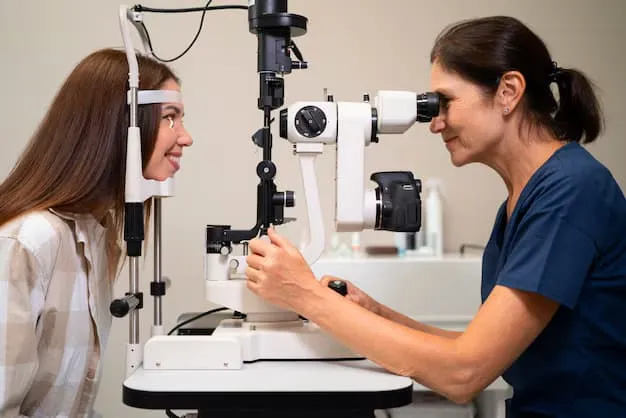
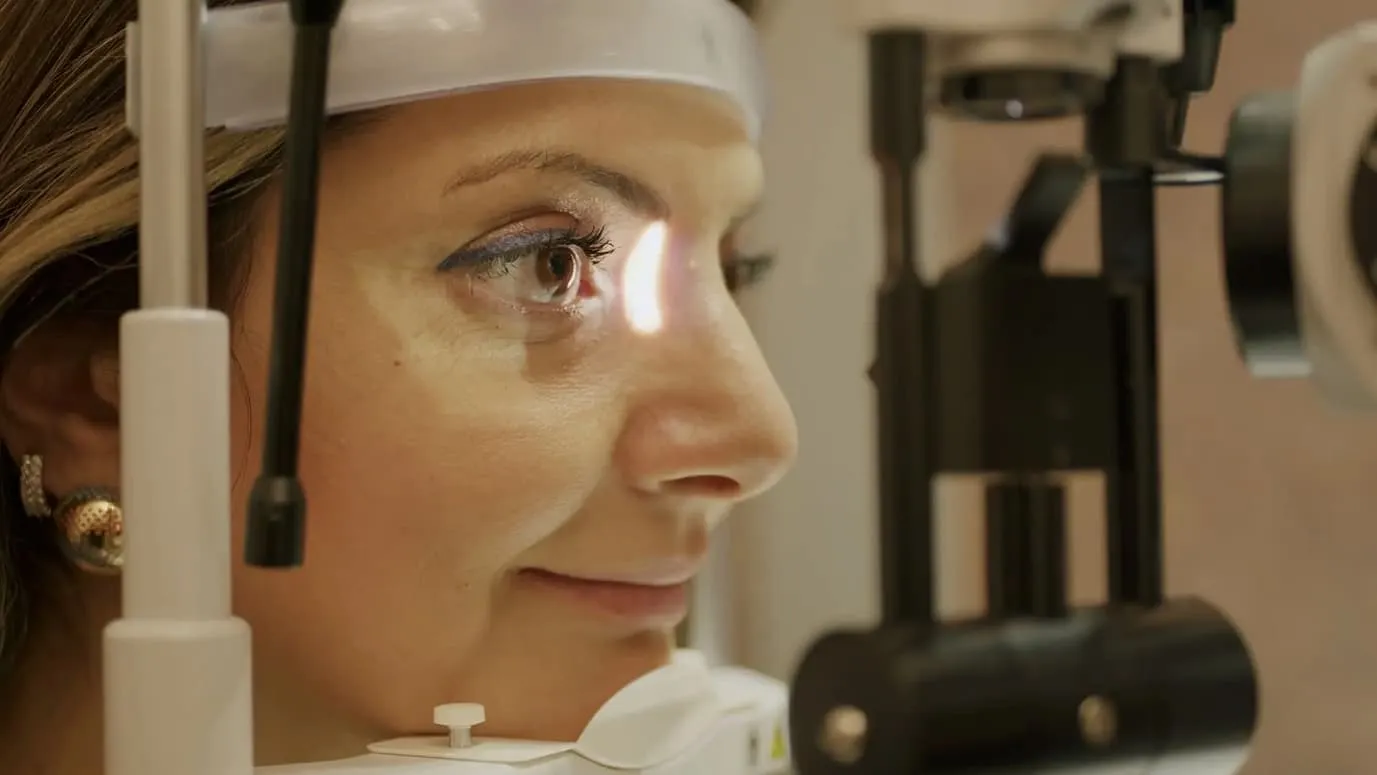
An eye care professional can identify astigmatism during a comprehensive eye examination. The assessment generally includes checking how clearly a person sees at different distances and determining the refractive prescription needed for clear vision. Additional examination methods may be used to evaluate the overall health of the eyes. In some cases, pupil dilation allows the professional to inspect internal eye structures more thoroughly. The examination itself is generally straightforward and painless. Accurate diagnosis is important because blurry vision can result from several different refractive or eye health conditions.
Understanding the Prescription
When astigmatism is identified, the resulting prescription can contain measurements that address the direction and amount of refractive correction required. This differs from a simple prescription designed only for nearsightedness or farsightedness. The exact prescription depends on the individual eye and the findings from the examination. Because vision can change over time, an older prescription may eventually become less effective. If glasses or contact lenses no longer provide comfortable, clear vision, another examination can determine whether the prescription needs adjustment or whether another eye issue should be investigated.
Treatment Options for Astigmatism
Eyeglasses
Eyeglasses are one of the most common ways to correct astigmatism. Specially prescribed lenses compensate for the way light is being refracted by the eye, helping images reach the retina with improved focus. They are generally simple to use and can be suitable for people of many ages. The appropriate lens prescription depends on the individual's examination results. Some people may need to wear glasses throughout the day, while others may use them mainly for particular activities. A qualified eye care professional can explain the most suitable approach based on visual needs.
Contact Lenses
Contact lenses can provide another method of correcting astigmatism for suitable individuals. Depending on the type and severity of the refractive error, specialized lenses may be prescribed to provide the required correction. Proper fitting is important because a contact lens must sit appropriately on the eye to provide reliable vision and comfort. Individuals who use contact lenses should also follow professional instructions for cleaning, wearing, replacing, and storing them. Contact lenses are not appropriate for everyone, so an eye care professional should assess eye health and lifestyle before recommending them.
Refractive Surgery
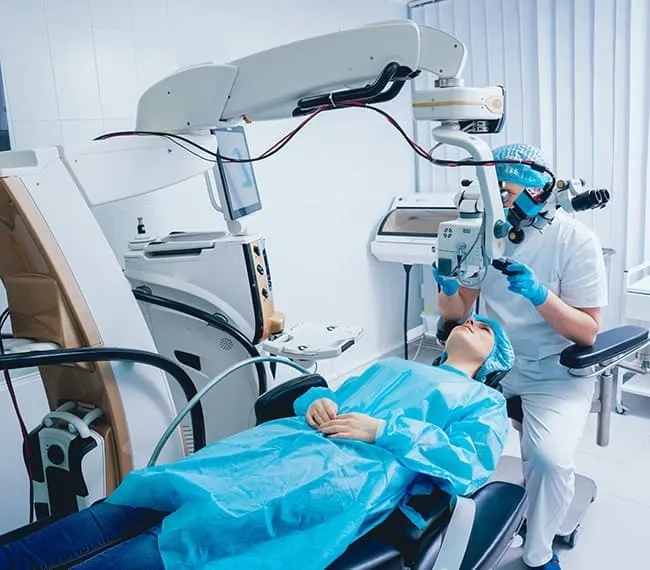
Some adults may consider refractive surgery as an option for correcting astigmatism. Procedures such as laser based surgery can reshape the cornea so that light focuses more accurately on the retina. However, surgery is not suitable for every person. A detailed examination is needed to evaluate eye health, prescription stability, corneal characteristics, and other factors that can affect safety and results. Potential side effects can include dry eye, glare, halos, blurry vision, or sensitivity to light. A thorough discussion of benefits, limitations, and possible risks should take place before any procedure is considered.
Choosing the Right Treatment
Factors That Influence Treatment
The most appropriate treatment can vary according to the severity of astigmatism, age, lifestyle, eye health, visual requirements, and personal preferences. A person who needs dependable correction for reading, driving, studying, or professional activities may have different needs from someone with mild astigmatism and minimal symptoms. Eyeglasses may provide a convenient solution for one individual, while another may prefer properly fitted contact lenses. Surgery may be considered by selected adults after a detailed assessment. Professional guidance helps ensure that treatment decisions are based on individual eye health rather than convenience alone.
When Treatment May Not Be Necessary
Not every case of astigmatism requires immediate correction. Mild astigmatism may produce little or no noticeable effect on everyday activities. In such circumstances, an eye care professional may recommend observation rather than active treatment, depending on the examination findings. However, a lack of symptoms does not necessarily mean that the eyes are completely healthy. Regular examinations can identify changes that an individual may not notice independently. Anyone experiencing new or worsening blurred vision, persistent eye discomfort, or difficulty seeing clearly should arrange an appropriate eye examination rather than assuming the symptoms are harmless.
Supporting Long Term Eye Health
Importance of Regular Eye Examinations
Regular eye examinations can help monitor vision and identify refractive changes over time. A prescription that worked well previously may become less effective as the eyes change. An examination can also help distinguish ordinary refractive errors from other conditions that may cause similar symptoms. Individuals should discuss the recommended examination schedule with their eye care professional according to their age, eye health, family history, and visual needs. Children may benefit from particular attention because they may not recognize or communicate changes in their vision. Consistent monitoring supports clearer and healthier vision over time.
Recognizing Changes Promptly
A noticeable change in vision deserves attention, particularly when it develops suddenly or becomes progressively worse. Although astigmatism commonly causes blurred or distorted vision, similar symptoms can occur with other eye conditions. Professional evaluation can help determine the underlying cause and identify an appropriate course of action. Individuals should avoid relying solely on self testing methods or assuming that stronger glasses will always solve a new visual problem. Prompt assessment is especially valuable when symptoms interfere with reading, work, driving, school activities, or other everyday responsibilities.
Conclusion
Astigmatism is a common refractive condition that can make vision appear blurred, distorted, or uncomfortable, with symptoms sometimes including eye strain, headaches, squinting, and difficulty seeing clearly at night. Fortunately, several effective correction options are available, including eyeglasses, contact lenses, and selected surgical procedures. The most appropriate approach depends on individual eye health, prescription requirements, lifestyle, and professional assessment. Anyone experiencing persistent or changing visual symptoms can benefit from a comprehensive eye examination and personalized guidance. For individuals seeking professional support and vision care, Optimal Vision Clinic can be considered as a destination for discussing their eye care needs.



























Sign in to leave a comment.