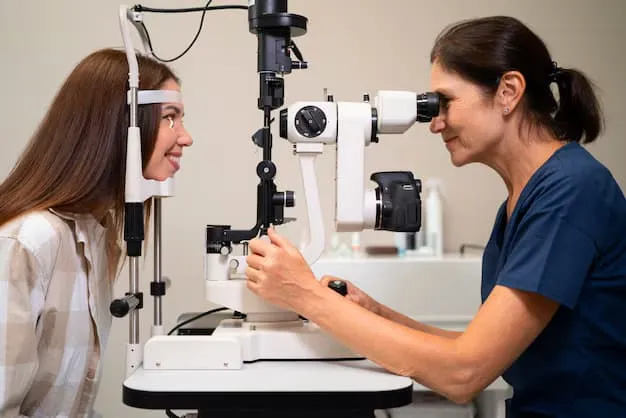

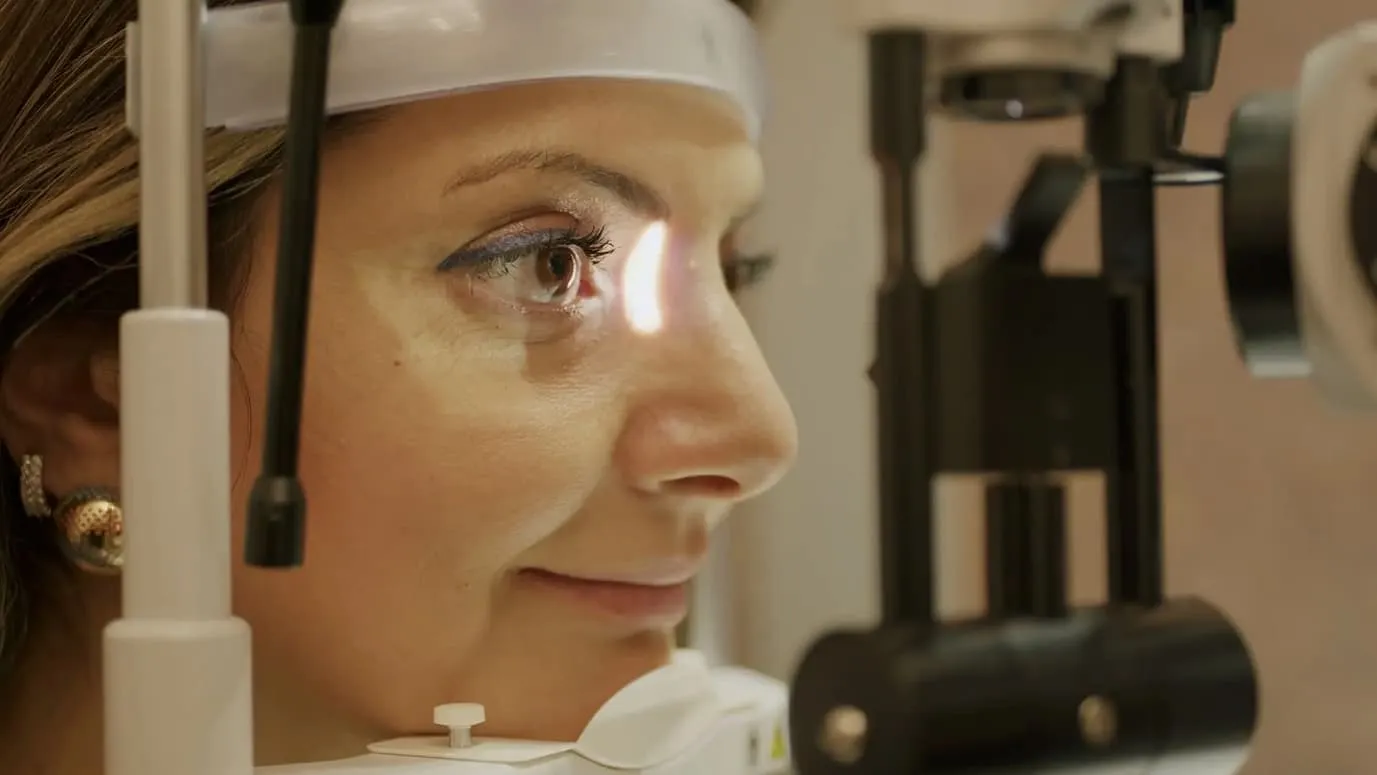
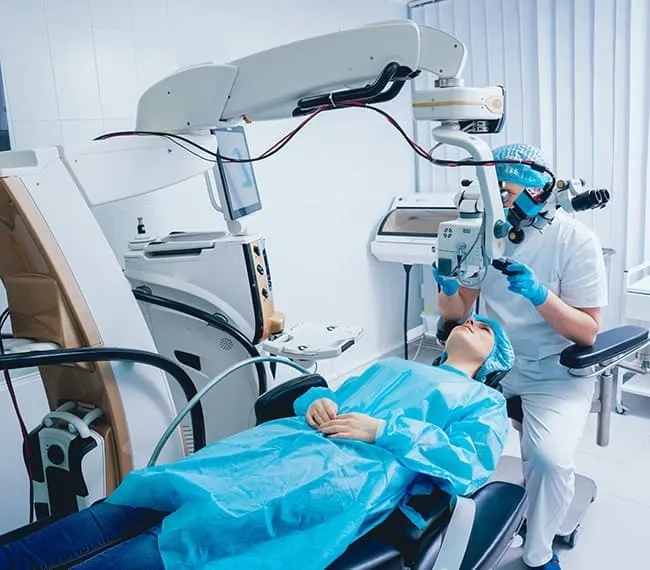
Laser eye surgery can offer a convenient way to reduce dependence on glasses or contact lenses, but understanding the healing process is an important part of making an informed decision. Patients often wonder how quickly vision improves, what sensations are normal, and when everyday activities can resume. laser eye surgery involves reshaping the cornea to correct certain refractive errors, and recovery can vary according to the procedure performed, individual healing patterns, and the condition of the eyes before treatment. Realistic expectations can make the recovery period more comfortable and manageable.
Understanding the Recovery Process
What Happens Immediately After Treatment
The first hours after treatment are generally focused on rest and protecting the eyes. Some patients may experience watering, light sensitivity, mild irritation, or a sensation resembling something being present in the eye. Vision can also appear hazy or blurry during the early recovery period. These symptoms are often part of the normal healing process, although their intensity differs between individuals. Patients are usually advised to avoid rubbing their eyes and to follow every instruction provided by the treating eye specialist.
The First Few Days
During the first several days, the eyes gradually begin adapting to their new shape. Patients may notice fluctuating vision, sensitivity to bright lights, dryness, or temporary glare around light sources. LASIK commonly allows useful vision to return relatively quickly, while procedures such as PRK generally require a longer period for the surface of the cornea to heal. Because recovery differs considerably, patients should not compare their progress too closely with someone else who underwent a different procedure. Individual healing and professional guidance remain the most reliable measures of progress.
How Vision Changes During Recovery
Vision During the First Weeks
Vision often improves progressively rather than becoming completely stable immediately after treatment. During the first several weeks, some patients may notice that clarity changes at different times of the day or that distant objects appear sharper on some days than others. Temporary halos, glare, starbursts, and fluctuations can occur while the cornea heals. In many cases, these visual effects gradually become less noticeable. However, recovery timelines are not identical for everyone, so follow up examinations are essential for monitoring healing and identifying concerns early.
When Vision Becomes More Stable
Many patients experience significant improvement within the early weeks, but complete visual stabilization can take longer. Official patient information notes that smaller changes in vision may continue for several months after treatment. This does not necessarily mean that the procedure has failed or that healing is abnormal. The eyes continue undergoing biological changes as the corneal tissue settles. Patients should therefore avoid judging the final outcome too soon. Regular examinations allow the eye specialist to assess clarity, corneal health, pressure, and other factors throughout the recovery period.
Everyday Activities After Surgery
Returning to Work and Screens
The timing for returning to work depends on the procedure, occupation, visual demands, and individual recovery. People with desk based jobs may resume activities relatively soon when vision and comfort permit, while those working in dusty, smoky, chemically exposed, or physically demanding environments may require additional precautions. Screen use can sometimes increase feelings of dryness or eye fatigue during the early recovery period. Taking regular breaks, blinking frequently, and using prescribed or recommended lubricating drops can help improve comfort when permitted by the treating specialist.
Exercise and Physical Activity
Physical activity should generally be resumed according to the specific instructions given after treatment. Gentle activities may become possible relatively quickly, but strenuous exercise, swimming, contact sports, and situations involving a risk of eye injury may require a temporary pause. The reason for these precautions is to protect healing tissue and reduce the possibility of irritation, contamination, or accidental trauma. Patients should not assume that feeling comfortable means every activity is immediately safe. A gradual return to exercise provides the eyes with additional protection while healing continues.
Protecting the Eyes During Recovery
Eye Drops and Medication
Prescribed eye drops play an important role in postoperative care. Depending on the procedure and individual circumstances, patients may receive medications intended to reduce inflammation, prevent infection, or improve dryness and comfort. Drops should be used exactly as instructed, including the recommended frequency and duration. Clean hands should be used before applying medication, and the bottle tip should not touch the eye or surrounding skin. Patients should never change, stop, or extend medication use without consulting the treating specialist, particularly when anti inflammatory drops are involved.
Avoiding Eye Rubbing
Avoiding eye rubbing is one of the simplest yet most important precautions during recovery. Rubbing can irritate healing tissues and may interfere with the normal recovery process. Patients may experience itching or dryness, particularly as the eyes adjust during the first few weeks, but rubbing should still be avoided. Wearing protective eye shields while sleeping may be recommended in some cases to reduce accidental touching or pressure during the night. Sunglasses can also make outdoor conditions more comfortable when light sensitivity is present.
Understanding Different Recovery Timelines
LASIK Recovery
LASIK is generally associated with a relatively rapid visual recovery because the procedure uses a corneal flap and does not require the same surface healing process as PRK. Many patients can experience useful vision within a short period, although temporary dryness, glare, or fluctuations may still occur. Mild discomfort can occur during the first several hours. Even when vision seems clear quickly, the eyes continue healing beneath the surface. Patients should therefore continue following postoperative instructions and attend scheduled examinations rather than assuming that rapid improvement means recovery is already complete.
PRK Recovery
PRK usually involves a slower initial recovery because the outer layer of the cornea is removed and must naturally regenerate. A protective contact lens may be placed temporarily while the surface heals. During the first few days, patients can experience more discomfort, light sensitivity, tearing, and blurred vision than commonly occurs after LASIK. Useful vision may take several days or longer to develop, while further improvement continues afterward. The longer recovery does not necessarily indicate a poorer outcome, as PRK can be appropriate for certain patients based on corneal characteristics and other clinical factors.
Possible Temporary Side Effects
Temporary side effects can include dry eyes, fluctuating clarity, glare, halos, starbursts, light sensitivity, and mild discomfort. These effects are important to understand before treatment because recovery is not always an immediate transition from blurred vision to perfect clarity. Some symptoms may become less noticeable as the eyes heal, while others can persist for a longer period in certain individuals. Laser vision correction is not completely risk free, and potential benefits and complications should be discussed carefully with a qualified eye specialist before treatment.
When Medical Attention Is Important
Warning Signs During Recovery
Although many postoperative symptoms are temporary, certain changes should not be ignored. Severe or increasing pain, worsening vision, or symptoms that become noticeably worse rather than gradually improving warrant prompt communication with the treating eye specialist. Patients should also seek professional advice if they are uncertain whether a symptom is expected. Delaying assessment because a symptom is assumed to be part of normal healing can create unnecessary risk. Following the scheduled examination plan helps specialists identify inflammation, infection, pressure changes, or other complications before they become more serious.
Preparing for a Comfortable Recovery
A smooth recovery begins with preparation before the procedure. Patients should arrange transportation if they will not be able to drive immediately afterward, organize prescribed medications, and create a clean, comfortable environment for resting. It can also help to have sunglasses available for light sensitivity and to reduce activities that may strain or expose the eyes. Before treatment, patients should discuss their expectations, medical history, eye health, medications, and possible risks with the eye specialist. Careful preparation can reduce unnecessary stress and make postoperative instructions easier to follow.
Conclusion
Recovery after laser eye surgery is usually a gradual process in which vision and comfort improve over time. The experience can differ depending on whether a patient undergoes LASIK, PRK, or another form of refractive treatment, making personalized guidance especially important. Patience, proper use of prescribed drops, protection from eye rubbing and injury, and attendance at follow up appointments can all support appropriate healing. Patients should remember that early visual fluctuations do not necessarily represent the final result. For professional evaluation and guidance tailored to individual eye health, Optimal Vision Clinic can help patients understand their options and recovery expectations.



























Sign in to leave a comment.