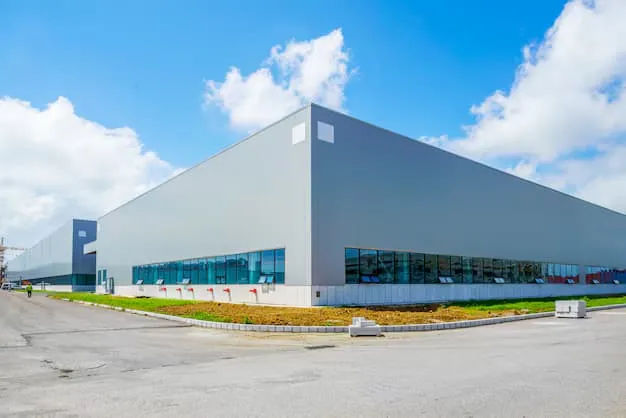

Investing in industrial properties requires a clear understanding of how different asset types function, especially when it comes to outdoor storage. Businesses often rely on open spaces for storing equipment, vehicles, and bulk materials that do not require enclosed facilities. In today’s market, industrial outdoor storage has gained attention as a flexible and cost-effective solution for many industries. This type of property supports operations that demand accessibility, scalability, and efficient use of space.
Before making any investment, it is important to recognize how outdoor storage differs from traditional industrial assets. These properties often involve simpler infrastructure but require careful planning regarding layout and usage. Investors must consider how businesses will utilize the space and whether it aligns with current and future demand. A strong understanding of these fundamentals helps ensure a more strategic and informed investment decision.
Evaluating Location and Accessibility
Location plays a critical role in determining the value and usability of outdoor storage properties. Investors should prioritize areas that offer convenient access to major highways, transportation hubs, and industrial zones. Exploring industrial outdoor storage opportunities in well-connected regions allows businesses to manage logistics more efficiently and reduce transportation costs.
Accessibility also extends to the design and layout of the property itself. Wide entry points, clear pathways, and proper circulation are essential for accommodating large vehicles and equipment. A well-located and easily accessible property not only improves operational efficiency but also enhances its attractiveness to potential tenants or buyers.
Assessing Property Features and Infrastructure
While outdoor storage properties may appear straightforward, their features and infrastructure are critical to their functionality. Investors must evaluate aspects such as surface quality, drainage systems, fencing, and security measures. When considering industrial outdoor storage, these elements ensure that the property remains practical and safe for various industrial uses.
Infrastructure also includes access to utilities and any additional facilities that may support operations. Even though these properties are primarily open spaces, having basic amenities can significantly improve their usability. A thorough assessment of these features helps investors choose properties that require minimal upgrades and offer immediate operational benefits.
Understanding Zoning and Regulatory Requirements
Legal and regulatory considerations are essential when investing in industrial properties. Outdoor storage sites must comply with zoning laws and land use regulations, which can vary significantly by location. Reviewing industrial outdoor storage opportunities without proper due diligence can lead to restrictions that limit how the property can be used.
Environmental regulations are another important factor to consider. Certain types of storage may require specific permits or adherence to environmental standards. Investors should work closely with legal professionals to ensure that all requirements are met. This proactive approach minimizes risks and ensures that the investment remains compliant and secure.
Financial Planning and Risk Assessment
A successful investment strategy requires careful financial planning. Investors must evaluate the total cost of acquiring and maintaining the property, including taxes, insurance, and potential improvements. Analyzing industrial outdoor storage options within a defined budget helps ensure that the investment aligns with financial goals and risk tolerance.
Risk assessment is equally important in making informed decisions. Factors such as market demand, tenant reliability, and economic conditions can influence the success of the investment. By identifying potential risks early, investors can develop strategies to mitigate them and protect their assets over time.
Long-Term Value and Market Potential
Outdoor storage properties offer unique opportunities for long-term growth, especially in industries that rely heavily on logistics and transportation. As demand continues to rise, industrial outdoor storage is becoming an increasingly valuable asset class. Investors who recognize this trend can benefit from both steady income and property appreciation.
Evaluating market potential involves understanding industry trends and future developments. Properties located in growing industrial areas are more likely to see increased demand and value over time. By focusing on long-term potential, investors can secure assets that contribute to sustained financial success and operational efficiency.
Conclusion
Investing in outdoor storage properties requires a balanced approach that considers location, infrastructure, legal compliance, and financial planning. Each factor plays a vital role in determining the success and sustainability of the investment.
By conducting thorough research and aligning decisions with market trends, investors can make confident choices that deliver long-term value. With the right expertise and strategic guidance, navigating these opportunities becomes more effective and rewarding through Equity CRE.






























Sign in to leave a comment.