

A brighter smile sounds simple enough until you actually start comparing whitening options. Store shelves are packed with strips, pens, and charcoal powders, each promising fast results, while a dental office offers a completely different approach. Before spending money on any of it, it helps to understand what whitening actually does to your teeth, what results you can realistically expect, and why some methods work far better than others.
How Teeth Whitening Actually Works
Whitening products rely on a bleaching agent, usually hydrogen peroxide or carbamide peroxide, that breaks down stains sitting within the enamel and the layer just beneath it. The peroxide penetrates tiny pores in the tooth structure and breaks apart the pigmented molecules causing discoloration. Surface stains from coffee, tea, or red wine respond fairly well to this process. Deeper discoloration, caused by things like certain medications taken during childhood or old trauma to a tooth, often needs a different approach entirely, since bleaching alone won't fully resolve it.
This matters because a lot of whitening disappointment comes from mismatched expectations rather than a failed product. Understanding your type of staining before choosing a method saves both money and frustration.
Store-Bought Kits Versus Professional Whitening
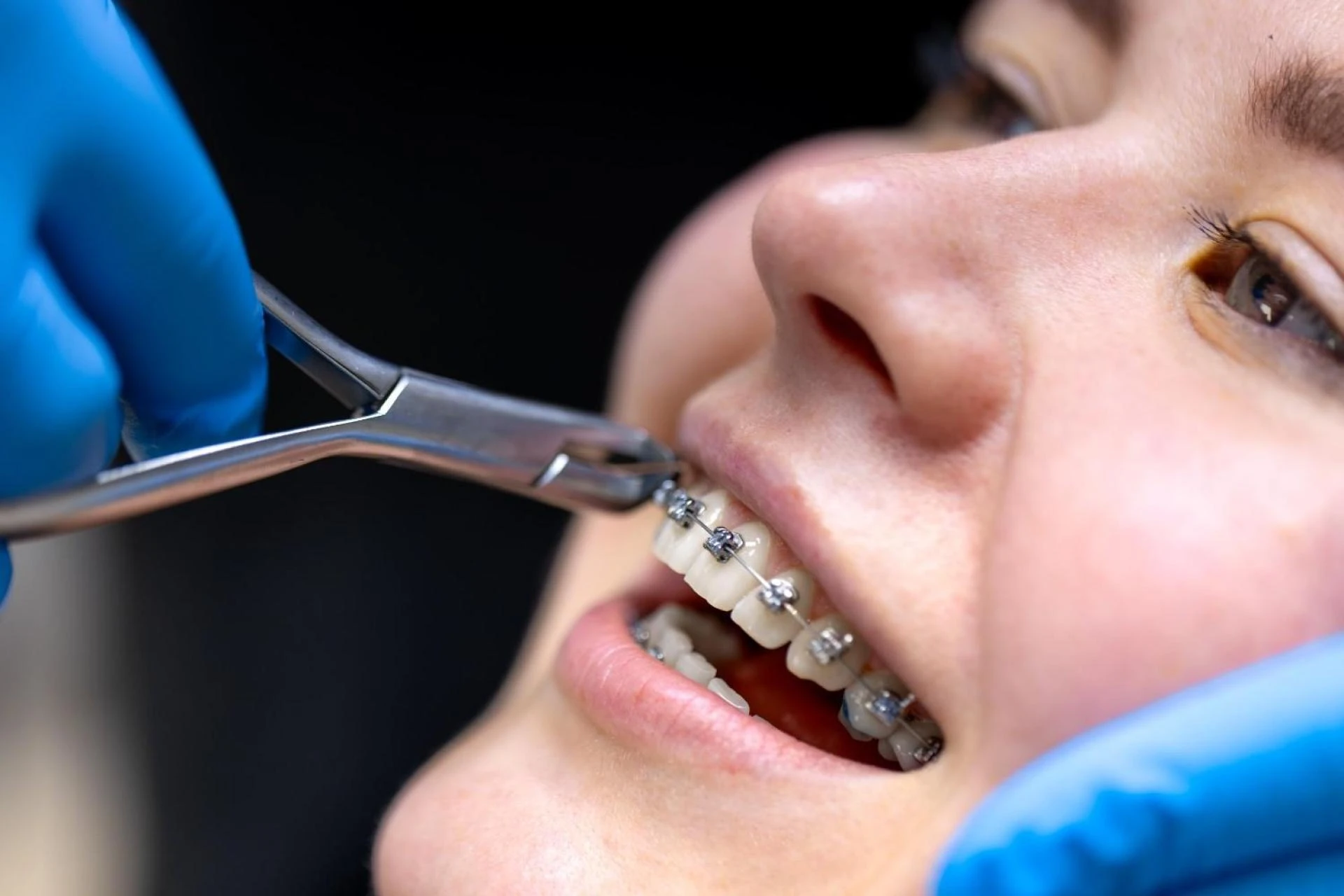
Over-the-counter strips and gels use a lower concentration of bleaching agent, which makes them safer for unsupervised use but slower to work and less consistent across a full smile. Uneven application is common, since strips rarely fit the curve of every tooth the same way. Professional cosmetic dentistry uses a stronger concentration under supervision, along with a custom tray or in-office light system that keeps the gel evenly placed and protects the gums from irritation.
The gap in results isn't small. Many patients see noticeably whiter teeth after one professional session, compared to weeks of daily strip use for a fraction of the improvement.
Why Sensitivity Happens and How to Manage It
Tooth sensitivity during and after whitening is common, and it happens because peroxide temporarily opens tiny channels in the enamel that lead to the nerve. This usually fades within a day or two. Dentists typically recommend spacing out whitening sessions rather than doing them back to back, and using a desensitizing toothpaste in the days surrounding treatment. Anyone with untreated cavities, cracked teeth, or exposed roots should get those issues addressed first, since whitening on top of existing damage tends to make sensitivity worse.
Skipping this step is one of the more common mistakes people make when whitening at home without professional guidance.
Who Should Think Twice Before Whitening
Whitening isn't right for every situation. Pregnant or breastfeeding patients are usually advised to wait. Existing dental work like crowns, veneers, or fillings won't change color during whitening, which can leave a mismatched smile if those restorations are visible. Children under sixteen generally aren't good candidates either, since the tooth's nerve chamber is still larger and more sensitive at that age. A quick conversation with the team at a Millwoods family dentistry practice before starting can flag any of these issues ahead of time.
How Long Results Actually Last
Whitening isn't permanent, and how long it lasts depends heavily on habits after treatment. Coffee, tea, red wine, and tobacco all reintroduce staining fairly quickly. Most patients notice some fading within six months to a year, though touch-up treatments can extend that window. Rinsing with water after dark-colored foods or drinks and keeping up with regular cleanings both help results last longer between sessions.
For anyone comparing teeth whitening in Millwoods, asking a clinic how they handle touch-ups and maintenance is worth doing before committing to a package.
Frequently Asked Questions
Is professional teeth whitening safe?
Yes, when done under a dentist's supervision, though it isn't recommended for pregnant patients or those with untreated dental issues.
How white will my teeth actually get?
Results vary by starting shade and stain type; most patients see several shades of improvement rather than a dramatic transformation.
Will whitening work on crowns or veneers?
No, existing dental restorations don't respond to bleaching agents and will keep their original color.
How long does one whitening session take?
In-office sessions typically run 60 to 90 minutes, depending on the method and desired shade improvement.
Can I whiten my teeth if they're sensitive?
It's possible with a slower approach and desensitizing products, but existing cavities or cracks should be treated first.
How soon can I eat or drink staining foods after whitening?
Most dentists suggest avoiding dark foods and drinks for about 48 hours after treatment.
Is at-home whitening ever a reasonable choice?
For mild surface stains it can help somewhat, though results are usually slower and less even than professional treatment.
Key Takeaways
|
To find out which whitening option fits your smile, Millwoods Mainstreet Dental Office offers consultations before any treatment begins. It is located at 6420 28 Ave NW, Edmonton, AB T6L 6N3. Call (780) 463-0555 to book an appointment, or reach out through the website to schedule a visit that fits your family's schedule.




























Sign in to leave a comment.