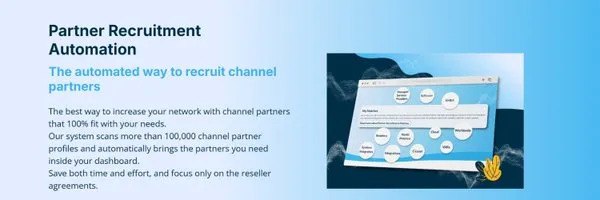

The right database doesn't just help you find more companies. It helps you discover partners that actually match your customers, markets, and long-term growth goals.
Finding potential partners has become easier than ever.
A quick search can reveal thousands of resellers, MSPs, VARs, distributors, and technology providers across different industries.
But access isn't the real problem anymore.
The real problem is knowing which partners are actually worth pursuing.
Many businesses spend weeks collecting company names, building spreadsheets, and contacting potential partners—only to discover that most of them aren't the right fit.
A strong partner network doesn't come from having the longest contact list.
It comes from having the right information before the first conversation begins.
That's why choosing the right channel partner recruitment database matters.
Accurate Partner Information
The value of any database depends on the quality of its information.
A large list might look impressive, but outdated or incomplete data creates more work instead of saving time.
Before choosing a database, companies should consider whether it provides useful details such as:
- Company background
- Partner type
- Industry focus
- Market coverage
- Business specialization
Good information allows teams to spend less time researching and more time building meaningful relationships.
Advanced Search and Filtering Options
A database should make partner discovery easier.
If your team still needs to manually review hundreds of companies, the process hasn't improved much.
Strong search capabilities allow businesses to narrow opportunities based on the factors that actually matter.
For example:
- Location
- Industry
- Technology focus
- Services offered
- Partner category
The faster you identify relevant companies, the faster productive conversations can begin.
Access to Different Partner Types
Modern partner ecosystems include more than traditional resellers.
Depending on your business goals, you may need different types of partners.
This can include:
- Managed Service Providers
- Value-Added Resellers
- Consultants
- System Integrators
- Distributors
A reliable channel partner database should support different partnership models instead of limiting your search to one category.
Different partners create different opportunities.
Market and Industry Relevance
A partner's value is strongly connected to the customers they already serve.
A company with thousands of contacts may not help if those contacts don't match your market.
The right database should help identify partners based on business alignment.
A smaller but highly relevant partner can often create more value than a larger organization with no connection to your target customers.
Better Qualification Before Outreach
One of the biggest reasons recruitment becomes expensive is poor qualification.
Teams spend time contacting companies before understanding whether there's a real opportunity.
Better data helps answer important questions earlier:
Does this company fit our market?
Do they serve similar customers?
Can this partnership create value?
This creates a more focused channel partner recruitment approach and reduces wasted effort.
Easy Partner Comparison
When evaluating multiple potential partners, having organized information is important.
A good database should make it easier to compare opportunities instead of forcing teams to collect details from different sources.
Clear visibility helps businesses make smarter decisions about where to invest their time.
Support for Growth
Your partner needs today may not be the same a year from now.
Maybe you're entering new regions.
Maybe you're targeting new industries.
Maybe you're expanding your product offering.
The database you choose should support future growth, not only immediate recruitment goals.
Scalable resources become more valuable as your ecosystem grows.
Integration With Your Recruitment Process
A database works best when it fits naturally into your existing workflow.
Finding partners is only one stage.
Teams also need to manage conversations, follow-ups, evaluations, and onboarding.
Combining reliable data with organized processes helps businesses move from discovery to partnership more efficiently.
Remember That Data Starts the Relationship
Even the best database cannot replace human connection.
Data helps you identify opportunities.
Relationships create successful partnerships.
Companies still need:
- Clear communication
- Strong onboarding
- Ongoing support
- Shared business goals
Technology helps you find the right companies.
People turn those connections into successful partnerships.
Final Thoughts
Choosing a partner database shouldn't be about finding the biggest list available.
A large number of contacts means very little if those companies don't match your business goals.
The best databases help companies identify relevant opportunities, save research time, and focus their efforts on partners with real potential.
When combined with strong channel partner management, better partner data becomes a foundation for long-term ecosystem growth.
Successful partnerships don't start with reaching more companies.
They start with reaching the right ones.





























Sign in to leave a comment.