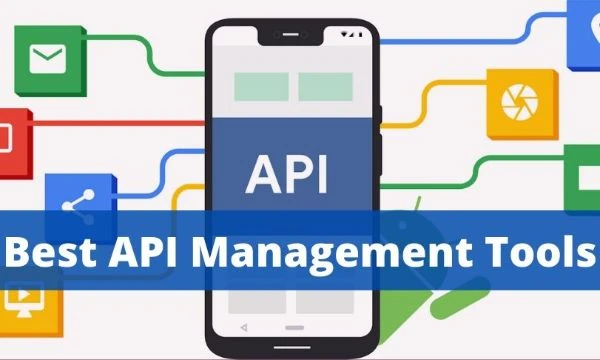

There are two types of API management. These are business and technical API management. If you don’t know already, API is the acronym for Application Programming Interface. It is a technology that allows different applications to communicate and exchange data. Businesses use APIs to streamline integrations and enhance functionality in their systems. You might be using different APIs for your business, and it’s not always easy to manage all of them. However, there are API management solutions that can save you a lot of time.
API management tools differ for businesses and publishers. Both fields require you to prioritize some functions more than others. The management solution that you choose almost entirely depends on your business needs. However, there are some key features that every API management software should have. It is also important to note that API management tools differ from vendor to vendor. Therefore, it is essential to go with someone who will meet your company's requirements.
Below are some of the significant features that every API management solution should have.
1.Documentation
Documentation is an essential feature because it ensures that your team is on the same page. Additionally, they will be aware of what is happening with retired, published, or APIs still being developed. It is also a core feature because it helps to enhance customer relationships. When an API management software has proper documentation, consumers will understand better how to use the software. For companies using internal APIs, adequate documentation makes it simpler for employees to view information related to the API management system.
2.Analytics
Analytics is an essential function of various software. It is used in API for multiple reasons, such as measuring peak traffic times, deducing errors and developer usage, and much more. Usually, this data is displayed through dashboards that can be customized or configured to hasten insight development. This data is also useful because it helps businesses know where to make improvements.
3.Lifecycle management
As you know, businesses change over time, and this might require some software upgrades. Lifecycle or version management is a tool that makes the customer migration process smoother. If the new version or changes are not as user friendly as you thought, this API management tool allows your customers to access the older version. A good API management platform will host both versions and make the user experience much simpler.
4.API gateway
The best way to describe an API gateway is that it’s a tool that connects your customer base to various back-end services. Most online users appreciate it when they find all the services they need in one place. For example, if you have a monetized API, you have to connect your client to a billing system. Some of the common tasks found in an API are rate-limiting, statistics, and authentication.
Some other tools that an API management software should have include security, monetization, a developer portal, and much more. Note that there are various API management vendors in the market. It is best to choose one that is experienced, sustainable and can adapt to future changes in technology and the market.
























Sign in to leave a comment.