

Property marketing increasingly depends on strong visual presentation because buyers often discover homes through online listings before arranging a showing. virtual staging software can help transform empty rooms into realistic furnished scenes, giving viewers a clearer idea of how spaces could be used. Reliable software should combine realistic results, simple controls, efficient processing, and flexible design options. The right solution can make property images more engaging without changing the actual architecture. Professionals should therefore evaluate several important features before selecting software for regular property marketing and photography workflows.
Realistic Furniture Placement
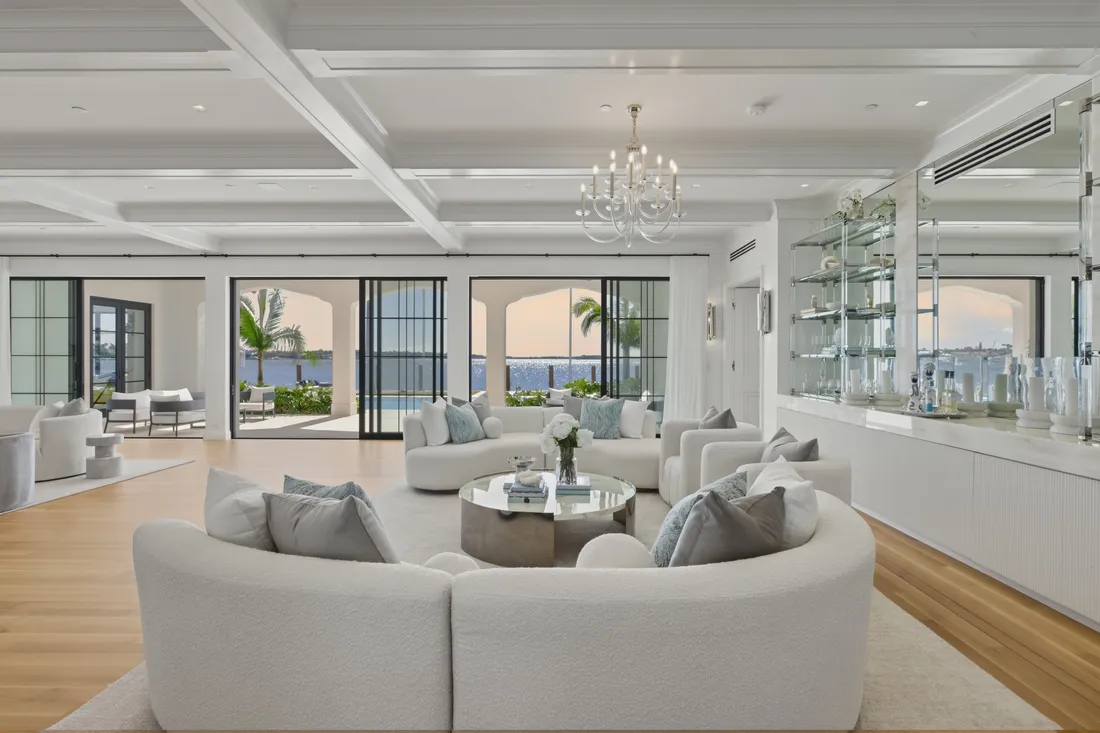
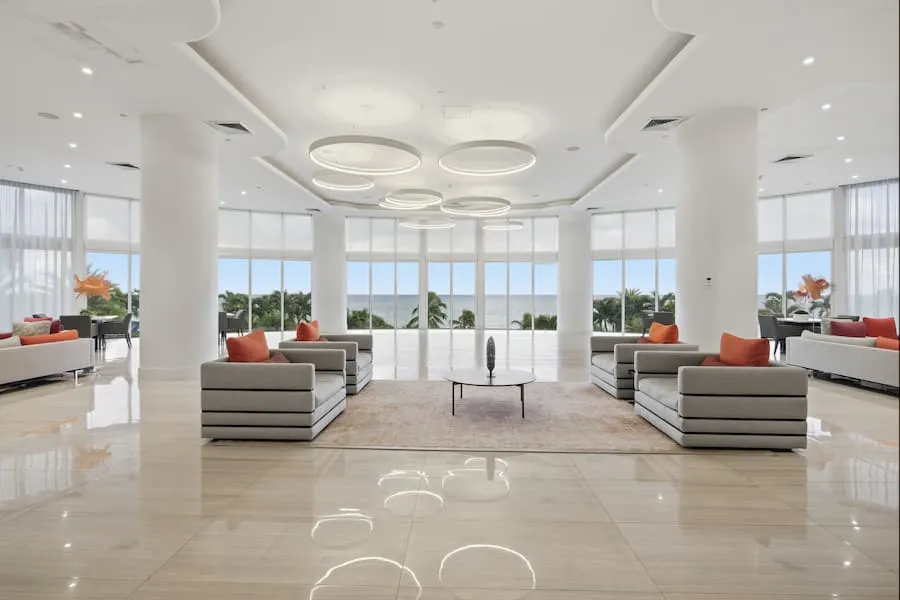
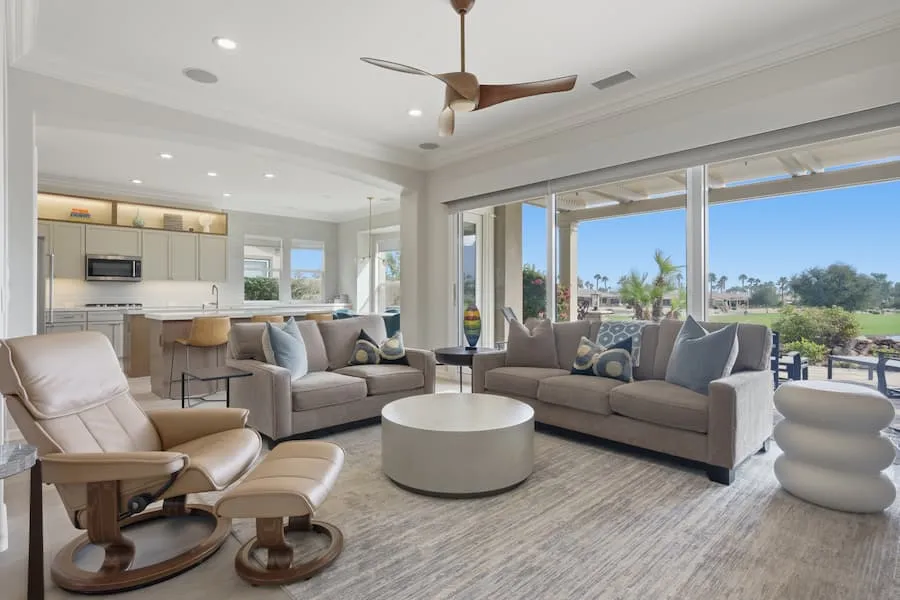
One of the most important features of staging software is the ability to place furniture naturally within a room. Digital sofas, beds, tables, chairs, rugs, and decorations should match the room's proportions and perspective. Poorly scaled furniture can make a photograph look artificial and reduce buyer confidence. Reliable software should understand the available space and position digital elements in ways that appear believable. Furniture should also respect doors, windows, walls, and other architectural features. Realistic placement helps buyers visualize potential arrangements without creating an inaccurate impression of the property.
Appropriate Design Styles
Different properties may appeal to different audiences, so flexible design choices can be valuable. Reliable staging software should provide multiple interior styles that complement various architectural characteristics and buyer preferences. Modern, traditional, minimalist, and comfortable designs can demonstrate different possibilities within the same room. However, style selection should remain appropriate for the property's architecture and target audience. Overly decorative designs may distract from important features. A useful system allows professionals to select furnishings that enhance the room while maintaining a balanced appearance that feels practical and believable.
Accurate Room Proportions
Room proportions are essential when creating convincing staged photographs. Furniture that appears too large can make a room seem cramped, while pieces that are too small may make the space appear larger than it actually is. Reliable software should preserve the original dimensions and perspective of the room while adding appropriately sized furnishings. This helps buyers understand how much usable space is available. Accurate proportions also support transparency because viewers can develop reasonable expectations about the property. Software that maintains spatial relationships can therefore provide greater value than tools focused only on decorative appearance.
Preserving Architectural Features
A staging system should enhance an image without altering important architectural characteristics. Walls, windows, doors, flooring, ceilings, fireplaces, built in cabinets, and other permanent elements should remain recognizable and accurate. Software that accidentally covers or changes these features can create confusion for potential buyers. Reliable tools should allow furniture to be positioned around existing structures rather than modifying them unnecessarily. Preserving architecture ensures that staged images remain useful for visualization while still representing the actual property. This balance is particularly important when photographs are used as part of professional real estate marketing.
Easy to Use Interface
A powerful staging system is more valuable when professionals can operate it without unnecessary complexity. Clear menus, intuitive controls, simple uploads, and straightforward editing options can reduce the time required to prepare images. Users should be able to understand essential functions quickly while still having access to more advanced controls when needed. An easy interface can also reduce training requirements for teams that manage multiple listings. Since property marketing often involves tight deadlines, efficient navigation can make a meaningful difference in productivity and help professionals focus more attention on reviewing final images.
Fast Processing
Processing speed is another important consideration, especially for professionals handling multiple properties. Waiting too long for individual images can slow down the entire marketing workflow. Reliable software should process photographs efficiently while maintaining image quality. Batch processing can provide additional benefits by allowing several photographs to be prepared within a single workflow. Speed should not come at the expense of realism, however. The best solution balances quick processing with accurate furniture placement, natural lighting, appropriate proportions, and high quality output. This combination can help professionals meet deadlines without sacrificing presentation standards.
Customization Options
Every room is different, so staging software should provide enough flexibility to accommodate unique layouts and marketing requirements. Users may need to change furniture styles, remove individual items, reposition decorations, or select alternative arrangements. Customization can help ensure that staged photographs complement the property's architecture instead of applying an identical design to every room. Adjustable options also allow professionals to create several versions of an image for different audiences. A flexible system provides more creative control while still allowing users to maintain realistic and consistent visual presentation throughout an entire property listing.
Lighting and Color Matching
Digital furniture should match the lighting conditions already present in the original photograph. If a room has warm lighting but digitally added furniture appears cool or excessively bright, the staging may look unrealistic. Reliable software should account for existing light direction, brightness, shadows, and color temperature. Matching these elements helps digital furnishings blend naturally into the scene. Proper color integration is equally important because furniture that looks disconnected from the room can immediately reveal that the image has been digitally altered. Realistic lighting and color matching therefore contribute significantly to professional results.
High Quality Image Output
Staged images need to maintain sufficient resolution and clarity for websites, listing platforms, advertisements, and other marketing channels. Low quality output can make furniture appear blurry or reduce the impact of carefully prepared photographs. Reliable software should provide high resolution exports while supporting commonly used image formats. Professionals should also consider whether the system preserves important details during processing and downloading. Consistent output quality ensures that staged photographs remain attractive across different screens. This can help property listings maintain a polished appearance whether buyers view them on desktop computers, tablets, or smartphones.
Final Thoughts
Reliable virtual staging software should provide realistic furniture placement, accurate proportions, architectural preservation, flexible designs, simple controls, fast processing, customization, lighting integration, and high quality image output. These features can help professionals create appealing photographs while maintaining an accurate representation of each property. Transparency remains essential, so digitally added elements should be clearly identified and should never conceal important property conditions. For professionals seeking a dependable visual workflow, AutoHDR can be considered as part of a broader property marketing process. When effective staging is combined with authentic photography and accurate listing information, buyers can better understand a property's potential.

























Sign in to leave a comment.