
Ever walked into a commercial building and noticed how it stays cool in the summer and warm in the winter—without sky-high energy bills? It almost feels like magic. But behind those perfectly controlled temperatures lies a hidden system most people never think about… insulation.
If you’re exploring Commercial Insulation in Des Moines, you might assume there’s just one standard solution used everywhere. The truth is far more interesting—and yes, a bit surprising. Different buildings use different insulation types depending on performance, cost, and long-term value. Let’s uncover what’s really going on behind those walls.
Why Insulation Matters More Than You Think
Commercial buildings are not like homes. They are larger, more complex, and require consistent temperature control across vast spaces. Without proper insulation, energy loss becomes a silent profit killer.
Good insulation doesn’t just regulate temperature—it improves energy efficiency, reduces noise, prevents moisture buildup, and extends the life of the structure. For business owners, that means lower operating costs and a more comfortable environment for employees and customers.
The Most Common Types of Insulation Used in Commercial Buildings
Here’s where things get interesting. There isn’t a one-size-fits-all solution. Instead, contractors choose from several insulation types depending on the building’s needs.
1. Spray Foam Insulation: The Game Changer
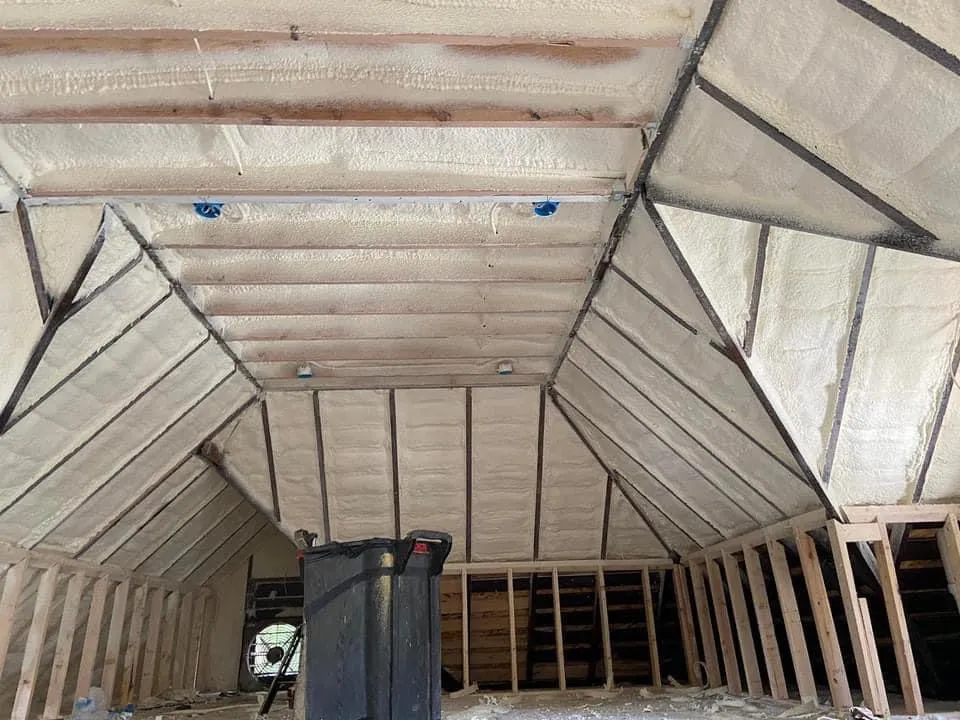
Spray foam insulation is often the “surprising answer” many don’t expect.
It expands on application, sealing every crack and gap. This creates an airtight barrier that significantly reduces energy loss.
Benefits:
- Excellent air sealing properties
- High energy efficiency
- Moisture resistance
- Long lifespan
It’s commonly used in roofs, walls, and hard-to-reach areas. Many modern commercial buildings rely on spray foam because of its superior performance.
2. Fiberglass Insulation: The Traditional Choice
Fiberglass has been around for decades and is still widely used in commercial spaces.
It comes in batts or rolls and is typically installed in walls, ceilings, and floors.
Benefits:
- Cost-effective
- Easy to install
- Fire-resistant
- Good thermal performance
While it doesn’t seal air leaks like spray foam, it remains a reliable option for many projects.
3. Rigid Board Insulation: Strength Meets Efficiency
Rigid boards are commonly used in commercial roofing systems and exterior walls.
They are made from materials like polystyrene or polyisocyanurate and offer strong thermal resistance.
Benefits:
- High insulating value (R-value)
- Durable and moisture-resistant
- Ideal for flat roofs and large surfaces
This type is especially popular in large-scale commercial construction.
4. Mineral Wool Insulation: The Quiet Performer
Mineral wool is gaining attention for its fire resistance and soundproofing abilities.
Benefits:
- Excellent fire protection
- Superior sound absorption
- Water-resistant
- Durable over time
It’s often used in office buildings, hospitals, and schools where safety and noise control are priorities.
How Contractors Choose the Right Insulation
Choosing insulation isn’t random—it’s a strategic decision.
Building Type and Usage
A warehouse, office, and retail store all have different insulation needs. For example, warehouses may prioritize cost, while offices focus on comfort and noise reduction.
Climate Conditions
In regions like Iowa, insulation must handle both extreme cold and heat. That’s why many experts recommend high-performance solutions tailored to local weather.
Right in the middle of evaluating options, businesses often realize that Commercial Insulation Iowa requires a balance between durability and energy efficiency due to seasonal temperature swings.
Budget vs. Long-Term Savings
Some insulation types cost more upfront but save significantly over time. Spray foam is a great example—it may cost more initially but delivers long-term energy savings.
The Installation Process: What to Expect
Understanding the process helps you make better decisions.
Step 1: Assessment
Contractors evaluate the building structure, energy needs, and problem areas.
Step 2: Material Selection
Based on the assessment, they recommend the best insulation type or combination.
Step 3: Installation
Each material has its own method:
- Spray foam is applied and expands
- Fiberglass is fitted into spaces
- Rigid boards are secured to surfaces
Step 4: Inspection
After installation, everything is checked to ensure proper coverage and performance.
The Hidden Benefits Most Owners Overlook
Many business owners think insulation is just about temperature—but it does much more.
- Energy Savings: Lower utility bills year-round
- Comfort: Stable indoor temperatures
- Noise Reduction: Quieter work environments
- Moisture Control: Prevents mold and structural damage
- Sustainability: Reduces carbon footprint
These benefits make insulation one of the smartest investments for any commercial property.
Why Choosing the Right Contractor Matters
Even the best insulation won’t perform well if it’s installed incorrectly.
That’s why working with experienced Commercial Insulation Contractors in Des Moines, IA is critical. Professionals understand local building codes, climate challenges, and the best materials for each project.
They don’t just install insulation—they help you make a long-term investment in your building’s efficiency and durability.
The Bottom Line: It’s Not Just About the Material
So, what type of insulation is used in commercial buildings?
The real answer is: it depends. While spray foam often stands out as a top performer, the best solution usually involves a combination of materials tailored to the building’s needs.
The surprising part? The right insulation can dramatically impact your business costs, comfort, and even property value.
Ready to Upgrade Your Commercial Building?
If you’re considering improving your building’s efficiency, now is the time to act. The right insulation can transform your space and reduce long-term expenses.
At Precision Insulation & Coatings, we specialize in helping businesses choose and install the best insulation solutions for lasting results. Whether you’re upgrading an existing property or starting a new project, our team is here to guide you every step of the way.
Contact Precision Insulation & Coatings today and discover how smarter insulation can make a bigger difference than you ever expected.























Sign in to leave a comment.