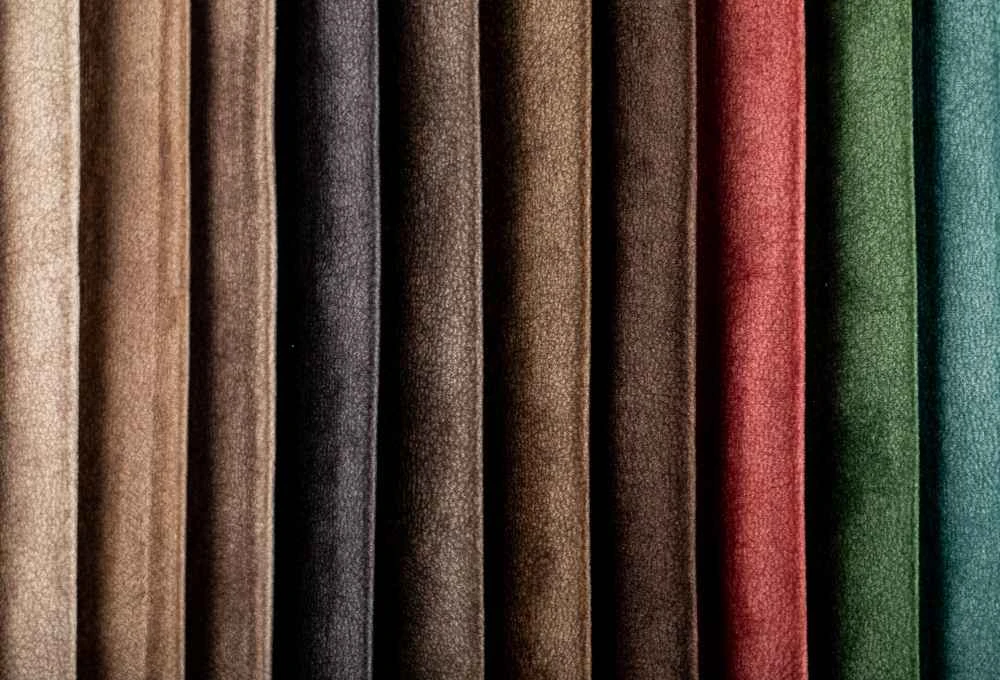

The modern UK office environment has evolved significantly over the past decade, and with it, the approach to interior design and furniture selection. Office upholstery plays a crucial role in creating workspaces that are both functional and aesthetically pleasing. Choosing the right upholstery fabric for office furniture isn't just about looks – it's about durability, maintenance, comfort, and creating an environment that supports productivity and wellbeing.
Leather: The Classic Professional Choice
Leather remains one of the most popular choices for UK office upholstery, particularly in executive suites and boardrooms. Its timeless appeal stems from its association with professionalism and luxury. Genuine leather offers excellent durability and develops a rich patina over time, making it a worthwhile investment for high-traffic areas.
However, leather requires regular maintenance to prevent cracking and fading. Many offices opt for bonded leather or faux leather alternatives that provide similar aesthetics at a lower cost. These synthetic options are often easier to clean and maintain, making them practical for busy office environments.
Wool Blends: Comfort Meets Durability
Wool-based fabrics have gained significant traction in UK offices due to their natural properties. Wool blends offer excellent breathability, which is particularly important in heated office environments. They're naturally flame-resistant and have inherent stain-resistant qualities, making them ideal for professional settings.
The texture of wool provides comfort during long working hours, while its durability ensures the furniture maintains its appearance over time. Many wool blends incorporate synthetic fibres to enhance their performance characteristics, creating fabrics that are both practical and comfortable.
Microfiber: The Low-Maintenance Solution
Microfiber has become increasingly popular in UK offices due to its exceptional easy-care properties. This synthetic fabric is highly resistant to stains and spills, making it perfect for environments where food and drinks are consumed regularly. Its tight weave prevents liquid penetration, allowing for quick cleanup of accidents.
The soft texture of microfiber provides comfort comparable to natural fabrics, while its durability surpasses many traditional options. It's also hypoallergenic, making it suitable for offices with employees who have sensitivities to natural fibres.
Polyester Weaves: Versatile and Affordable
Polyester-based fabrics offer an excellent balance of affordability and performance in office settings. Modern polyester weaves have come a long way from their earlier iterations, now offering sophisticated textures and patterns that rival natural fabrics. They're highly resistant to wrinkles, fading, and wear, making them ideal for high-use office furniture.
The colour retention properties of polyester mean that office furniture maintains its fresh appearance longer, reducing the need for frequent replacements. This makes polyester an economically sound choice for budget-conscious businesses.
Cotton-Polyester Blends: Natural Feel with Enhanced Performance
Combining the natural comfort of cotton with the durability of polyester creates fabrics that are particularly well-suited to UK office environments. These blends offer the breathability and softness of cotton while incorporating the stain resistance and durability of synthetic fibres.
The natural component provides a comfortable seating experience, while the synthetic element ensures the fabric can withstand the demands of daily office use. These blends are often easier to maintain than pure cotton, making them practical for busy workplaces.
Vinyl and Faux Leather: Practical Modern Solutions
Vinyl and high-quality faux leather options have become increasingly sophisticated, offering the appearance of leather without the maintenance requirements. These materials are completely waterproof and can be easily cleaned with standard office cleaning products, making them ideal for environments where hygiene is a priority.
Modern vinyl options come in a wide range of colours and textures, allowing offices to achieve specific aesthetic goals while maintaining practicality. They're also more affordable than genuine leather, making them accessible for businesses with varying budgets.
Performance Fabrics: Innovation in Office Design
The latest trend in UK office upholstery involves performance fabrics specifically designed for commercial use. These high-tech materials incorporate antimicrobial treatments, enhanced stain resistance, and superior durability. Some performance fabrics even include moisture-wicking properties to enhance comfort during long working periods.
These innovative fabrics often meet stringent commercial standards for fire resistance and durability, ensuring they're suitable for professional environments. While they may represent a higher initial investment, their longevity and performance often justify the cost.
Sustainable Options: Environmental Consciousness in the Workplace
Environmental awareness has led to increased demand for sustainable upholstery options in UK offices. Recycled polyester fabrics, organic cotton blends, and fabrics made from recycled materials are becoming more common. These options allow businesses to reduce their environmental impact while maintaining professional standards.
Sustainable fabrics often perform as well as traditional options while providing the added benefit of supporting corporate environmental goals. Many UK businesses are finding that choosing sustainable upholstery aligns with their broader corporate responsibility initiatives.
Colour and Pattern Considerations
While fabric type is crucial, the colour and pattern selection significantly impacts the overall office aesthetic. Neutral tones like greys, blues, and earth tones remain popular in UK offices as they provide versatility and professional appearance. However, there's a growing trend toward incorporating accent colours and subtle patterns to create more engaging workspaces.
Darker colours are practical for high-traffic areas as they hide wear and stains better, while lighter colours can make spaces feel larger and more open. The key is balancing aesthetic goals with practical considerations based on the specific office environment and usage patterns.
Conclusion
Selecting the right upholstery fabric for UK offices involves balancing multiple factors including durability, maintenance requirements, comfort, and aesthetic appeal. While traditional options like leather and wool remain popular, modern synthetic fabrics and performance materials offer compelling alternatives that meet the demands of contemporary office environments.
The key to successful fabric selection lies in understanding the specific needs of your office environment and choosing materials that will perform well over time. Whether you prioritise easy maintenance, environmental sustainability, or luxurious appearance, there are suitable options available in today's market.
For businesses looking to source quality upholstery fabrics, Yorkshire Fabric Shop offers an extensive range of commercial-grade materials suitable for office environments. Located in the United Kingdom, they provide both traditional and contemporary fabric options that meet the diverse needs of modern workplaces.
Frequently Asked Questions
What is the most durable fabric for office chairs?
Microfiber and performance fabrics typically offer the best durability for office chairs, as they resist wear, stains, and fading while maintaining their appearance over time. Leather is also highly durable but requires more maintenance.
How often should office upholstery be replaced?
Quality office upholstery should last 5-10 years with proper care, depending on usage levels and fabric type. High-traffic areas may need replacement sooner, while executive furniture with premium fabrics can last longer.
Are there specific fire safety requirements for office upholstery in the UK?
Yes, UK offices must comply with fire safety regulations. Commercial upholstery fabrics should meet British Standard BS 5852 or equivalent fire resistance standards. Always verify compliance when selecting fabrics for office use.
What's the best fabric for offices with employees who have allergies?
Microfiber and synthetic fabrics are generally best for allergy sufferers as they don't harbour dust mites or other allergens. Some performance fabrics include antimicrobial treatments that further reduce allergen accumulation.
Can office upholstery be professionally cleaned, and how often?
Most office upholstery can be professionally cleaned, though frequency depends on usage and fabric type. Generally, professional cleaning every 12-18 months helps maintain appearance and hygiene, with spot cleaning as needed for spills and stains.




























Sign in to leave a comment.