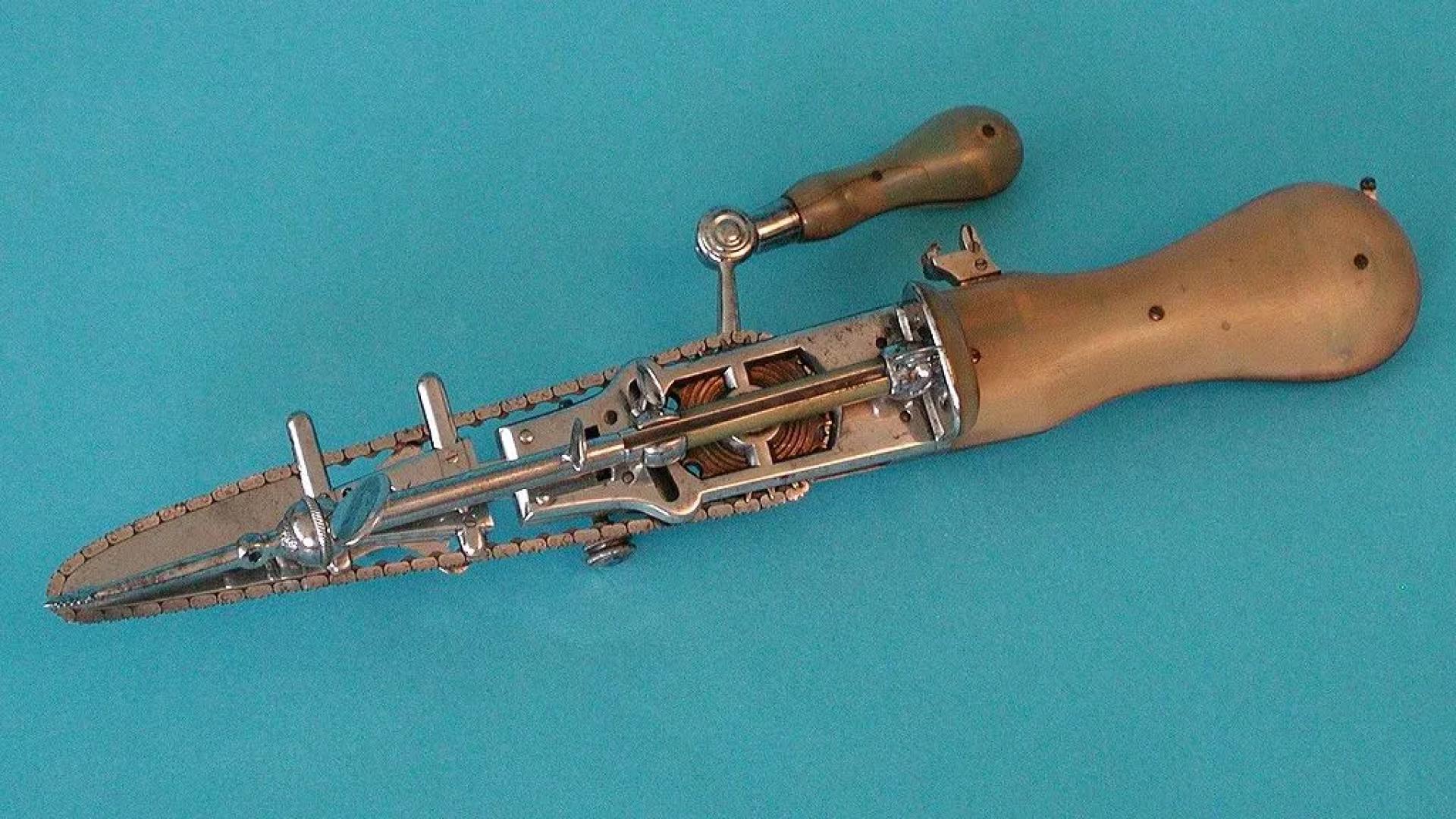

The chainsaw is a tool most commonly associated today with logging, woodworking, and even modern construction. However, its origins are far more surprising and reveal a story steeped in medical innovation and early industrial ingenuity. Understanding what was the original use of a chainsaw provides a unique perspective on how tools evolve over time to meet changing human needs.
The Birth of the Chainsaw: A Medical Invention
Contrary to popular belief, the chainsaw was not initially designed to cut wood. In the 18th century, medical professionals sought more efficient ways to perform surgical procedures, particularly in the field of orthopedics. Early chainsaws were mechanical devices used to remove diseased bone and assist in complex surgeries such as symphysiotomy—a procedure aimed at widening the pelvis during childbirth complications. These medical chainsaws were hand-cranked, and their design focused on precision rather than brute strength, highlighting the innovative mindset of early medical inventors.
This original application underscores an important lesson: tools we often associate with one purpose may have been conceived for entirely different needs. Today’s chainsaw, designed for speed and power, evolved from these delicate, highly specialized instruments.
Transition to Forestry and Woodworking
By the late 19th and early 20th centuries, the chainsaw underwent significant transformations. Engineers and loggers recognized the potential of a mechanized cutting device to revolutionize the timber industry. The focus shifted from precision surgical tools to efficiency in woodcutting. Early timber chainsaws were large, heavy, and required two operators to handle effectively. Despite these limitations, they dramatically increased productivity compared to manual saws and axes.
Modern chainsaws have continued to evolve in response to technological advances. Today’s versions are lightweight, motorized, and capable of handling a variety of tasks, from felling trees to trimming branches and even sculpting ice or stone. Understanding the historical trajectory from medical device to industrial powerhouse offers a fascinating glimpse into the adaptability of human engineering.
The Role of Chainsaw Design and Innovation
The design of the chainsaw has been shaped by both its medical origins and industrial applications. Early chainsaws incorporated a looped chain with cutting teeth, which is still the fundamental mechanism in contemporary models. However, the materials, power sources, and ergonomics have evolved significantly. Modern chainsaws feature gas or electric motors, anti-vibration systems, and safety mechanisms to reduce the risk of injury.
This evolution highlights the importance of innovation and adaptation. The tools we use today often carry echoes of their original purpose. For instance, the precision and control needed in surgical chainsaws influenced the development of chainsaws designed for fine woodworking and detailed cuts.
Chainsaws Beyond Wood: Diverse Applications
While forestry remains a primary use, chainsaws have found applications in other fields as well. Emergency rescue teams use specialized chainsaws to cut through debris during natural disasters. Artists use chainsaws for sculpting wood or ice, creating intricate pieces that blend creativity with technical skill. Even in entertainment, chainsaws have captured public imagination, demonstrating how a tool can transcend its original function to inspire culture and art.
By tracing the question of what was the original use of a chainsaw, it becomes clear that the tool’s versatility and impact extend far beyond any single industry. Its journey from medical device to industrial mainstay and cultural icon reflects the power of human ingenuity and the ability to repurpose technology for new challenges.
Conclusion
The chainsaw, an iconic tool in modern society, began its life in operating rooms, assisting surgeons with delicate bone removal. Over time, it evolved into an indispensable instrument in logging, construction, and artistic expression. By examining the history and transformation of the chainsaw, we gain a deeper appreciation for its design, functionality, and the inventive spirit behind its creation.
Understanding what was the original use of a chainsaw is not only a fascinating historical insight but also a reminder of how technology can evolve in unexpected ways, shaping industries and culture alike. For enthusiasts, historians, and professionals, the story of the chainsaw offers lessons in innovation, adaptation, and the enduring human drive to improve tools for every purpose imaginable.



























Sign in to leave a comment.