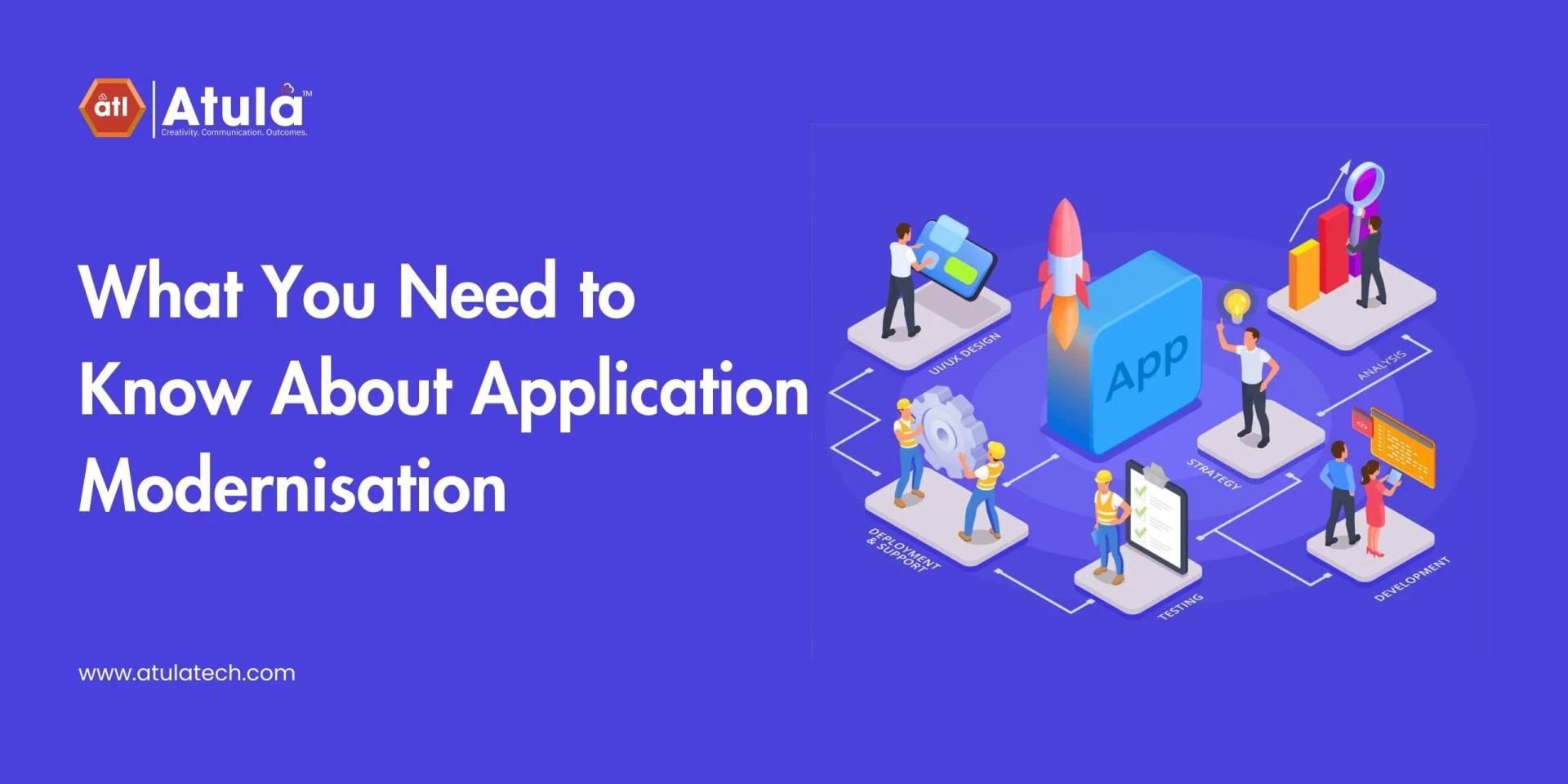

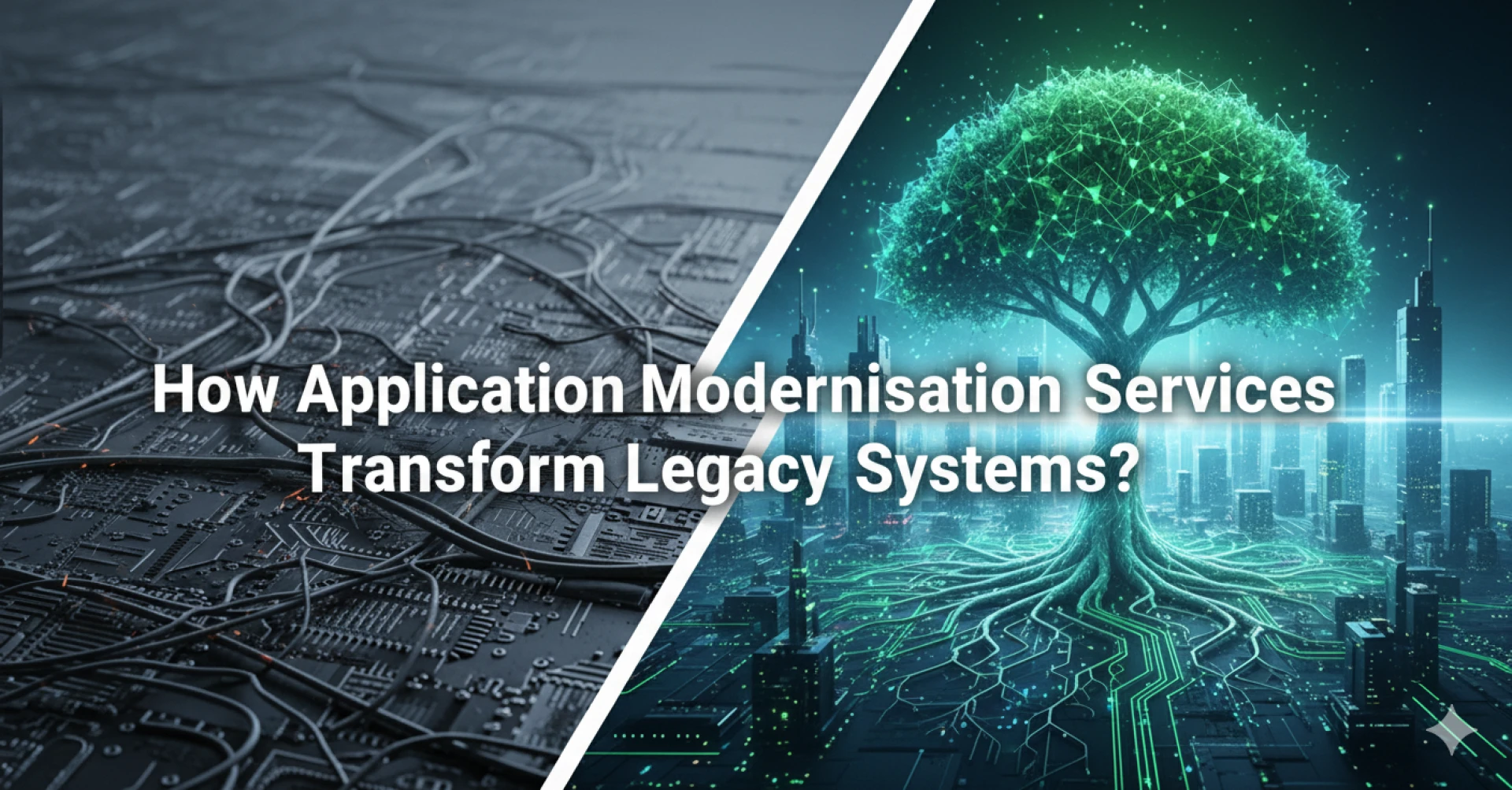
As the digital landscape continues its relentless evolution, organisations are constantly challenged to adapt and innovate. Legacy applications, once the dependable workhorses of many businesses, can now become a burden, hindering agility and stifling the ability to capitalise on new opportunities. This is where application modernisation comes to play a transformative role.
What is Application Modernisation?
Application modernisation is the strategic process of transforming existing software applications to leverage the capabilities of modern technologies, architectures, and development practices. It’s not just about applying a superficial update; it’s a comprehensive overhaul designed to unlock the full potential of the application and empower businesses to thrive in the digital age.
Modernisation breathes new life into legacy systems, enabling them to:
Embrace cutting-edge technologies: Modernisation opens the door to incorporating advancements in cloud computing, artificial intelligence, machine learning, and the Internet of Things (IoT) to enhance application functionality and deliver greater value.
Adopt modern architectures: Legacy monolithic applications can be restructured into cloud-native architectures or microservices-based designs. These architectures promote scalability, flexibility, and resilience, allowing applications to adapt to changing demands and business landscapes.
Utilise modern development practices: Modernisation paves the way for adopting agile development methodologies and DevOps practices. These approaches streamline development lifecycles, foster collaboration between development and operations teams, and enable faster delivery of features and updates.
Key Concepts in Application Modernisation
Several key concepts underpin a successful application modernisation strategy. Let’s delve into some of the most important:
Cloud Adoption: Migrating applications to the cloud is a dominant trend in application modernisation. Cloud platforms offer scalability, elasticity, and access to cutting-edge technologies that on-premises infrastructure often struggles to provide. Public, private, or hybrid cloud environments can be chosen based on specific needs and security considerations.
Microservices Architecture: Breaking down monolithic applications into smaller, independent services (microservices) is a popular approach. This modularity allows for faster development cycles, easier maintenance, and the ability to scale individual services based on demand.
DevOps Practices: Integrating development (Dev) and operations (Ops) teams and workflows is crucial for efficient application modernisation. DevOps methodologies like continuous integration and continuous delivery (CI/CD) enable faster delivery of updates and improved collaboration.
API Economy: Modern applications often rely on APIs (Application Programming Interfaces) to expose functionality and data to other applications and services. APIs facilitate a more connected and agile ecosystem, enabling integration with third-party tools and fostering innovation.
Modernisation Techniques: Depending on the specific application and goals, various Modernisation techniques can be employed. These include containerisation (packaging applications in lightweight containers for portability), container orchestration platforms like Kubernetes for managing containerised deployments and leveraging serverless computing for on-demand scaling.
Benefits of Application Modernisation
The benefits of application Modernisation are numerous and can significantly impact an organisation’s competitiveness and success. Let’s explore some key advantages:
Increased Agility and Innovation: Modernised applications are easier to update and adapt to changing business needs. This allows organisations to respond faster to market trends and opportunities, fostering a culture of innovation.
Improved Scalability and Performance: Modern architectures enable applications to scale up or down based on demand, ensuring optimal performance under varying load conditions. This translates to a better user experience and reduced downtime.
Enhanced Security: Modernisation often involves leveraging cloud security features and implementing more robust security practices. This strengthens application defences against cyber threats and protects sensitive data.
Reduced Costs: Modern applications can be more efficient to operate and maintain. By leveraging cloud infrastructure and automating tasks, organisations can significantly lower IT maintenance costs.
Improved User Experience: Modern applications can be designed with a focus on user-friendliness and provide a more intuitive and engaging experience for end users. This can lead to increased user satisfaction and productivity.
Extended Application Lifespan: Application Modernisation breathes new life into legacy systems. By leveraging modern technologies, organisations can extend the lifespan of their existing applications and avoid the high costs of complete replacement.
Competitive Advantage: Modernised applications enable organisations to keep pace with technological advancements and offer a competitive edge in the marketplace.
Application Modernisation Services
Many organisations partner with application Modernisation service providers to navigate the Modernisation journey. These providers offer a range of services, including:
Modernisation Strategy Development: Assessing existing applications, identifying Modernisation goals, and crafting a roadmap for successful implementation.
Application Refactoring or Re-Platforming: Refactoring legacy code to improve its maintainability or re-platforming applications to leverage modern cloud infrastructure.
Containerisation and Microservices Implementation: Breaking down monolithic applications and containerising them for improved scalability and manageability.
DevOps Integration: Implementing DevOps practices and tools to streamline development and deployment processes.
Security Assessment and Implementation: Evaluating application security posture and implementing modern security best practices.
By embracing modern technologies and approaches, businesses can unlock new levels of agility, security, and efficiency. By understanding the key concepts and potential benefits, organisations can make informed decisions about their application modernisation journey and reap the rewards of a modern and future-proof application portfolio.


























Sign in to leave a comment.