

The budgeting conversation usually starts with a lecture: cut coffee, cancel fun, track every peso, repeat forever. Real life is messier. A Quezon City commute can eat time and transport money before breakfast, a school project can pop up midweek, and one family birthday in the barangay can blow up the neat little spreadsheet you promised yourself you would follow. That is exactly why good budgeting tips matter. They are not supposed to punish you. They are supposed to help you stay steady when life refuses to be tidy.
Recent personal finance coverage has become more honest about that. Nasdaq highlighted budgeting advice that financial experts say people should stop following, while Business Insider reported on classic budgeting rules that may backfire when they are applied too rigidly. That shift matters because many people do not fail budgeting; they fail unrealistic systems.
If you are earning a salary, juggling freelance income, running a sari-sari side hustle, or trying to recover from months of overspending, the goal is not to become perfect. The goal is to make your money behave in a way that supports your daily life and your future plans. That means understanding which tips are useful, which ones are outdated, and how to build a budget that can survive inflation, digital spending, and the temptation of one-tap checkout.
A budget is not a moral test. It is a decision-making tool that helps you direct limited money toward the things that matter most.
That is the heart of it. Once you stop treating budgeting as punishment, you can finally use it as strategy. And strategy is what gets bills paid, emergency funds built, and side hustles turned into something bigger!
Why old-school budgeting advice often breaks in real life
Some budgeting tips sound wise because they are simple. Spend less than you earn. Save first. Avoid unnecessary purchases. Those are fine principles. The problem starts when broad principles turn into rigid rules with no room for irregular income, caregiving costs, transport spikes, rent increases, or simple human behavior.
One of the most common weak spots is the idea that every budget should look the same. The well-known 50/30/20 framework can be helpful as a starting point, and MSN’s budgeting guide outlines several methods clearly. But if your rent and food already consume far more than half your income, forcing yourself into that ratio can create guilt instead of clarity. A call center employee, a public school teacher, and an online seller do not face the same money rhythms, so why should they use exactly the same template?
Another weak tip is the extreme “cut all wants” mindset. That advice can work for a short emergency sprint, but it often fails over time. People burn out. They rebel. They binge-spend after weeks of deprivation. According to Business Insider’s reporting on a financial planner’s advice, some classic budgeting guidance looks smart on paper but becomes unhelpful when it ignores behavior and sustainability. A budget you can follow for 18 months beats a strict one you abandon after 18 days.
Then there is the obsession with small expenses while ignoring the big leaks. Yes, daily takeout adds up. But in many households, the largest financial pressure points are housing, debt interest, transport, subscriptions, and inconsistent income. If you spend hours arguing with yourself over a milk tea but never renegotiate a loan, compare broadband plans, or review automatic renewals, your energy is going to the wrong place.
- Rigid ratios can fail when income is low or expenses are unusually high.
- Deprivation budgets often trigger burnout and rebound spending.
- Micro-cutting distracts from larger fixed costs and debt payments.
- One-size-fits-all advice ignores family obligations and side-hustle realities.
If you want a practical companion piece, this WriteUpCafe guide on budgeting mistakes that cost you more explains how small planning errors become expensive habits. The lesson is simple: a budget should fit your life, not force your life into a shape it cannot hold.
The numbers that matter most when building a usable budget
Many people think budgeting starts with categories. It actually starts with cash flow. Before assigning amounts to groceries, savings, or entertainment, you need a truthful picture of what comes in, what goes out, and when each movement happens. This is especially important if you earn from multiple sources such as salary, commissions, delivery work, tutoring, content creation, or online selling.
Begin with net income, not gross income. Net income is what truly lands in your account or wallet after taxes, contributions, and deductions. If your income varies, calculate a “safe baseline” using the lowest reliable monthly amount from the last six to twelve months. That protects you from building a budget around your best month and then panicking during a slower one.
Next, separate fixed costs from variable costs. Fixed costs include rent, loan payments, tuition, insurance, and internet plans. Variable costs include food, transport, load, utilities, and personal spending. Why does this matter? Because fixed costs are harder to adjust quickly. If your budget keeps failing, your biggest long-term opportunity often lies in reviewing these larger recurring commitments.
Another essential figure is your savings rate, but use this carefully. A healthy savings habit is important, yet the right rate depends on your stage of life. Someone paying off high-interest debt may prioritize debt reduction first. Someone with zero emergency fund may focus on building one month of expenses before investing. Someone supporting parents may need a slower path. Progress still counts.
- List your actual monthly net income from all sources.
- Total your non-negotiable fixed expenses.
- Estimate realistic spending for variable essentials like food and transport.
- Assign targets for savings, debt, and sinking funds.
- Leave room for irregular costs such as gifts, repairs, medicine, and school needs.
This is where many budgets improve fast. They stop pretending irregular costs are surprises. Christmas, enrollment, birthdays, annual app renewals, and appliance repairs are not random if they happen every year. They are predictable enough to plan for. The same goes for side hustlers who know some months are stronger than others. When you build a budget around realistic timing instead of wishful thinking, the whole system becomes calmer.
The most accurate budget is not the prettiest one. It is the one that includes the expenses you usually forget.
If you are new to this process, this beginner-focused WriteUpCafe article on budgeting tips is useful for setting up the basics before you optimize the details.
Budgeting methods that work better when life is unpredictable
A lot of budgeting stress comes from choosing a method that does not match your habits. Some people need structure. Others need flexibility. Some love spreadsheets; others will never open one after the first week. The best budgeting system is the one you will actually maintain on a jeepney ride home, during a lunch break, or while checking orders for your side hustle.
The zero-based budget is powerful for people who want full control. Every peso gets a job: rent, food, debt, savings, transport, and even leisure. This method is detailed and works well when income is stable. Its weakness is that it can feel exhausting if you are balancing freelance payments that arrive at odd times. For variable earners, a modified version often works better: assign essentials first, then percentage-based allocations for the rest.
The cash envelope system still helps many households, especially for categories that are easy to overspend. Food delivery, snacks, beauty spending, and weekend gala are common examples. Even if you do not use physical envelopes, digital sub-wallets can create the same effect. Once the category is empty, you stop or consciously transfer from another category.
Then there is the “pay yourself first” approach. This is simple and effective when paired with automation. The moment income arrives, a fixed amount goes to emergency savings, debt repayment, or a sinking fund. After that, you spend what remains. The reason this works is behavioral: it removes the need to rely on end-of-month discipline, which is usually weakest when bills and stress pile up.
Daily Express, citing advice from TSB Bank, emphasized practical seasonal money habits such as planning ahead for periods of higher spending. That principle can be adapted year-round. Build mini-funds for known pressure points rather than waiting for them to wreck your monthly plan.
- Zero-based budgeting: best for detail-oriented people with stable income.
- Envelope or category caps: best for controlling overspending in flexible categories.
- Pay yourself first: best for building savings consistently with less friction.
- Hybrid budgeting: best for side hustlers and variable earners who need both structure and wiggle room.
There is no medal for using the hardest system. A practical budget is one you can keep adjusting without shame. If your income changes monthly, your budget should change monthly too. That is not failure. That is good management!
What has changed recently, and why budgeting in 2026 feels different
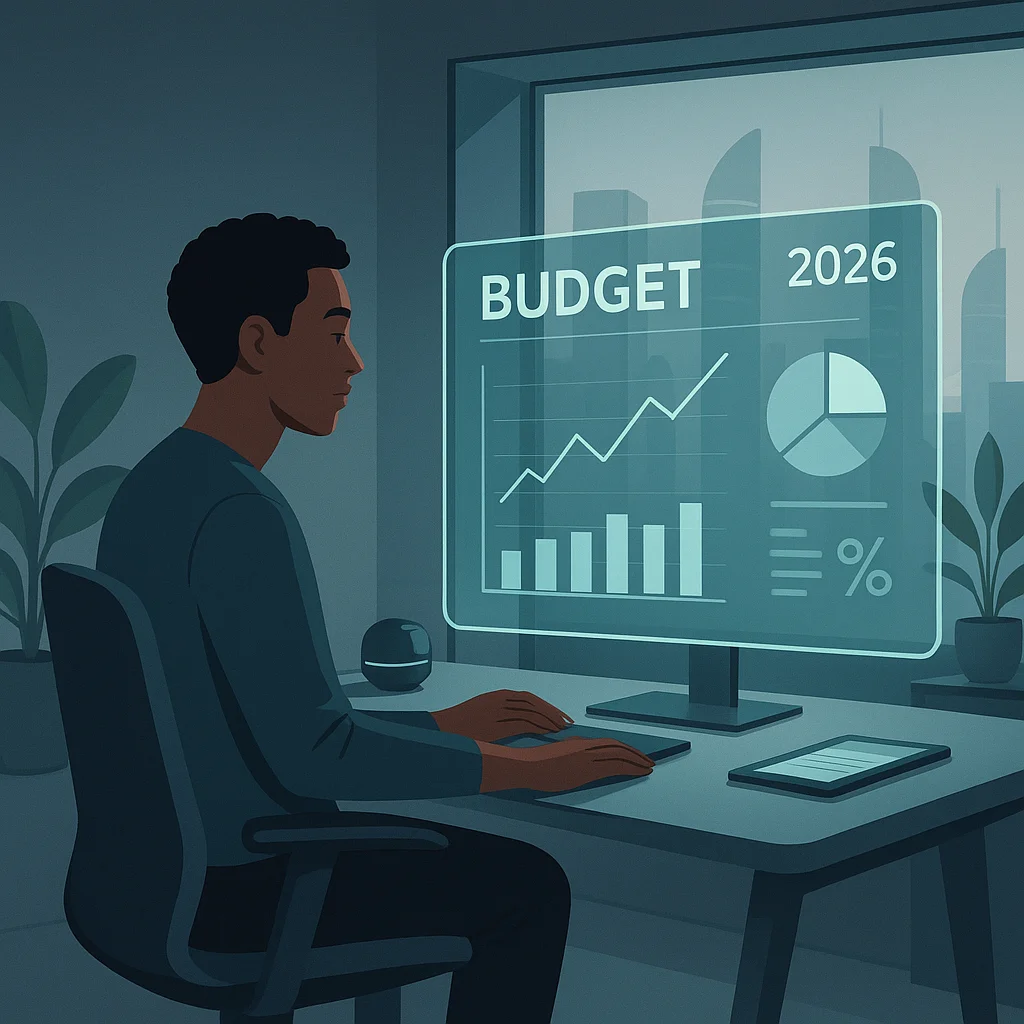
Budgeting in 2026 is not the same as budgeting even a few years ago. The biggest change is frictionless spending. Digital wallets, one-click checkouts, auto-renewing subscriptions, buy now pay later options, and in-app promos make money leave faster and with less emotional resistance. You do not feel the same sting as handing over cash. That convenience is useful, but it can weaken awareness.
Another shift is how households now think about emergency funds. After years of inflation pressure, higher borrowing costs in many markets, and unstable gig income for some workers, more people are treating liquidity as a priority. That means keeping accessible cash reserves instead of putting every extra peso into long-term goals too early. Financial planners quoted in major outlets have repeatedly pointed out that a budget must account for resilience, not just optimization.
Side hustles have also moved from optional to essential for many families. A budget built on salary alone may miss the irregular costs and tax considerations that come with freelance work, online selling, content gigs, or home-based food businesses. If your side hustle income is real, your budget should reflect two things: first, that extra income should not automatically become extra lifestyle spending; second, part of it should cover business inputs, platform fees, delivery costs, and a tax buffer where applicable.
What else changed? Financial content itself became more nuanced. The conversation is less about strict hacks and more about systems. That is why articles like this WriteUpCafe piece on budgeting tips that work are useful companions. They focus on methods that survive real routines instead of fantasy routines.
In 2026, strong budgeting usually includes these newer habits:
- Reviewing subscriptions and recurring digital charges every month.
- Creating a separate sinking fund for annual or seasonal expenses.
- Tracking side-hustle revenue and costs apart from personal spending.
- Using alerts or app notifications to monitor category limits.
- Prioritizing emergency cash before chasing aggressive financial goals.
The broad message is encouraging. You do not need a perfect economy to improve your finances. You need a budget designed for the way money actually moves now.
How to budget when your income is irregular or your side hustle is growing
This is the section I wish more people talked about! Many budgeting guides quietly assume a regular paycheck. But freelancers, commission earners, online sellers, creators, and part-time service providers often have income that swings month to month. If that is you, the first budgeting rule is to stop using your highest-earning month as the standard. Build from your minimum dependable income, then decide in advance what to do with any amount above that baseline.
A smart structure is the percentage split for variable income. For example, after covering business costs, you can assign portions of every extra payment to tax, emergency savings, debt reduction, reinvestment, and personal spending. The exact percentages will vary, but the principle keeps you from treating every good week like a celebration budget.
Next, separate business money from household money. Even a simple second e-wallet or bank account helps. If you sell food trays during fiesta season, do tutoring on weekends, or earn from affiliate work, mixing everything in one account makes it hard to know whether you are truly profitable. It also increases the risk of spending money that should have gone to supplies, shipping, or future inventory.
Another strong move is to create a “buffer month.” This means saving enough to cover one month of essential expenses, so your current month is funded by last month’s income. It takes time, yes, but it changes the emotional tone of money management. You move from reacting to planning. For side hustlers, that breathing room is gold.
Irregular income does not make budgeting impossible. It simply means your budget must be built around priority order, not fixed certainty.
Here is a practical order for variable earners:
- Cover essentials: rent, food, utilities, transport, medicine.
- Set aside business costs and platform-related expenses.
- Build a tax and compliance buffer where needed.
- Fund emergency savings.
- Pay down high-interest debt.
- Reinvest selectively in the hustle only after the basics are secure.
This approach may not look glamorous on social media, but it is the kind that helps a small side hustle survive long enough to become meaningful income. And that is the dream for many of us, right? Not instant wealth, but steady progress that lasts.
The budgeting mistakes that quietly cost more than people expect
Some money mistakes are loud, like missing a loan payment. Others are quiet and sneakier. They drain your finances slowly while making you feel as if you are doing everything right. One common example is underestimating groceries and transport every single month. If your budget says P6,000 but your actual pattern is closer to P8,500, the problem is not your discipline. The problem is your estimate.
Another costly mistake is budgeting with leftovers. This happens when savings become “whatever is left at the end.” For most people, very little is left because spending expands to fill the available space. Even a modest automated transfer can outperform a grand savings target that depends on perfect restraint.
There is also the trap of using debt as a budget patch. Credit cards, cash advance apps, and installment offers can temporarily smooth a rough month, but if they become routine, they hide the fact that your budget is structurally short. According to Reuters reporting over the past several years on consumer finance trends globally, households under pressure often rely more heavily on short-term borrowing. That may ease today’s stress while worsening next quarter’s reality.
Watch out too for the “deserve ko 'to” loophole after small wins. A productive week, a sold-out batch, or a bonus can trigger reward spending that eats the gain. Celebrating is fine. The key is to pre-decide the amount. If 10% of a bonus goes to fun and 90% goes to goals, you still enjoy the moment without sabotaging momentum.
The most expensive budgeting errors usually include:
- Ignoring irregular expenses until they become emergencies.
- Keeping subscriptions and memberships you rarely use.
- Failing to track debt interest and payment deadlines.
- Confusing side-hustle revenue with actual profit.
- Setting savings goals so high that you quit after one bad month.
Good budgeting is not about never making mistakes. It is about catching them early, adjusting fast, and refusing to let one rough month become a permanent pattern.
A practical plan you can start this week
If your budget has been sitting in your notes app untouched, start smaller than your guilt is telling you to start. You do not need a full financial makeover by tonight. You need one honest review and one workable system. First, look at the last 30 to 60 days of spending. Circle the categories that repeatedly go over budget. Then identify one fixed cost to review, one variable cost to cap, and one automatic transfer to set up. That is already meaningful progress.
Second, build three priority buckets: essentials, future you, and flexible spending. Essentials keep the household running. Future you includes emergency savings, debt reduction, and sinking funds. Flexible spending covers fun, convenience, and lifestyle choices. This structure is easier to maintain than dozens of tiny categories, especially if you are busy or easily overwhelmed.
Third, create at least two sinking funds immediately. One should be for annual or irregular bills. The other should be for predictable family and social spending such as birthdays, school events, reunions, or holiday trips. Filipino life is beautifully communal, and that means social spending is not optional in the way many budgeting templates pretend. Plan for it openly instead of acting surprised each time it arrives.
Finally, schedule a weekly money check-in. Fifteen minutes is enough. Review balances, upcoming bills, and any side-hustle income. Adjust before the week gets away from you. Budgeting works best as a rhythm, not a dramatic once-a-month event.
The strongest budget is not the strictest one. It is the one that helps you keep going after an unexpected expense, a slow sales week, or a human mistake.
That is what you really need to know about budgeting tips: the best ones are flexible, honest, and built for your actual life. Not the life of a finance influencer with perfect routines. Not the life of a spreadsheet wizard who never gets invited to a family outing. Your life. Your income. Your goals. Start there, adjust often, and keep moving. A budget that grows with you can do more than cut expenses. It can create breathing room, confidence, and eventually choices. And once you have choices, money stops feeling like a daily ambush and starts feeling like a tool you know how to use!

























Sign in to leave a comment.