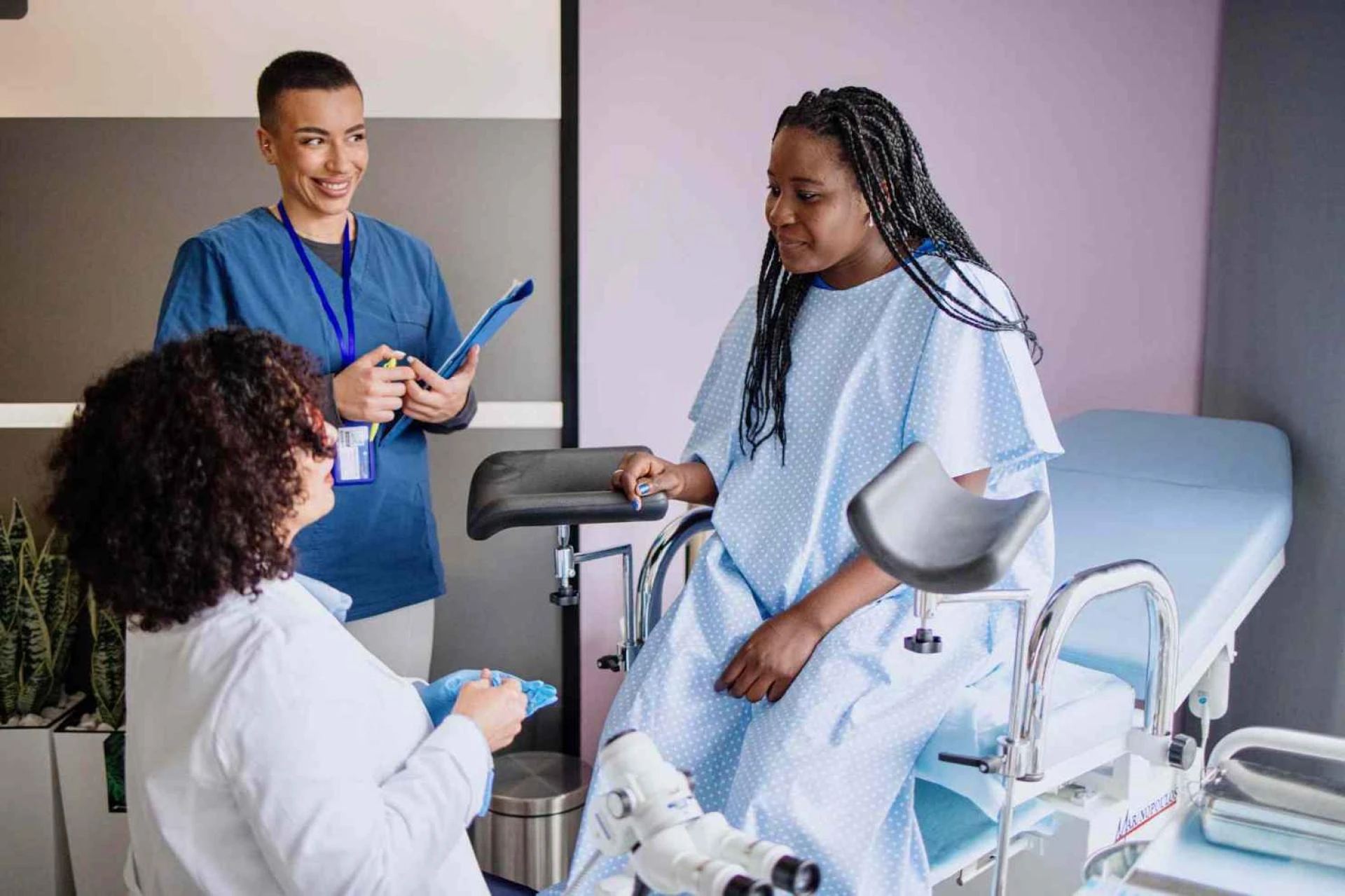

In recent years, In Vitro Fertilization (IVF) has become a beacon of hope for individuals and couples struggling with infertility. As advancements in reproductive technology continue to evolve, the landscape of IVF success rates in the United States is constantly shifting. In this comprehensive guide, we\'ll delve into the crucial aspects of IVF success, exploring key factors, statistics, and insights to empower individuals embarking on their fertility journey. Join us as we navigate the intricacies of IVF success in the United States, shedding light on essential information for prospective parents.
Factors Influencing IVF Success
Age and Fertility
One of the most significant factors influencing IVF success is the age of the individual undergoing treatment. As women age, their ovarian reserve decreases, diminishing the quality and quantity of viable eggs. Statistics show that younger women typically have higher success rates with IVF, highlighting the importance of timely intervention for individuals facing fertility challenges.
Reproductive Health
The overall reproductive health of both partners plays a critical role in IVF success. Factors such as hormone levels, ovarian function, and sperm quality can significantly impact the outcome of treatment. Before embarking on the IVF journey, comprehensive fertility assessments are essential to identify any underlying issues and optimize the chances of success.
Lifestyle Factors
Lifestyle factors, including diet, exercise, and stress levels, can influence fertility outcomes. Maintaining a healthy lifestyle, incorporating nutritious foods, and managing stress can positively impact reproductive health and enhance the effectiveness of IVF treatment. Additionally, avoiding substances such as tobacco and excessive alcohol consumption is crucial for optimizing fertility potential.
Understanding IVF Success Rates
National Statistics
In the United States, IVF success rates vary across clinics and regions, making it essential for individuals to research and select a reputable clinic with a proven track record of success. The Centers for Disease Control and Prevention (CDC) and the Society for Assisted Reproductive Technology (SART) provide comprehensive data on IVF success rates, offering valuable insights for prospective parents.
Clinic Success Rates
When evaluating IVF clinics, it\'s important to consider their specific success rates, which are typically categorized by age group and treatment type. Clinics with higher success rates may indicate superior expertise, technology, and patient care practices. However, it\'s essential to assess other factors such as clinic reputation, patient reviews, and personalized treatment approaches.
Individualized Treatment Plans
Personalized treatment plans tailored to the unique needs of each patient can significantly impact IVF success. Collaborating closely with a skilled fertility specialist who takes into account individual medical history, reproductive health, and preferences can enhance the likelihood of achieving a successful outcome. Open communication and a supportive care team are paramount throughout the IVF journey.
The Role of Egg Donation in IVF Success
Understanding Egg Donation
For individuals facing challenges with egg quality or quantity, egg donation offers a viable solution to achieve pregnancy through IVF. Egg donors undergo rigorous screening and testing to ensure optimal health and fertility, providing intended parents with the opportunity to utilize donor eggs in their treatment. Egg donation can significantly improve IVF success rates for individuals with diminished ovarian reserve or genetic factors impacting fertility.
Partnering with Eggdonors4all
At eggdonors4all, we understand the importance of selecting a reputable egg donor agency to facilitate the egg donation process. With our extensive network of screened and qualified egg donors, we provide intended parents with access to diverse donor profiles and comprehensive support throughout their journey. Our commitment to excellence and personalized care sets us apart as a trusted partner in achieving IVF success.
Overcoming Challenges in IVF Treatment
Dealing with Failed Cycles
Despite advancements in IVF technology, not every treatment cycle results in success. Coping with failed IVF cycles can be emotionally challenging for individuals and couples. It\'s essential to recognize that setbacks are a natural part of the fertility journey and to seek support from healthcare providers, counselors, and support groups. Exploring alternative treatment options, adjusting treatment protocols, or taking a break to focus on physical and emotional well-being can help individuals navigate the ups and downs of IVF treatment.
Financial Considerations
The cost of IVF treatment can be a significant barrier for many individuals and couples. Understanding the financial aspects of IVF, including treatment fees, medication costs, and insurance coverage, is essential for planning and budgeting. Some clinics offer financing options or financial assistance programs to help make IVF more accessible. Additionally, exploring alternative routes such as clinical trials or grants may provide additional avenues for financial support.
Maximizing IVF Success Through Lifestyle Modifications
Nutrition and Supplements
Nutrition plays a crucial role in reproductive health and fertility. Incorporating nutrient-rich foods such as fruits, vegetables, lean proteins, and whole grains can support overall well-being and enhance fertility. Additionally, certain supplements, such as prenatal vitamins, omega-3 fatty acids, and antioxidants, may be beneficial for individuals undergoing IVF treatment. Consulting with a healthcare provider or nutritionist can help individuals develop a tailored diet and supplement regimen to optimize fertility potential.
Stress Reduction Techniques
Managing stress levels is essential for promoting fertility and optimizing IVF outcomes. High levels of stress can negatively impact hormone levels, menstrual cycles, and overall reproductive health. Incorporating stress reduction techniques such as mindfulness, meditation, yoga, and acupuncture can help individuals relax and alleviate anxiety during the IVF process. Prioritizing self-care and engaging in activities that bring joy and relaxation can contribute to a positive mindset and enhance the effectiveness of IVF treatment.
Conclusion
Navigating the complexities of IVF success in the United States requires comprehensive knowledge, personalized care, and access to reputable resources. By understanding the key factors influencing IVF outcomes, researching clinic success rates, and exploring options such as egg donation, individuals can empower themselves to make informed decisions and maximize their chances of achieving their dream of parenthood. At eggdonors4all, we are dedicated to supporting individuals on their fertility journey, providing compassionate care, and helping turn dreams into reality.




























Sign in to leave a comment.