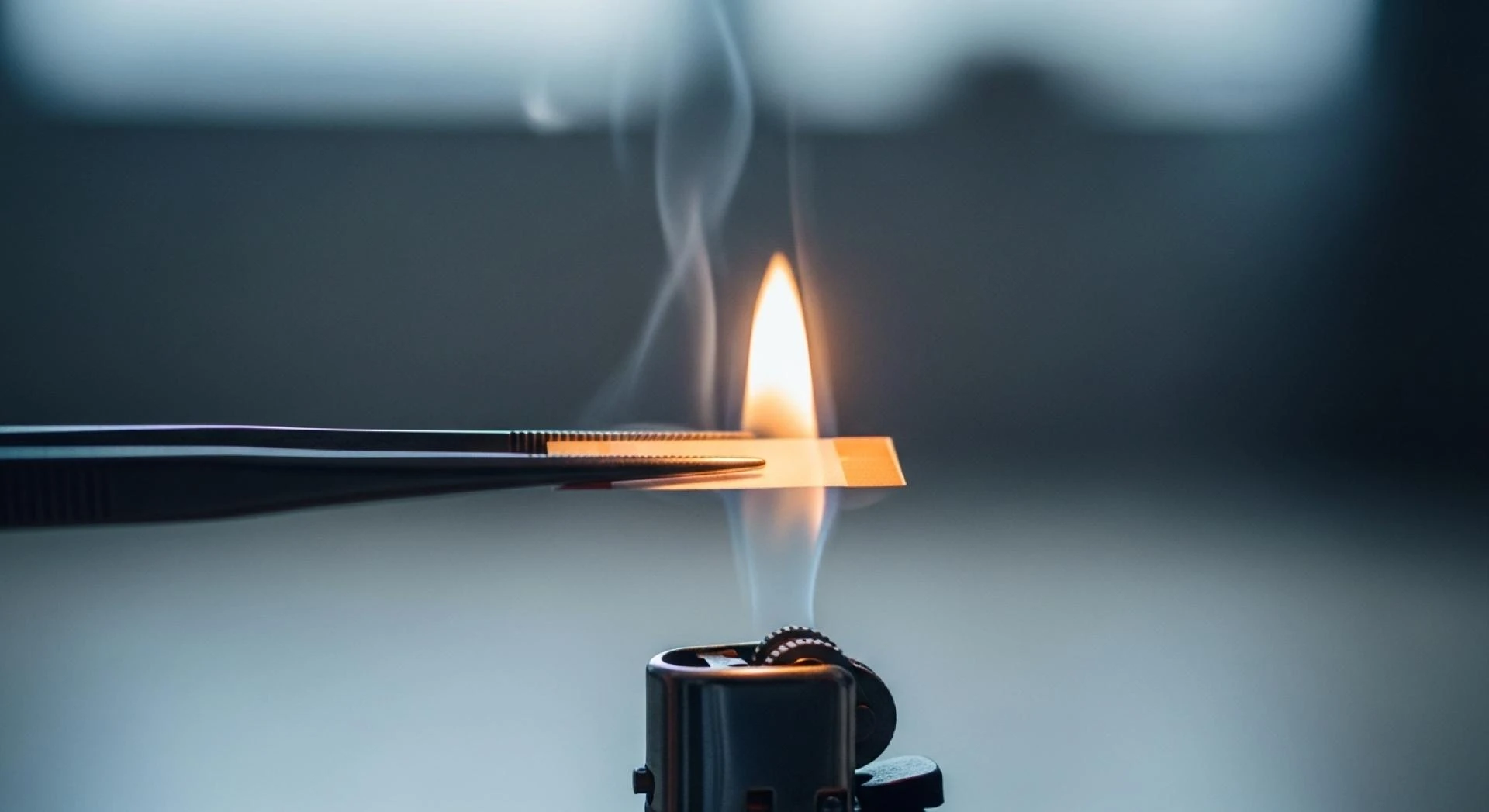

If you’ve ever thought about different ways to use Suboxone, you’re not alone. Many people struggling with opioid addiction wonder whether alternative methods, like smoking Suboxone strips, could make them work faster or stronger. But the truth is, while curiosity is natural, this choice can actually make your recovery harder and riskier. Let’s talk openly about what really happens when someone tries to smoke Suboxone and what safer, smarter paths look like.
Understanding What Suboxone Really Does
Suboxone is a prescription medication designed to help people overcome opioid dependence. It combines buprenorphine, a partial opioid agonist that reduces cravings and withdrawal, with naloxone, an opioid blocker that prevents misuse. When used as prescribed sublingually (under the tongue) Suboxone helps your body stabilize so you can focus on rebuilding your life.
However, smoking Suboxone strips might sound like a shortcut, but it’s not. The medication’s chemical structure isn’t meant to be heated or inhaled. Doing so doesn’t make it more effective; it actually destroys its key ingredients before they can help you.
What Happens When You Try to Smoke Suboxone
When Suboxone strips are smoked, the heat alters the composition of both buprenorphine and naloxone. That means you’re not getting the right dose or the right effect. Instead, you’re exposing your lungs and body to harmful chemicals that weren’t meant to be inhaled.
Some people mistakenly believe that smoking Suboxone creates a stronger high. In reality, it just puts you at higher risk of respiratory issues, liver damage, and overdose. The medication was carefully designed to dissolve in your mouth not to enter your bloodstream through smoke.
Why Smoking Suboxone Can Make Recovery Harder
Addiction recovery is already a deeply personal and challenging process. When you change the way a medication is supposed to work, it can set you back emotionally and physically.
If you smoke Suboxone, you might:
- Reduce its effectiveness, leading to withdrawal symptoms.
- Develop new health problems, especially in your lungs and heart.
- Trigger a relapse, since your treatment plan becomes less stable.
As one addiction specialist once said, “Recovery is built on consistency, not shortcuts.” The more you follow your treatment plan exactly as prescribed, the better your chances of long-term success.
If you’re struggling with how to take Suboxone correctly or feel tempted to alter it, it’s important to get professional support. Talking to your treatment provider can help you understand how your medication works and why sticking to prescribed methods matters.
A Better Way to Manage Cravings and Curiosity
It’s okay to have questions. In fact, asking about Suboxone use shows that you care about your recovery. Many people start wondering about alternative ways of taking it when they feel their treatment isn’t working fast enough.
That’s where professional guidance makes all the difference. If you’re unsure about the safest and most effective way to use Suboxone, you can find helpful information and support through ChoicePoint Health’s resource on smoking Suboxone strips. This guide explains what happens when Suboxone isn’t taken as directed and how to get back on track safely.
You don’t have to figure this out alone. A qualified addiction specialist can adjust your dose, explore behavioral therapies, or recommend lifestyle changes that help your treatment work better.
What Research Says About Misusing Medications
According to a National Institute on Drug Abuse (NIDA) report, nearly 75% of individuals who misuse prescription medications do so in ways that reduce effectiveness or increase health risks.
Studies also show that people who misuse Suboxone often face setbacks in treatment, such as increased cravings and emotional instability. By using Suboxone correctly, you’re giving your body the consistency it needs to heal and helping your mind build healthier habits.
How to Stay Safe and Supported
The best thing you can do is to use Suboxone exactly as prescribed. This ensures the medication works properly and supports your recovery goals. Here are a few practical steps to stay on track:
- Follow medical directions carefully. Don’t adjust your dose or method without professional input.
- Be honest with your doctor if you’re tempted to misuse Suboxone. They’re there to help, not judge.
- Build a support system. Family, friends, and recovery groups can help you stay accountable.
- Focus on progress, not perfection. Every day you use your medication correctly is a step toward long-term stability.
Final Thoughts
Recovery isn’t about perfection it’s about persistence. Smoking Suboxone might seem like a minor change, but it can create major problems for your health and recovery journey. Suboxone was designed to work safely when taken under the tongue, not through smoke.
If you ever feel uncertain or discouraged, reach out to a professional who understands addiction medicine. With the right help and consistent effort, you can build a healthier, more stable life without putting your recovery at risk.



























Sign in to leave a comment.