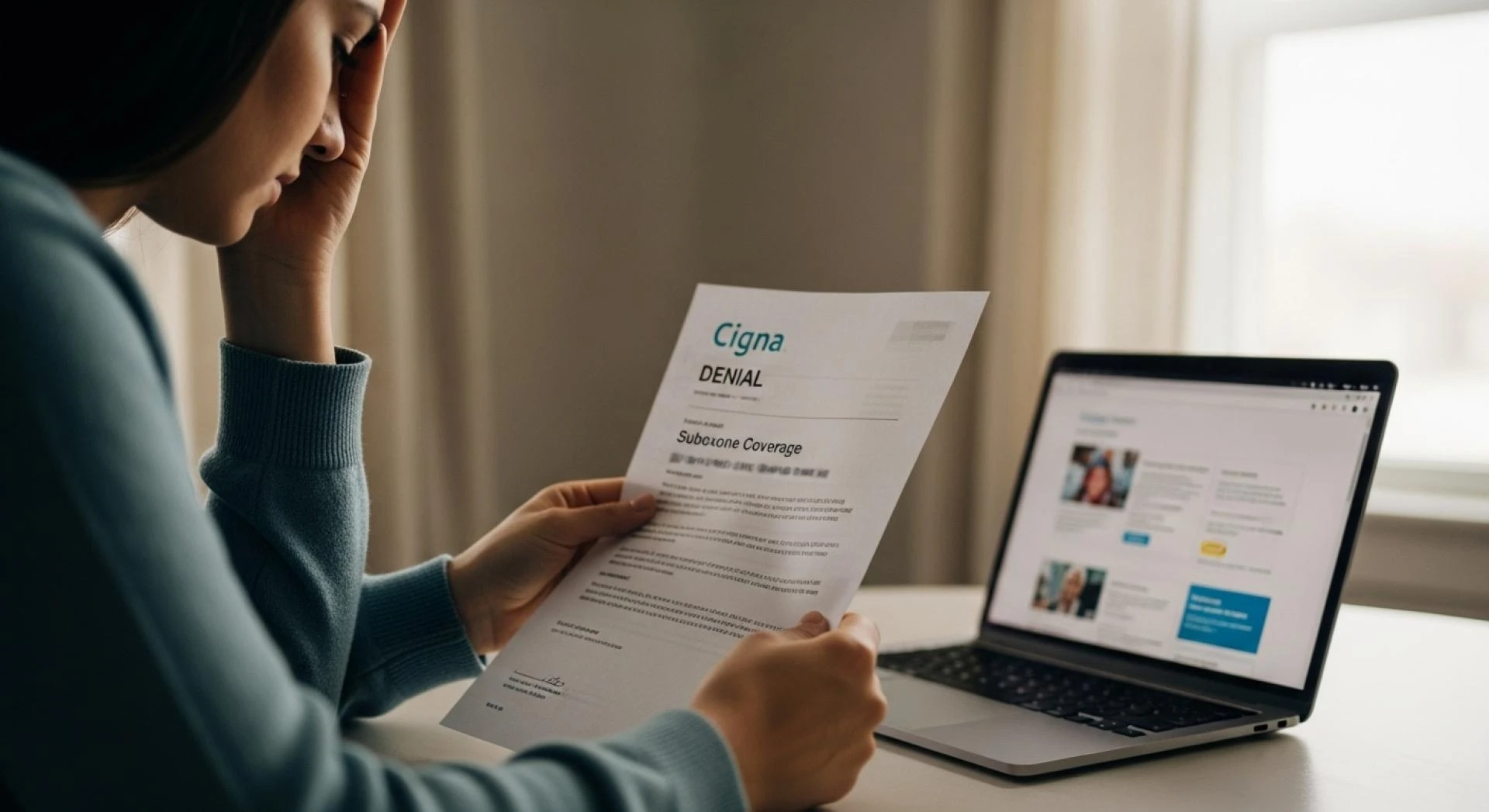

Facing challenges with insurance coverage for Suboxone can be stressful, especially when you're trying to stay on track with your recovery. I’ve seen many people feel frustrated or even helpless when their claims are denied, but there are clear steps you can take to navigate this process and ensure you get the support you need.
Understand Why Your Coverage Was Denied
The first thing I recommend is carefully reviewing the denial notice from Cigna. Insurance companies often provide a reason for their decision, which could range from administrative errors to specific coverage limitations. Understanding the reason gives you a clear starting point for your next steps. Sometimes, coverage may be denied because your plan requires prior authorization or certain documentation from your healthcare provider.
Learning more about how Cigna covers Suboxone can help you understand your options. Other times, it may be due to formulary restrictions, meaning Suboxone might not be listed as a covered medication under your plan. Knowing exactly why your claim was denied helps you prepare a stronger appeal.
Gather All Necessary Documentation
Before you appeal, it’s crucial to collect all relevant medical records and documentation. This includes:
- Prescription details from your healthcare provider
- Records of previous treatments and medications tried
- Notes from your doctor explaining why Suboxone is medically necessary for your treatment
Having this information organized will make the appeal process smoother and show Cigna that your request is supported by clinical evidence.
File an Internal Appeal
Cigna, like most insurance companies, offers an internal appeal process. You can usually submit an appeal online or by mail. When filing, I suggest being clear, concise, and professional. Explain why Suboxone is essential for your recovery and include all supporting documentation.
If you’re unsure how to start, you can check resources like ChoicePoint Health which provides guidance on how to navigate insurance coverage questions for medications like Suboxone. Using their expert advice can make the appeal process less overwhelming and help you understand what to expect next.
Include a Strong Letter from Your Doctor
A detailed letter from your doctor can make a huge difference. Your provider should explain your diagnosis, previous treatments, and why Suboxone is the most effective option for you. A well-documented letter often addresses the exact concerns raised by insurance companies and can turn a denial into approval.
Consider External Review
If your internal appeal is denied, you can request an external review. This is when an independent third-party reviews your case and makes a decision. External reviews are governed by state laws and are designed to provide a fair evaluation of your medical needs.
According to the National Institute on Drug Abuse, having access to approved medications like Suboxone is critical for long-term recovery from opioid use disorder. External review can be a valuable tool if your insurer continues to deny coverage. Source
Explore Alternative Support Options
While working through insurance, I often encourage people to explore additional resources. Some clinics or programs offer patient assistance programs or sliding-scale payment options that can help cover the cost of Suboxone if your insurance is delayed or denied.
It’s also helpful to talk openly with your healthcare provider about any barriers you encounter. They can provide advice, help you file appeals, or suggest temporary solutions until your coverage is approved.
Stay Informed and Persistent
Dealing with insurance denials is rarely simple, but staying informed and persistent pays off. Keep records of all communications, follow deadlines, and don’t hesitate to seek professional support. Many people successfully get coverage after an initial denial, and knowing the right steps makes a big difference.
Remember, advocating for your treatment is part of taking care of yourself. By staying proactive and using all available resources, you can overcome insurance hurdles and maintain the recovery plan that works best for you.
Final Thoughts
Dealing with a Suboxone coverage denial from Cigna can feel frustrating, but taking proactive steps makes a real difference. By understanding the denial, gathering the right documentation, and following the appeal process, you can improve your chances of approval.
Staying informed, persistent, and proactive ensures that insurance obstacles don’t interfere with your recovery. Every step you take toward advocating for your treatment is a step toward long-term health and stability.
































Sign in to leave a comment.