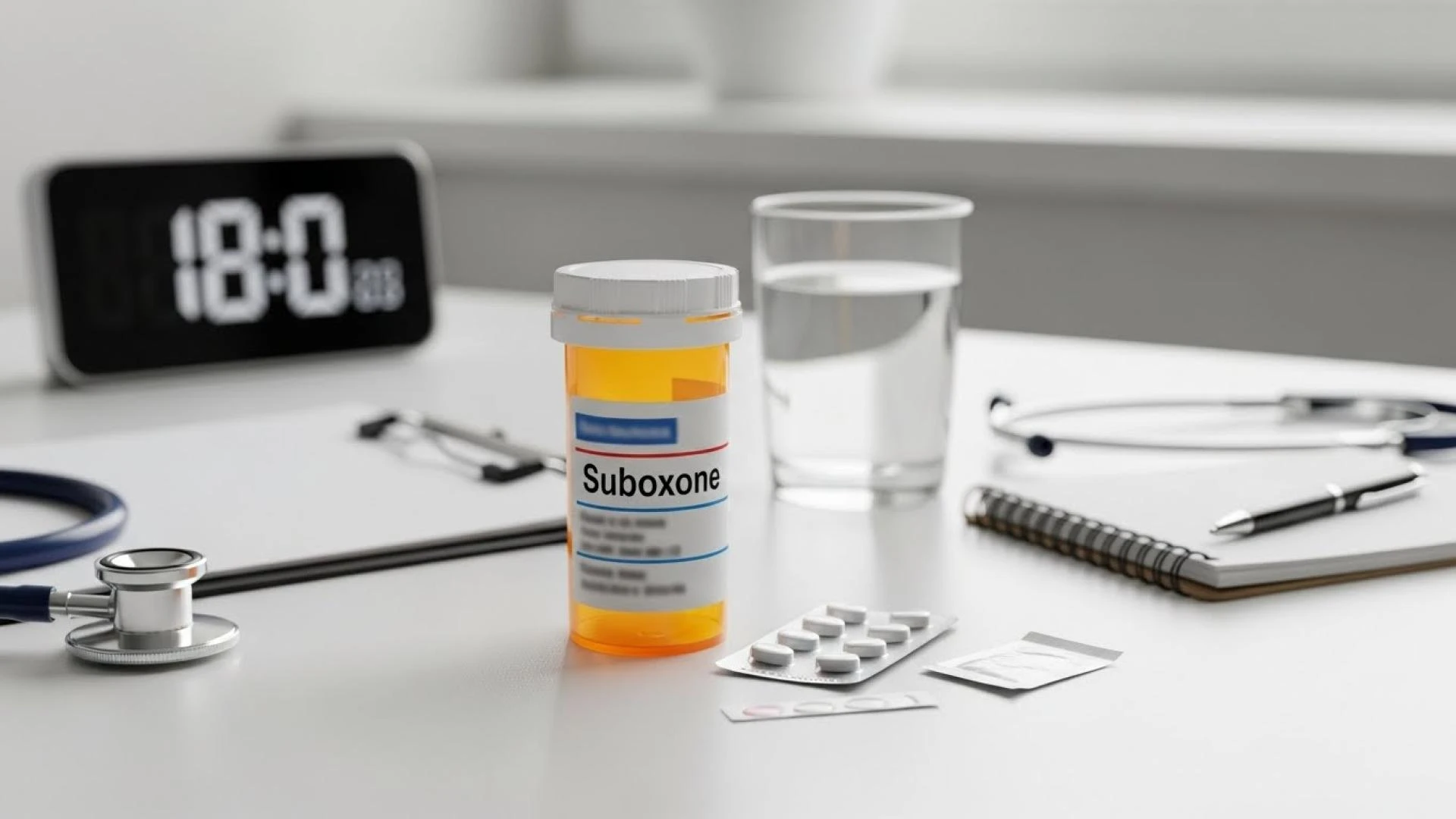

If you’ve ever tried quitting kratom, you know it isn’t always easy. The withdrawal symptoms can be uncomfortable and, at times, overwhelming. Understanding safe and effective ways to ease this process is crucial for anyone considering recovery, and Suboxone may be a tool worth knowing about. It doesn’t solve everything on its own, but when used responsibly, it can make the path to recovery significantly smoother.
How Kratom Withdrawal Affects Your Body
Kratom interacts with the same receptors in your brain that opioids do, which is why stopping suddenly can trigger strong withdrawal symptoms. You might experience anxiety, nausea, muscle aches, insomnia, restlessness, and irritability. The intensity varies depending on your usage patterns, body chemistry, and overall health.
One patient shared, “I thought I could quit on my own, but the cravings and physical discomfort were harder than I expected. Having support and proper guidance made a huge difference.” This highlights why having professional guidance and appropriate medication can make the process more manageable.
Why withdrawal can be so intense
Kratom binds to opioid receptors, which affects how your brain regulates pain, mood, and reward. When you stop using it, your body needs time to readjust, which can take days or even weeks. The symptoms aren’t just physical, emotional and psychological challenges can make the process even more difficult without proper support.
How Suboxone Works for Withdrawal
Suboxone contains buprenorphine and naloxone. Buprenorphine activates opioid receptors enough to reduce cravings and withdrawal symptoms, while naloxone helps prevent misuse. This combination makes Suboxone a widely used medication-assisted treatment for opioid-type dependencies.
By easing withdrawal symptoms, Suboxone allows you to focus on recovery without being debilitated by physical discomfort or intense cravings. It doesn’t “cure” addiction on its own, but it provides a safer, medically supervised path through a challenging period.
Benefits of medically supervised use
- Reduces severity of withdrawal symptoms
- Helps prevent relapse by controlling cravings
- Supports gradual detox and recovery
- Ensures proper dosing and monitoring by healthcare professionals
- Provides a structured approach that increases success rates
Using Suboxone under professional supervision allows you to progress safely while learning coping strategies for long-term recovery.
Learn How Suboxone Can Support Recovery
If you want a detailed, medically accurate explanation of how Suboxone can help with kratom withdrawal, this guide on using Suboxone for kratom withdrawal provides helpful insights. It explains the process, benefits, and precautions so you can make informed decisions under medical supervision.
Having this information gives you confidence and reduces anxiety about managing withdrawal safely. Knowing that there is a reliable method to support your body can make the decision to quit much less intimidating.
Safety and Considerations
While Suboxone is effective, it must be used responsibly. Only take it under a healthcare provider’s supervision, as incorrect use can lead to complications or dependence. Your provider will assess your health history, current medications, and withdrawal severity to create a personalized treatment plan.
Possible side effects
- Mild nausea or constipation
- Headache or dizziness
- Sleep disturbances
Most side effects are temporary and manageable when monitored by a professional. If you experience anything severe, your healthcare provider can adjust your treatment safely.
How Science Supports Suboxone Use
Studies show that medication-assisted treatment, including Suboxone, improves success rates in opioid-type withdrawals. According to the National Institute on Drug Abuse, using medications like Suboxone in combination with counseling or therapy leads to better recovery outcomes, reduces the likelihood of relapse, and improves overall well-being.
Knowing the evidence behind these treatments can help you trust the process and take steps toward recovery with less fear and uncertainty.
Tips for a Smooth Recovery
- Follow your doctor’s instructions closely
- Maintain hydration and balanced nutrition
- Get adequate rest to help your body heal
- Seek counseling or support groups for additional guidance
- Avoid self-medicating or taking unverified supplements
- Track your symptoms to discuss them with your provider
These measures, combined with Suboxone under professional supervision, can make kratom withdrawal safer and more manageable.
Final Thoughts
Kratom withdrawal can be challenging, but it doesn’t have to be an overwhelming experience. Suboxone offers a medically supported way to reduce symptoms, manage cravings, and take a safer step toward recovery. Understanding how it works, following professional guidance, and combining it with supportive habits can make the process more predictable and less stressful.
Recovery is possible, and with the right tools and knowledge, you can navigate kratom withdrawal safely and confidently. Taking proactive steps and relying on medically backed solutions ensures you are giving yourself the best chance at a healthier future.































Sign in to leave a comment.