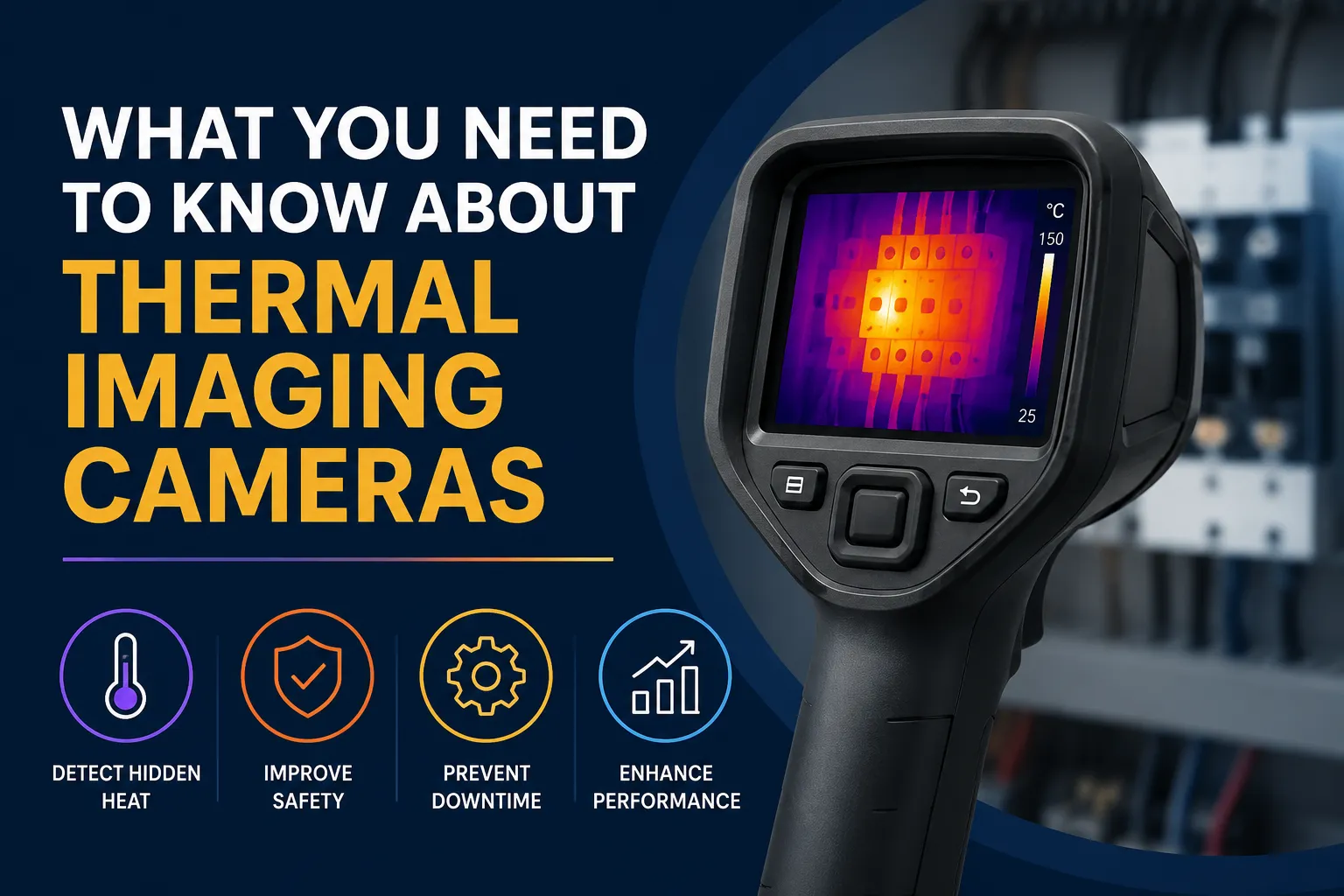

What You Need to Know About Thermal Imaging Cameras
Electrical systems often show warning signs before a failure occurs, but many of these signs remain invisible to the naked eye. Excess heat caused by loose connections, overloaded circuits, or failing components can develop long before equipment stops working. A thermal imaging camera helps detect these hidden issues by capturing temperature differences, allowing electricians and maintenance professionals to identify potential problems early.
Whether you're responsible for industrial equipment, commercial facilities, or residential electrical systems, understanding how thermal imaging works can improve safety, reduce downtime, and support preventive maintenance. This guide explains what you need to know about thermal imaging cameras, their applications, and the features to consider before choosing one.
What Is a Thermal Imaging Camera?
A thermal imaging camera is a device that detects infrared radiation and converts it into a visible thermal image. Instead of capturing ordinary photographs, it displays heat patterns across the surface of an object.
Warmer areas appear in different colours from cooler areas, making it easy to identify abnormal temperature changes. Since excessive heat often indicates an electrical fault, thermal imaging has become an essential inspection tool across many industries.
Unlike traditional inspection methods, thermal imaging allows professionals to examine equipment without dismantling it, helping reduce inspection time while improving safety.
How Does a Thermal Imaging Camera Work?
Every object emits infrared energy based on its temperature. A thermal imaging camera detects this energy using specialised sensors and converts it into an image called a thermogram.
The camera highlights temperature differences that may indicate issues such as:
- Loose electrical connections
- Overloaded circuits
- Damaged insulation
- Failing motors
- Overheating switchboards
- Uneven load distribution
By identifying these issues early, maintenance teams can plan repairs before equipment experiences unexpected failure.
Why Are Thermal Imaging Cameras Important?
Electrical equipment operates more efficiently when temperatures remain within their recommended range. Even a small increase in temperature can signal an underlying problem that may worsen over time.
Using a thermal imaging camera offers several advantages:
- Detect hidden electrical faults before they become serious.
- Improve workplace safety.
- Reduce unexpected equipment failures.
- Minimise costly downtime.
- Support preventive maintenance programmes.
- Extend the lifespan of electrical assets.
These benefits make thermal imaging valuable across manufacturing facilities, commercial buildings, data centres, hospitals, and industrial plants.
Common Applications of Thermal Imaging Cameras
Although thermal imaging has many uses, electrical inspections remain one of its most important applications.
Professionals commonly use thermal imaging cameras for:
Electrical Switchboards
Loose terminals and overloaded breakers often generate excessive heat. Thermal imaging helps locate these hotspots before they lead to equipment damage.
Distribution Panels
Uneven electrical loads can increase temperatures across distribution panels. Regular inspections help identify components requiring maintenance.
Motors and Pumps
Electric motors naturally produce heat during operation. However, abnormal temperature increases may indicate bearing wear, mechanical stress, or electrical imbalance.
Power Distribution Systems
Large electrical installations benefit from routine thermal inspections to identify overheating cables, connectors, and transformers.
Preventive Maintenance
Rather than waiting for equipment to fail, maintenance teams use thermal imaging to monitor asset condition and schedule repairs at the right time.
Handheld Thermal Imaging Cameras
A handheld thermal imaging camera provides flexibility for technicians working across multiple locations. Its portable design allows quick inspections without requiring permanent installation.
Handheld models are commonly used for:
- Electrical maintenance
- Building inspections
- Mechanical equipment checks
- HVAC inspections
- Renewable energy systems
- Facility maintenance
Their portability makes them particularly useful for routine inspections where technicians need to move between different assets throughout the day.
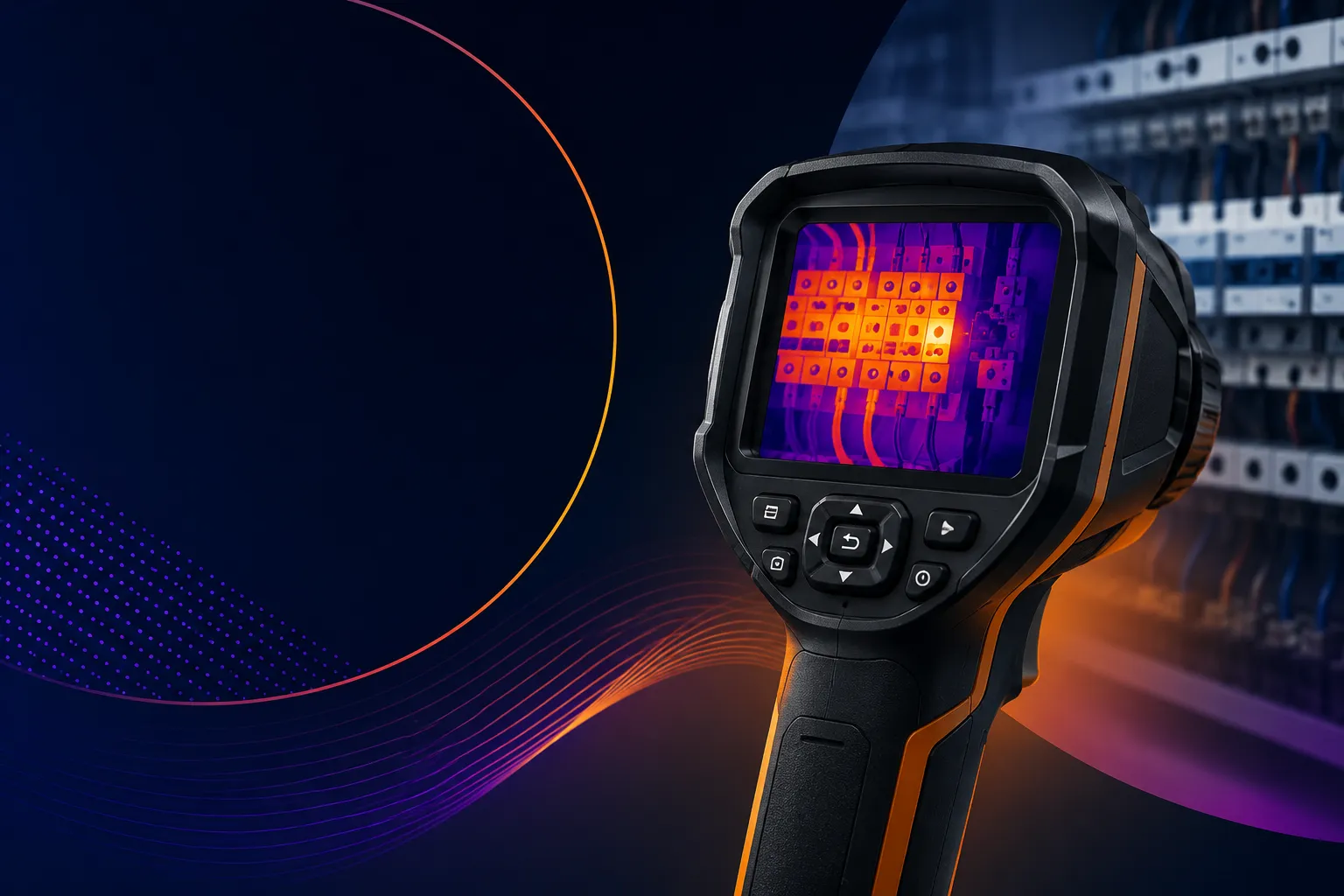
Features to Consider Before Choosing a Thermal Imaging Camera
Not every thermal imaging camera offers the same capabilities. Selecting the right model depends on the environment, inspection requirements, and level of detail needed.
Some important features include:
Image Resolution
Higher resolution provides clearer thermal images, making it easier to identify small hotspots.
Temperature Range
Choose a camera with a temperature range suitable for your inspection work.
Thermal Sensitivity
Greater sensitivity allows the camera to detect subtle temperature differences that may otherwise go unnoticed.
Image Storage
Built-in storage enables technicians to save thermal images for future comparison and maintenance records.
Battery Life
Longer battery life supports extended inspections without interruption.
Durability
Industrial environments often expose equipment to dust, moisture, and accidental impacts. A durable camera performs more reliably under demanding conditions.
Thermal Imaging and Other Electrical Test Equipment
A thermal imaging camera provides valuable temperature data, but it works even better when combined with other electrical testing equipment.
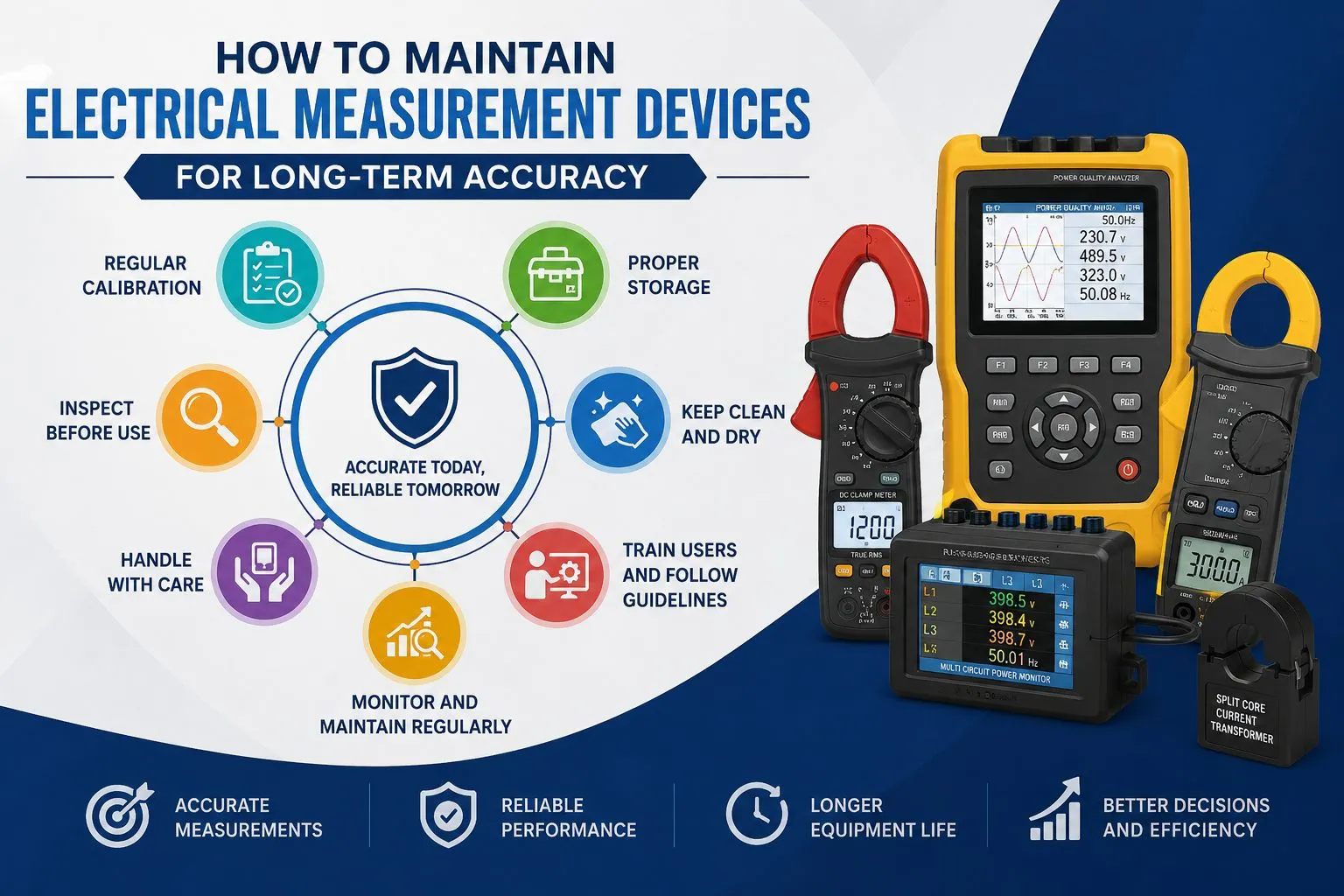
For example, a true RMS clamp meter accurately measures current and voltage under varying electrical loads. When thermal imaging identifies an overheating component, a clamp meter helps verify whether abnormal electrical readings are contributing to the issue.
Similarly, an electrical power point tester provides a quick way to confirm socket wiring and identify common wiring faults during electrical inspections.
Using multiple diagnostic tools together gives electricians a more complete understanding of an electrical system's condition.
Common Mistakes When Choosing a Thermal Imaging Camera
Buying the right thermal imaging camera involves more than comparing prices. Choosing a model that doesn't match your inspection needs can limit its effectiveness and lead to inaccurate results.
Some common mistakes include:
- Choosing a camera based only on cost.
- Ignoring image resolution and thermal sensitivity.
- Selecting a model with an unsuitable temperature range.
- Overlooking battery life for longer inspections.
- Buying without considering reporting or image storage features.
Before making a decision, think about where the camera will be used and the level of detail your inspections require.
Building a Complete Electrical Inspection Toolkit
While a thermal imaging camera is an essential diagnostic tool, it forms part of a broader inspection process. Many electrical professionals rely on additional equipment to confirm findings and carry out safe testing.
For example, test leads for multimeter measurements help verify voltage, continuity, and resistance after a thermal inspection identifies a potential fault. Using high-quality leads improves measurement accuracy and supports safer testing practices.
Similarly, a multimeter test leads kit provides a range of probes and accessories suitable for different testing environments. Having the right accessories available allows technicians to work more efficiently across various electrical systems.
Who Can Benefit from a Thermal Imaging Camera?
Thermal imaging technology supports professionals across many industries, not just electricians.
Common users include:
- Electrical contractors
- Industrial maintenance teams
- Facility managers
- Manufacturing plants
- Commercial property managers
- Renewable energy technicians
- HVAC engineers
- Building inspectors
Whether inspecting a single electrical panel or an entire industrial facility, thermal imaging provides valuable information without interrupting normal operations.
Tips for Getting the Best Results
Using a thermal imaging camera correctly helps produce more reliable inspection results.
Follow these best practices:
- Inspect equipment while it is operating under normal load.
- Compare similar components under the same conditions.
- Record images for future maintenance comparisons.
- Investigate unusual temperature differences rather than relying on colour alone.
- Combine thermal imaging with electrical testing to confirm faults before carrying out repairs.
A systematic inspection process helps identify issues earlier and supports long-term maintenance planning.
Where to Buy Reliable Electrical Testing Equipment
Choosing quality testing equipment is just as important as selecting the right inspection method. Purchasing from a trusted electrical supplies store gives you access to reliable products designed for professional use.
Whether you need a thermal imaging camera, a true RMS clamp meter, an electrical power point tester, or a multimeter test leads kit, using dependable equipment improves inspection accuracy and supports safer working practices.
Find the Right Thermal Imaging Camera for Your Needs
A thermal imaging camera has become one of the most valuable tools for modern electrical inspections. It helps identify hidden faults, improves workplace safety, reduces unexpected downtime, and supports preventive maintenance across residential, commercial, and industrial environments.
Choosing the right camera depends on your inspection requirements, the environments you work in, and the features that matter most to your daily tasks. Investing in quality equipment today can help prevent costly failures in the future.
At CHKSHOP, you'll find a wide range of professional electrical testing equipment, including thermal imaging cameras, clamp meters, power testing instruments, and other trusted solutions to support accurate and efficient electrical inspections.
FAQs
1. What is a thermal imaging camera used for?
A thermal imaging camera detects heat differences on the surface of equipment and structures. It is commonly used for electrical inspections, preventive maintenance, mechanical diagnostics, building inspections, and identifying overheating components before they fail.
2. Can a thermal imaging camera detect electrical faults?
Yes. A thermal imaging camera can identify abnormal heat patterns caused by loose connections, overloaded circuits, faulty components, or electrical imbalances. It helps technicians locate potential problems without dismantling equipment.
3. Why is a handheld thermal imaging camera useful?
A handheld thermal imaging camera offers portability and flexibility, making it ideal for inspecting switchboards, motors, distribution panels, HVAC systems, and other electrical equipment across different locations.
4. Is a thermal imaging camera better than a standard digital camera?
Yes. Unlike a standard digital camera, a thermal imaging camera detects infrared heat rather than visible light. This allows it to reveal temperature variations that cannot be seen with the naked eye.
5. Should a thermal imaging camera be used with other electrical testing tools?
Yes. For accurate diagnostics, professionals often use a thermal imaging camera alongside tools such as a true RMS clamp meter, electrical power point tester, and test leads for multimeter to confirm electrical measurements and identify the root cause of a fault.






















Sign in to leave a comment.