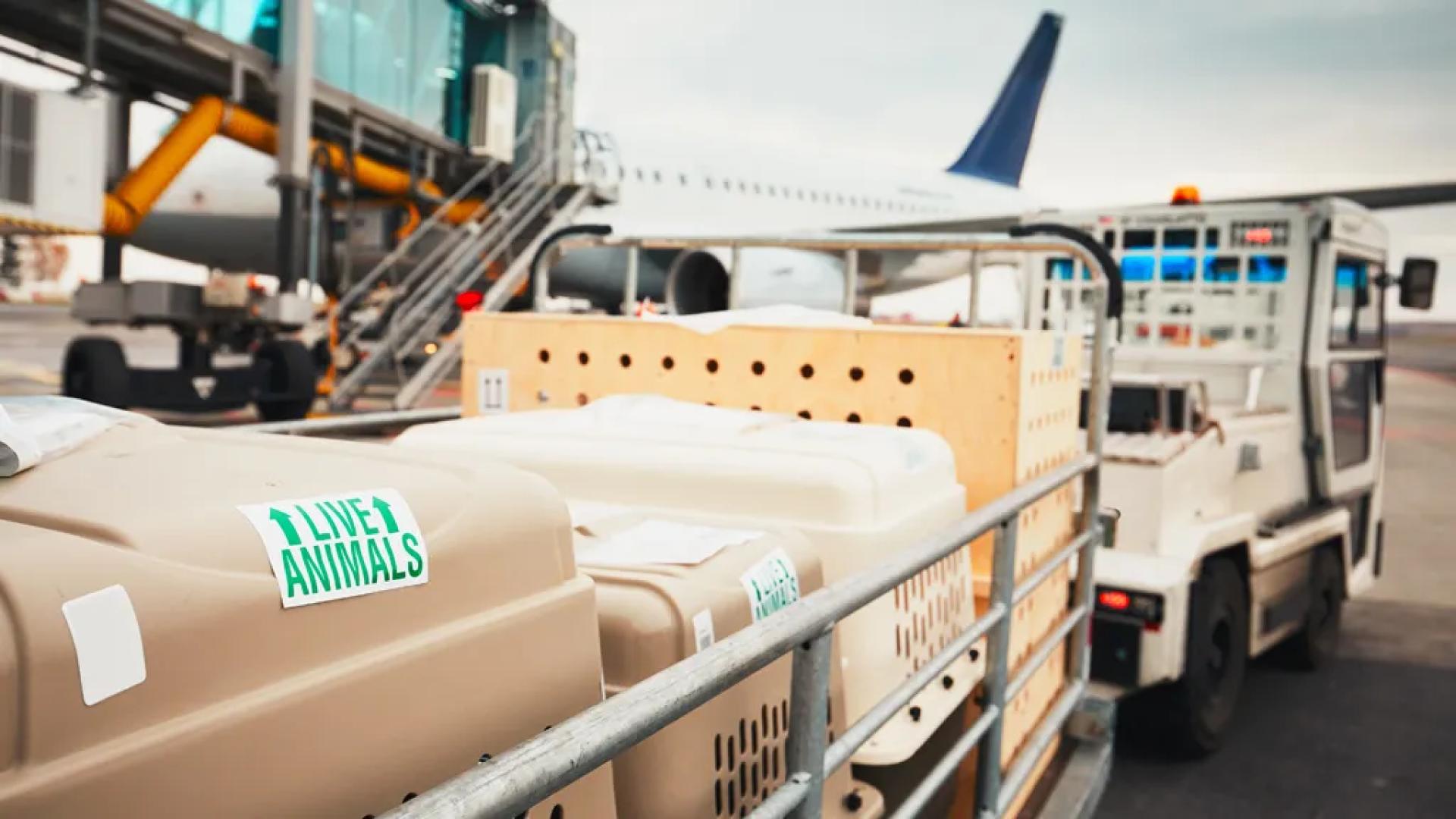

Shipping live animals can be a complex process, requiring careful planning and adherence to strict regulations. Whether you're transporting reptiles, birds, or small mammals, ensuring their safety and well-being is crucial. In this guide, we'll walk you through everything you need to know before shipping live animals, including legal requirements, packaging essentials like an insulated shipping box, and best practices for a successful shipment.
Understanding the Legal and Regulatory Requirements
Before shipping any live animal, it's essential to familiarize yourself with the rules and regulations governing animal transportation. These regulations can vary depending on the species, destination, and shipping method. Here are some key points to consider:
Federal and State Laws:The U.S. Department of Agriculture (USDA), Fish and Wildlife Service (FWS), and other agencies have strict guidelines for shipping live animals. Ensure compliance with all applicable laws.
Carrier Regulations: Major shipping companies like FedEx and UPS have specific policies regarding live animal transportation. Some carriers only allow shipping through certified accounts.
International Shipping: If you're shipping animals across borders, research the import/export laws of the destination country, including quarantine requirements and health certificates.
Choosing the Right Live Animal Shipping Kit
A well-prepared live animal shipping kit is essential for ensuring a stress-free journey for your pet or livestock. The kit should include all necessary supplies to maintain a safe and comfortable environment. Key components of a shipping kit include:
Proper Ventilation: Ensuring adequate airflow prevents overheating and suffocation.
Absorbent Bedding: Keeps the enclosure dry and helps manage waste.
Secure Fastenings: Prevents accidental escapes or damage during transit.
Temperature Control Elements: Heat or cold packs may be needed depending on the climate.
By investing in a high-quality live animal shipping kit, you can reduce the risk of stress and injury during transport.
Using an Insulated Shipping Box for Temperature Control
Temperature fluctuations during shipping can be hazardous to live animals. Using an insulated shipping box helps maintain a stable temperature, providing protection against extreme heat or cold. Here’s why they are a must-have:
Regulated Temperature: Insulation helps keep the internal temperature stable, preventing sudden changes that could harm the animal.
Additional Protection: Provides an extra layer of cushioning against external impacts.
Compatibility with Heat and Cold Packs: Temperature-regulating packs work well to keep animals comfortable.
When selecting a shipping box, choose one with high-quality materials that meet industry standards for live animal transport.
Preparing the Animal for Shipping
To ensure a smooth shipping experience, proper preparation of the animal is essential. Follow these steps to get your pet or livestock ready for transit:
Health Check: Make sure the animal is healthy and fit for travel. A vet check-up may be required for certain species.
Hydration and Feeding: Avoid feeding the animal right before shipping to prevent digestive issues, but ensure it is well-hydrated.
Acclimation: Let the animal get used to the shipping container beforehand to minimize stress.
Marking and Labeling: Clearly label the box with handling instructions, such as "Live Animal" and "This Side Up."
Best Practices for Safe Live Animal Shipping
Following best practices can significantly improve the chances of a safe and successful shipment:
Choose the Right Carrier: Not all carriers accept live animals, so select one that specializes in animal transport.
Monitor Weather Conditions: Avoid shipping during extreme weather to prevent heatstroke or hypothermia.
Track the Shipment: Use a tracking service to monitor the package in real-time.
Communicate with the Recipient: Inform the receiver about the expected arrival time and necessary handling procedures.
Wrap-up
Shipping live animals requires careful planning, the right equipment, and adherence to regulations to ensure a safe and stress-free journey. Redline Shipping can make a significant difference in the well-being of the animal. For reliable live animal shipping solutions, they provide top-tier services and high-quality packaging materials to meet your needs.
FAQs
Q:What is the best way to ship live animals?
A:The best way to ship live animals is to use a specialized carrier with experience in animal transportation and ensure proper ventilation to regulate temperature.
Q:Can I ship live animals through USPS?
A:USPS allows the shipment of certain live animals, such as small reptiles and insects, but has strict guidelines. Always check their latest policies before shipping.
Q:How long can animals stay in a shipping box?
A:The duration an animal can stay in a shipping box depends on the species and conditions inside the package. Always aim for the shortest possible transit time and ensure proper hydration before shipping.
Q:What should I do if my shipped animal arrives in poor condition?
A:If your animal arrives in poor condition, contact the shipping company immediately and document the issue with photos. Consult a vet if the animal shows signs of distress or illness.






























Sign in to leave a comment.