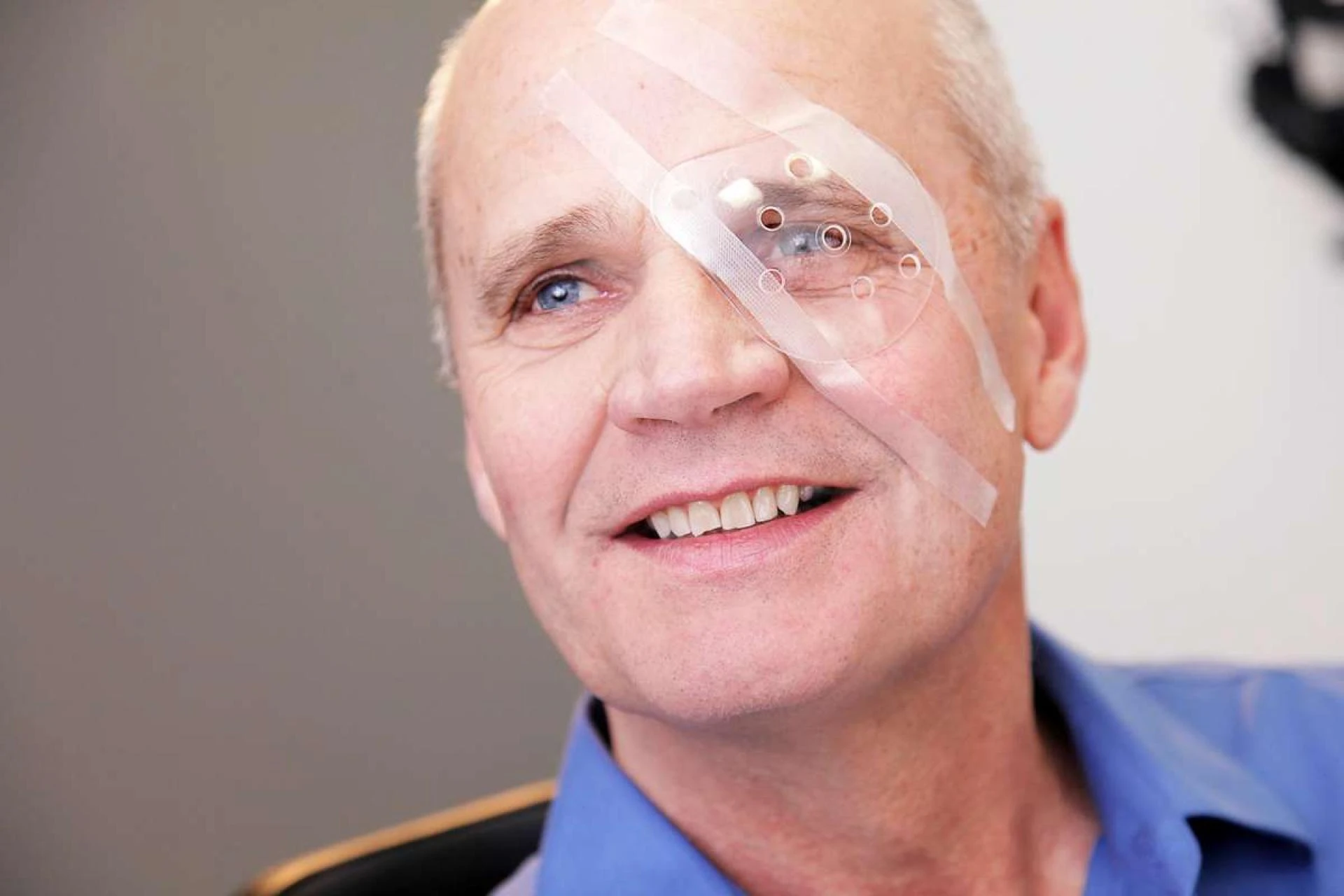

Vision is one of our most valuable senses, yet it is often taken for granted—until issues begin to interfere with our sight or appearance. Two common conditions that can affect both the function and aesthetics of the eyes are pterygium and ptosis, or droopy eyelids. Fortunately, medical advancements have made it possible to address these conditions with effective solutions. Whether it’s pursuing treatment for pterygium or opting for droopy eyelid surgery, understanding your options is key to restoring both visual clarity and eye comfort.
Understanding Pterygium and Its Symptoms
A pterygium is a benign growth of conjunctival tissue that extends from the white part of the eye (sclera) onto the cornea. Often referred to as “surfer’s eye,” this condition is commonly seen in people who are frequently exposed to UV light, wind, dust, or dry environments. It can affect one or both eyes and tends to progress slowly.
Common symptoms include:
- A visible, wedge-shaped growth on the eye
- Redness and inflammation
- A gritty or burning sensation
- Blurred vision (in more advanced cases)
- The sensation of a foreign body in the eye
While small pterygia might not require medical intervention, larger or symptomatic growths may necessitate professional treatment for pterygium to prevent complications or improve comfort.
Treatment for Pterygium: What Are Your Options?
When it comes to treatment for pterygium, the approach largely depends on the severity of the condition. Mild cases may only require lubricating eye drops, anti-inflammatory medications, or UV-blocking sunglasses to slow the progression and relieve discomfort. However, if the pterygium grows large enough to affect your vision, cause chronic irritation, or interfere with the eye’s appearance, surgical removal is often recommended.
Surgical Removal of Pterygium
Pterygium surgery typically involves removing the abnormal tissue from the eye and replacing it with a graft, usually taken from the patient’s conjunctiva. This method reduces the likelihood of recurrence, which is a common concern with pterygium removal.
Key benefits of pterygium surgery include:
- Clearer vision if the growth was distorting the cornea
- Improved cosmetic appearance
- Reduced eye discomfort
- Lower recurrence rates when conjunctival grafting is used
Post-surgery, patients are prescribed eye drops to reduce inflammation and support healing. Although recurrence can happen, modern surgical techniques have significantly reduced this risk, making treatment for pterygium more reliable and successful than ever.
What Are Droopy Eyelids?
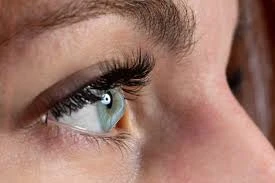
Droopy eyelids, medically known as ptosis, occur when the upper eyelid sags over the eye. This condition may be present at birth (congenital ptosis) or develop later in life due to aging, trauma, or certain medical conditions affecting the muscles or nerves that control eyelid movement.
Symptoms of droopy eyelids include:
- A visibly sagging upper eyelid
- Obstructed vision, especially when looking upward
- Eye strain or fatigue, particularly at the end of the day
- A need to tilt the head back or raise eyebrows to see more clearly
- Uneven appearance of the eyes
Although mild ptosis may be purely cosmetic, more pronounced cases can interfere with vision and lead to additional problems, such as headaches, eye fatigue, and even neck strain from compensatory head tilting.
Droopy Eyelid Surgery: Restoring Function and Appearance
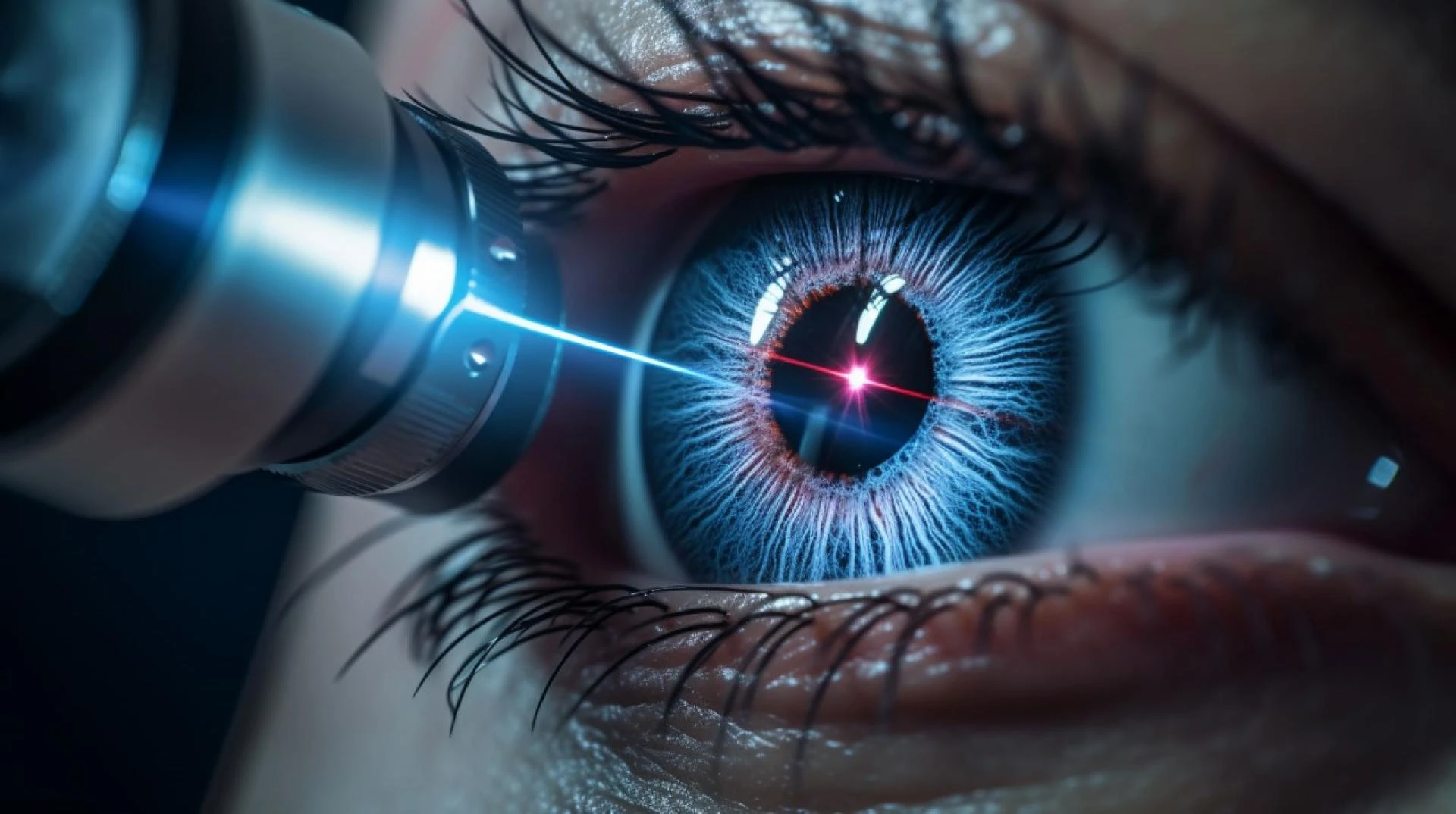
Droopy eyelid surgery, or blepharoplasty/ptosis repair, is the most effective way to address this issue. The procedure involves tightening or shortening the levator muscle responsible for lifting the eyelid. In cases where this muscle is too weak or non-functional, other techniques may be used to lift the eyelid via connections to the forehead muscles.
The goals of droopy eyelid surgery are:
- To improve the field of vision
- To create a more youthful, alert appearance
- To relieve eye strain and associated symptoms
- To correct asymmetry in facial features
This surgery is often performed under local anesthesia and typically takes less than an hour. Recovery is usually quick, with minimal discomfort, and patients can usually return to their normal routines within a few days. Bruising and swelling are common post-operative side effects but resolve in a short period.
When Should You Consider Treatment?
Determining the right time to pursue treatment for pterygium or undergo droopy eyelid surgery depends on several factors, including the severity of symptoms, the impact on daily activities, and overall eye health.
You should consider pterygium treatment if:
- The growth is increasing in size
- You experience frequent redness, irritation, or dryness
- Your vision is being affected
- You’re concerned about the appearance of your eye
You should consider droopy eyelid surgery if:
- Your upper eyelid droops over your pupil
- Your field of vision is obstructed
- You suffer from frequent headaches or eye fatigue
- You desire a more balanced and youthful look
Consulting with an experienced ophthalmologist or oculoplastic surgeon is essential to evaluating your condition and discussing the most appropriate treatment plan tailored to your needs.
Preventive Tips and Lifestyle Adjustments
While not all cases of pterygium or ptosis can be prevented, certain habits can help reduce the risk or slow the progression:
- Protect your eyes from UV rays by wearing sunglasses with UV protection.
- Use lubricating eye drops in dry or dusty environments to keep eyes moist.
- Avoid excessive eye rubbing, which can irritate the surface and lead to complications.
- Maintain a healthy lifestyle and manage systemic diseases like diabetes, which may contribute to eyelid drooping.
Early intervention and regular eye exams can also help detect and manage these conditions before they become more serious.
Conclusion
Both treatment for pterygium and droopy eyelid surgery offer effective ways to improve your vision, comfort, and appearance. While pterygium is primarily a surface condition caused by environmental exposure, ptosis involves the muscles and skin of the eyelid. Each condition requires a unique approach to treatment, and understanding your symptoms is the first step toward better eye health.
If you're experiencing any of the symptoms mentioned or are unsure about the state of your eye health, it's time to consult professionals who specialize in comprehensive eye care. At Clear View Eyes, they provide advanced diagnostic tools and personalized treatments for a range of ocular conditions, including pterygium and droopy eyelids. With a commitment to precision, safety, and patient satisfaction, Clear View Eyes ensures your vision—and your confidence—is always in focus.






























Sign in to leave a comment.