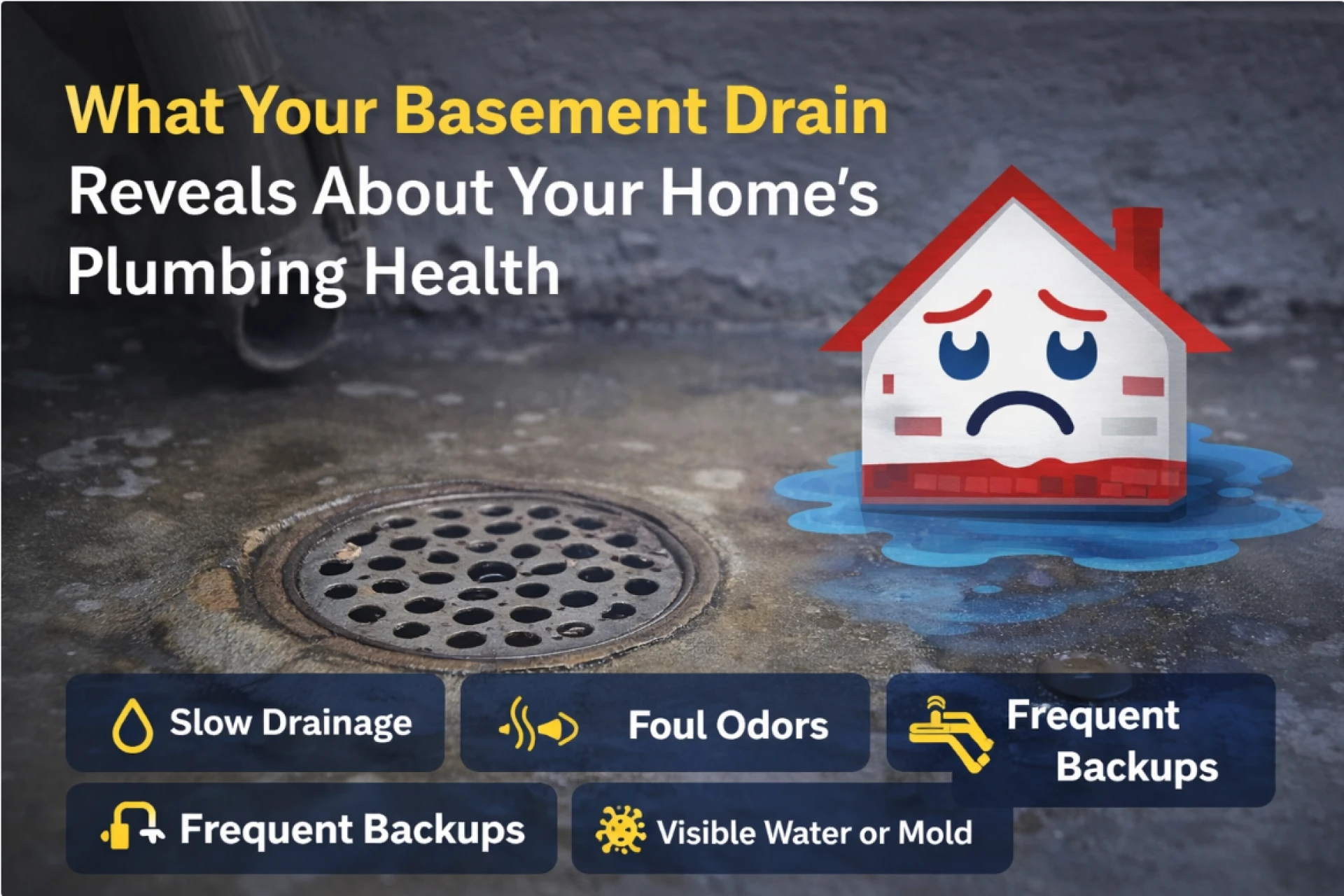

Your basement drain may not seem like the most exciting part of your home, but it can be a silent indicator of your plumbing system’s overall health. While drains are often overlooked, paying attention to them through drain cleaning in Youngstown services or regular maintenance can save homeowners from costly repairs, water damage, and frustration. Understanding what your basement drain reveals about your home’s plumbing can help prevent minor issues from turning into major problems.
Why Basement Drains Matter
Basement drains serve an essential purpose: they direct excess water away from your home to prevent flooding and structural damage. While they may go unnoticed most of the year, their performance can reveal underlying plumbing conditions. Homeowners often notice changes in flow, smells, or occasional backups, which are subtle warning signs that shouldn’t be ignored.
Key functions of basement drains:
Flood prevention: Basements are prone to flooding during heavy rain or snowmelt. A well-maintained drain helps redirect water away from your foundation.
Structural protection: Water accumulation can weaken your foundation, cause cracks, or lead to mold growth. Drains play a vital role in maintaining structural integrity.
Home comfort: Standing water and dampness can affect indoor air quality and create an unhealthy environment. Efficient drains help maintain a dry, comfortable basement.
Monitoring your basement drain can reveal early signs of plumbing issues and allow for preventive maintenance.
Common Signs of Drain-Related Problems
A basement drain can alert homeowners to several potential plumbing issues. Understanding these signs can save time and money:
Slow Drainage
If water takes longer than usual to flow down the drain, it may indicate a partial blockage. Common causes include debris, sediment buildup, or even tree roots infiltrating underground pipes. Slow drainage should be addressed promptly to prevent complete blockages.
Unpleasant Odors
Foul smells from your basement drain often point to standing water, bacterial growth, or sewage backups. Persistent odors may signal a failing trap or venting issue in your plumbing system.
Frequent Backups
Regular backups in your basement drain can indicate a clog deeper in your plumbing system or even a problem with the main sewer line. Ignoring frequent backups can lead to water damage and increased repair costs.
Gurgling Sounds
Strange gurgling or bubbling sounds from the drain can suggest air trapped in the plumbing system or blockages downstream. These sounds often occur when water struggles to move through partially obstructed pipes.
Visible Water or Mold
Water pooling around your basement drain or mold growth nearby is a clear warning that your plumbing system may be compromised. These signs indicate leaks, poor drainage, or foundation seepage.
How Basement Drain Health Reflects Overall Plumbing Condition
The state of your basement drain often mirrors the health of your entire plumbing system. Here’s what a few common drain issues can reveal:
Minor Slowdowns: A slow-moving drain may indicate small clogs, mineral buildup, or minor pipe corrosion. Addressing these early can prevent more severe damage.
Frequent Clogs: Repeated clogs in the basement drain could signal issues in the main sewer line or poorly designed plumbing venting. This requires professional inspection.
Water Odors: Persistent odors can reveal leaks or inadequate traps, which may compromise sanitation and air quality.
Foundation Leaks: Basement drain problems can also hint at external water intrusion affecting your foundation. Poor grading, clogged gutters, or cracks can allow water to reach your basement.
By paying attention to your basement drain, homeowners can often detect plumbing problems before they escalate into costly repairs.
Preventive Measures for Basement Drain Health
Maintaining your basement drain not only prevents immediate issues but also preserves the overall plumbing system. Here are some effective preventive measures:
1. Regular Cleaning
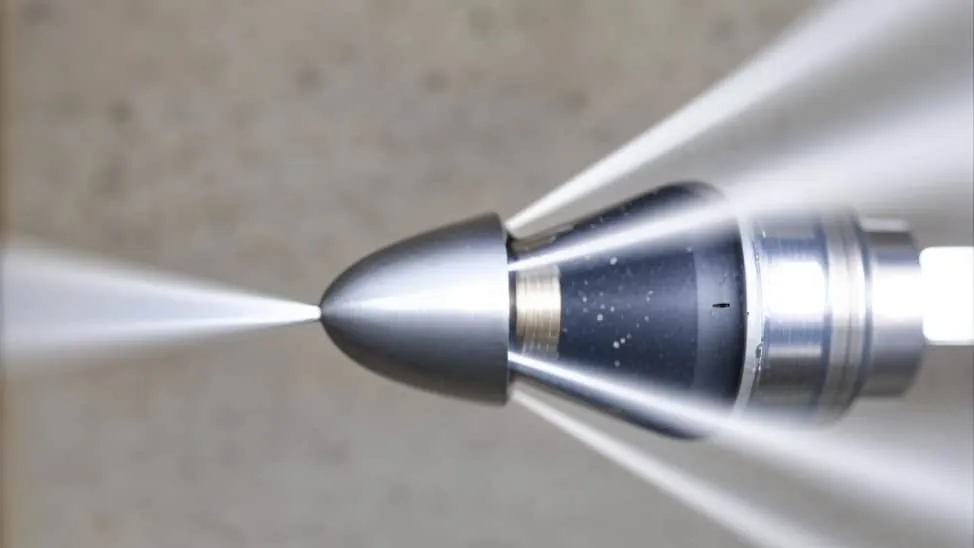
Routine drain cleaning removes debris, hair, and sediment that can cause blockages. Preventive cleaning ensures water flows smoothly and reduces the risk of backups. Investing in professional drain cleaning periodically is highly recommended.
2. Inspect for Leaks and Cracks
Checking your basement drain and surrounding pipes for cracks, leaks, or corrosion helps identify early-stage plumbing issues. Even minor leaks can escalate if left untreated.
3. Ensure Proper Grading and Drainage
Exterior drainage and proper foundation grading play a significant role in basement drain performance. Make sure gutters, downspouts, and landscaping direct water away from the home’s foundation.
4. Install a Sump Pump (if needed)
A functional sump pump can provide an additional layer of protection against basement flooding. Sump pumps help direct water away from vulnerable areas, reducing the burden on your basement drain.
5. Avoid Flushing Non-Flushables
Items like wipes, paper towels, and grease can clog your drain. Educating household members about proper disposal practices helps prevent unnecessary blockages.
6. Monitor Water Flow and Odors
Regularly checking how quickly water drains and noting any unusual smells can alert you to potential problems early. Addressing subtle changes before they become major issues is key to plumbing health.
Benefits of Maintaining a Healthy Basement Drain
Investing time and effort in basement drain care provides multiple advantages for homeowners:
Reduced Risk of Flooding: Proper drainage prevents water accumulation, protecting your home and belongings.
Longer Lifespan for Pipes: Clean, unobstructed drains reduce stress on pipes, minimizing corrosion and wear.
Improved Home Comfort: A dry basement creates a healthier environment and avoids mold or mildew.
Lower Repair Costs: Preventive maintenance helps detect issues before they require expensive repairs.
Peace of Mind: Knowing your basement drain functions properly ensures your plumbing system is reliable and safe.
When to Call a Professional
While some drain maintenance can be handled by homeowners, certain situations require professional intervention. Seasonal changes, such as seasonal cold affecting drain performance, can exacerbate existing issues and make minor problems more noticeable. You should watch for:
Persistent slow drainage or frequent backups.
- Foul odors that do not dissipate.
- Visible water damage, mold, or leaks around the drain.
- Gurgling or unusual sounds indicate deeper pipe issues.
- Signs of the indicatemain sewer line blockage or corrosion.
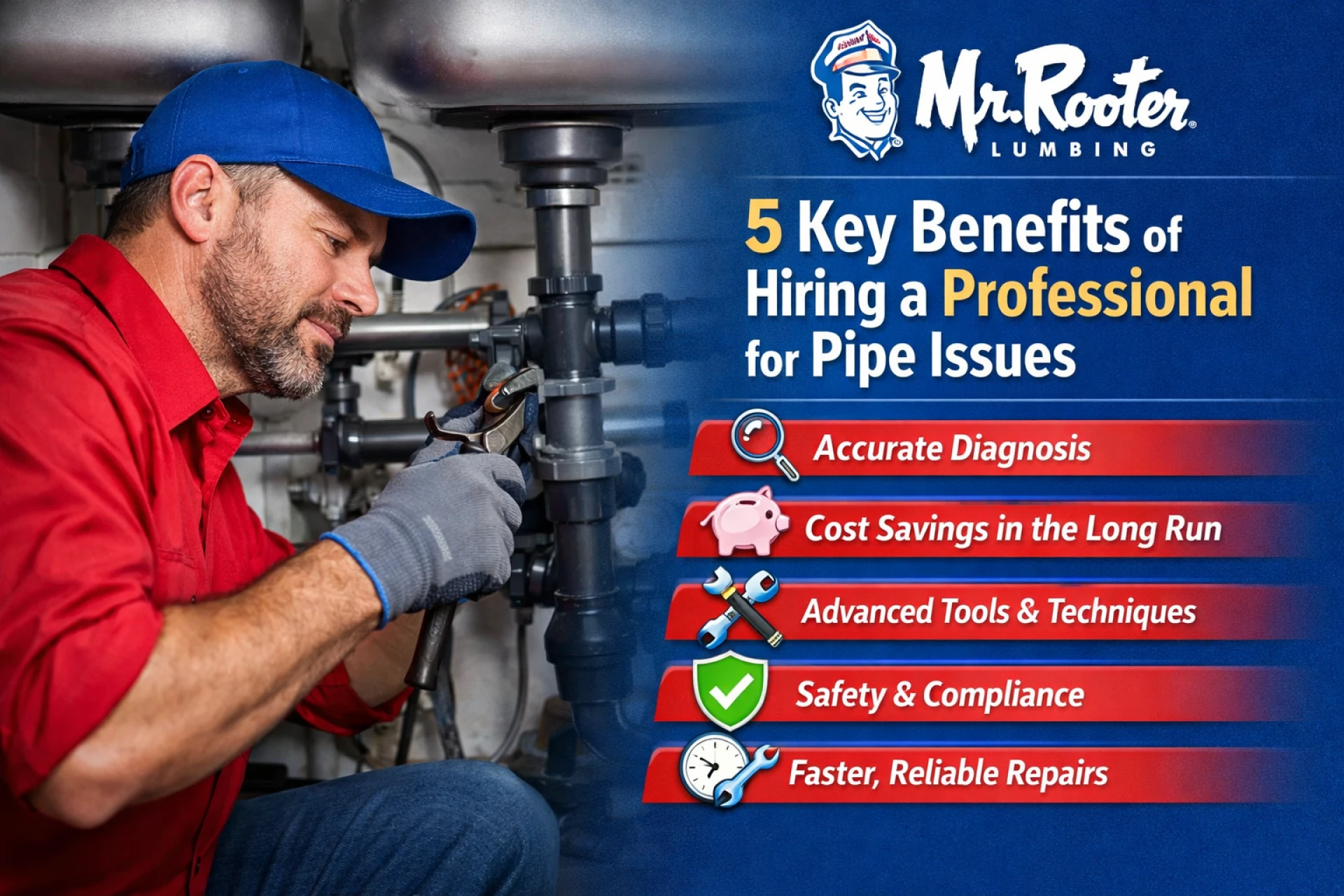
A trusted plumbing professional can inspect your basement drain, identify underlying problems, and provide solutions such as professional cleaning, pipe repair, or system upgrades.
Conclusion
Your basement drain is more than just a water outlet it is a window into the health of your home’s plumbing system. Paying attention to drainage speed, odors, water pooling, and unusual sounds can reveal hidden issues before they escalate. Routine maintenance, professional inspections, and preventive measures ensure your basement drain and the entire plumbing system remain in optimal condition.
By treating your basement drain as an early warning system, you protect your home from water damage, costly repairs, and unnecessary stress. For expert inspections and reliable service, trust Mr. Rooter Plumbing of Youngstown to keep your home safe, dry, and comfortable.

























Sign in to leave a comment.