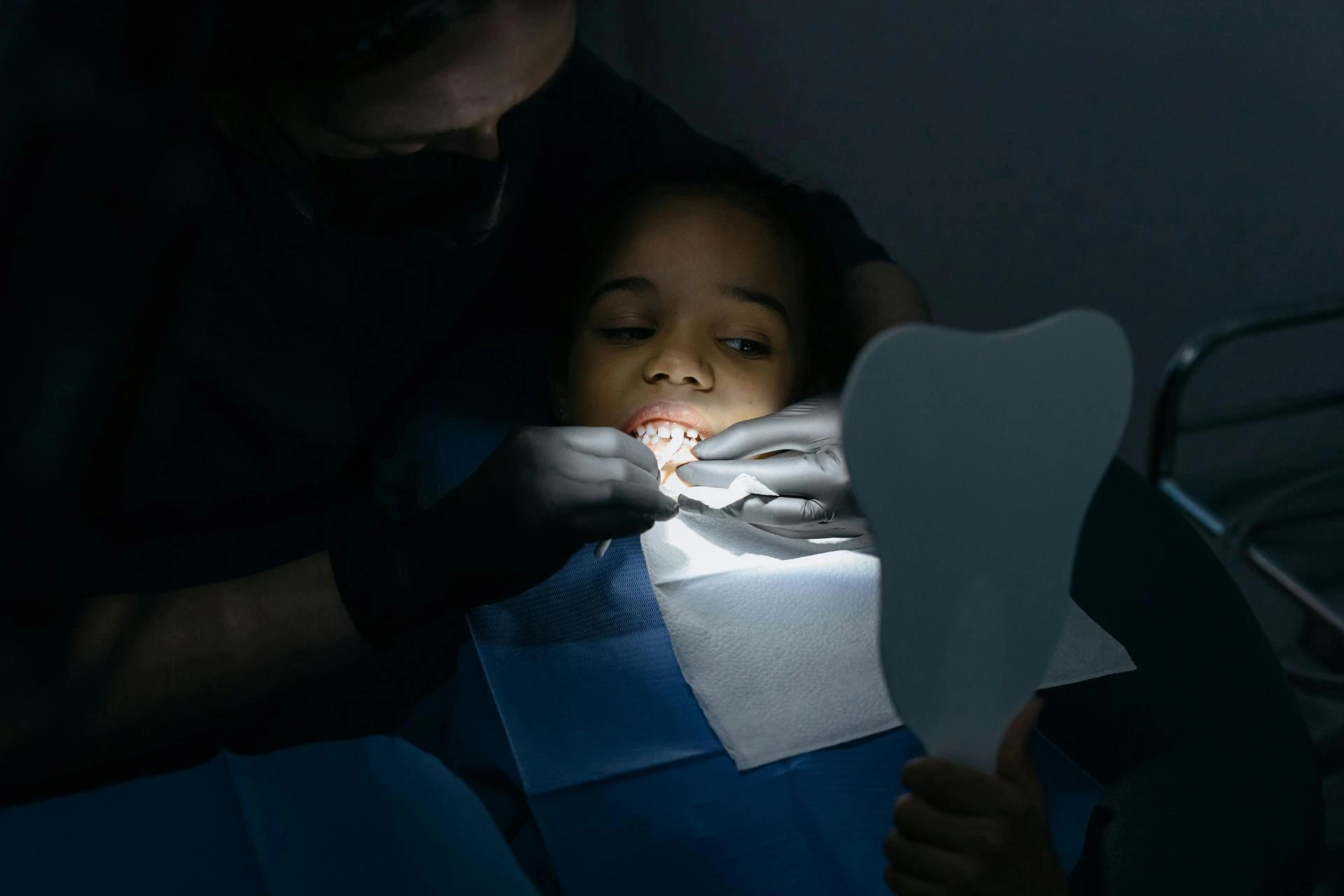

Think of your mouth as a mirror reflecting what's happening inside your body. It's surprisingly revealing, often showing the first signs of conditions brewing elsewhere in your system before they become obvious anywhere else. Medical and dental professionals have understood this connection for years: your oral health doesn't exist in isolation from the rest of you. Changes in your gums, strange lesions, or breath that won't quit can signal everything from diabetes to heart disease.
The Connection Between Gum Disease and Cardiovascular Health
Here's something that might surprise you: the health of your gums has a direct line to your heart. Research keeps reinforcing this connection, people with gum disease face a higher risk of developing heart disease, and inflammation is the culprit tying these conditions together. When your gums are infected, bacteria can slip into your bloodstream and potentially contribute to arterial plaque buildup, raising your risk for heart attacks and strokes. The chronic inflammation from periodontitis doesn't stay put in your mouth, it triggers responses throughout your entire circulatory system.
How Diabetes Manifests in Your Oral Cavity
Diabetes and oral health have what doctors call a bidirectional relationship, each one affects the other in significant ways. If you're diabetic, you're more likely to experience severe periodontal problems because your body struggles more with fighting bacterial infections and healing takes longer. High blood sugar creates the perfect environment for harmful oral bacteria to flourish, leading to more plaque buildup, inflamed gums, and cavities. Here's the tricky part: severe gum disease can make it harder to control blood sugar levels, creating a frustrating cycle that's difficult to break.
Oral Signs of Nutritional Deficiencies and Systemic Diseases
Your mouth can tell quite a story about what you're missing nutritionally and what might be going wrong systemically. A tongue that's unusually pale or smooth? That might point to iron deficiency anemia. Bright red and swollen? Could be a B-vitamin deficiency. Mouth sores that won't heal or gums that bleed easily might suggest you're not getting enough vitamin C, yes, scurvy still happens occasionally, even today. When someone has osteoporosis, it shows up as tooth loss and receding gums because the decreased bone density affects the jaw's ability to anchor teeth properly. Autoimmune conditions like Sjögren's syndrome cause persistent dry mouth and swallowing difficulties that are hard to miss. White patches coating the inside of your mouth could indicate oral thrush, commonly seen in people with compromised immune systems, whether from HIV/AIDS or chemotherapy. For parents keeping tabs on their kids' development, professionals like a pediatric dentist in Chula Vista can spot nutritional deficiencies early through thorough oral examinations. Even kidney disease leaves its mark, that metallic taste, ammonia-scented breath, and inflamed gum tissue are all potential indicators. Recognizing these signs means healthcare providers can investigate underlying conditions before they progress to something more serious.
The Role of Oral Cancer Screening in Overall Health Monitoring
Oral cancer screening is one of those things that doesn't get enough attention, even though dentists are often the first to spot malignancies developing in the mouth. During your regular check-ups, dental professionals carefully examine every visible surface, looking for suspicious lesions, unusual discolorations, or abnormal growths that might signal cancer or precancerous changes. Certain risk factors really stack the odds against you: tobacco use, heavy alcohol consumption, HPV infection, and even too much sun exposure on your lips all increase your chances significantly. The good news? Early detection makes an enormous difference in survival rates, which is why regular screenings are absolutely critical if you're at higher risk.
Stress, Mental Health, and Your Oral Manifestations
The way stress and mental health affect your mouth often flies under the radar, even though the effects are both significant and visible. Chronic stress frequently shows up as bruxism, that unconscious grinding or clenching of teeth that wears them down and leads to jaw pain and TMJ disorders. When someone's dealing with anxiety or depression, oral hygiene routines often fall by the wayside, opening the door to more cavities and gum disease. Stress hormones like cortisol suppress your immune system, making your mouth more vulnerable to infections and slowing down tissue healing.
Conclusion
Your mouth really is an extraordinary diagnostic tool, offering healthcare providers a window into your overall health that's hard to match. From heart disease and diabetes to nutritional gaps and mental health struggles, countless systemic conditions leave their fingerprints on your oral tissues, giving you early warnings that make timely intervention possible. This intricate connection between what's happening in your mouth and what's happening throughout your body highlights why regular dental check-ups should be non-negotiable parts of your healthcare routine. By staying alert to changes in your oral cavity and keeping the lines of communication open between your dentist and other healthcare providers, you can catch warning signs early and protect your overall health.





Sign in to leave a comment.