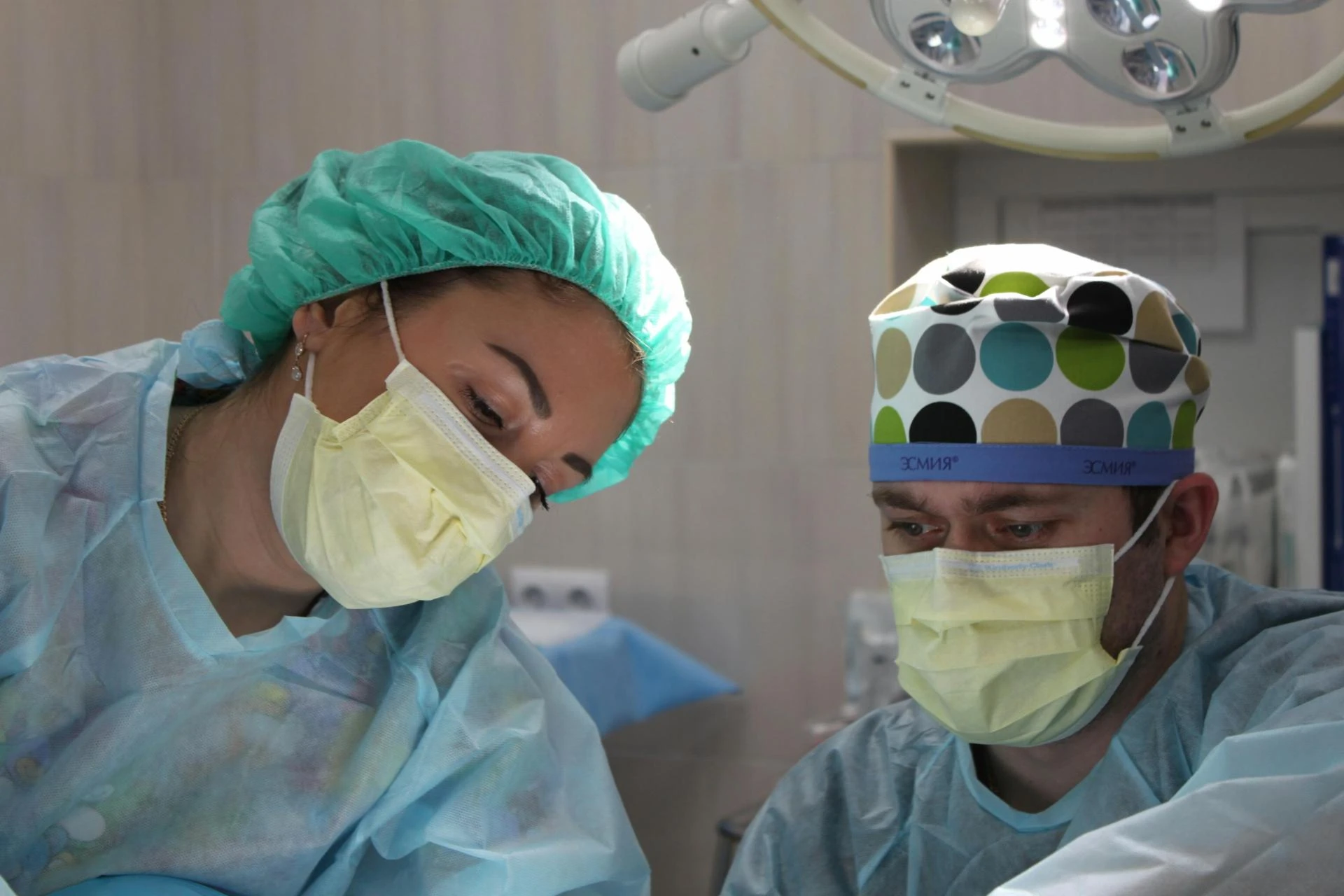

In healthcare environments, the difference between excellent outcomes and preventable complications often comes down to one critical factor: consistency. When medical professionals deliver care through established, reliable processes, patients benefit from predictable, high-quality treatment, regardless of which shift is on duty or which facility they visit. The healthcare industry has increasingly recognized that standardized processes serve as the foundation for maintaining quality standards, reducing medical errors, and ensuring every patient receives the same level of attention and expertise. Think of it this way: without reliable processes guiding clinical decisions and procedural execution, healthcare delivery becomes vulnerable to variability that can compromise patient safety and treatment efficacy.
The Foundation of Standardized Clinical Protocols
Standardized clinical protocols establish a baseline of excellence that every healthcare team member can follow with confidence. These protocols synthesize evidence-based practices, regulatory requirements, and institutional best practices into actionable guidelines that eliminate guesswork from routine care decisions. When nurses, physicians, and support staff operate from the same procedural framework, they create a cohesive care environment where treatments follow proven pathways, and everyone understands their role in the patient journey. This standardization proves especially critical during emergencies or high-pressure situations when cognitive load is already maximized, and healthcare professionals need clear, reliable procedures to guide their actions.
Reducing Variability Through Process Documentation
Process documentation transforms institutional knowledge from individual expertise into organizational assets that persist beyond any single practitioner's tenure. Detailed, accessible documentation ensures that best practices don't disappear when experienced staff members retire or transfer to different departments. When procedures are thoroughly documented with step, by-step instructions, visual aids, and decision trees, new team members can achieve competency faster while seasoned professionals have reference materials to confirm they're following current protocols. This documentation also facilitates continuous improvement initiatives by providing baseline processes that can be measured, analyzed, and refined over time.
Training and Competency Validation Systems
Even the most meticulously designed processes fail to deliver consistent results without proper training and ongoing competency validation. Healthcare facilities must establish systematic training programs that ensure every team member understands not just how to perform procedures but why specific steps matter for patient safety and outcomes. These training initiatives should combine initial onboarding education with periodic refresher courses, skills assessments, and simulation exercises that test competency under realistic conditions. Competency validation systems provide objective measurements of whether staff members can execute processes correctly and consistently, identifying knowledge gaps before they impact patient care.
Technology's Role in Process Standardization
Modern healthcare technology platforms provide powerful tools for embedding reliable processes directly into clinical workflows. Electronic health record systems can incorporate clinical decision support tools that prompt providers to follow evidence-based protocols, order appropriate tests, and document required information at each care stage. Automated alerts, standardized order sets, and built-in safety checks reduce reliance on human memory while ensuring critical steps aren't overlooked during busy shifts. Inventory management systems ensure that necessary supplies and equipment remain available when needed, preventing delays or improvisation that could compromise care quality. When professionals performing complex surgical procedures rely on standardized equipment and protocols from partners like Baxter Advanced Surgery , they benefit from solutions designed to support consistent technique and outcomes. When technology reinforces reliable processes rather than merely automating existing workflows, healthcare organizations achieve new levels of consistency while freeing clinical staff to focus on patient interaction and complex decision-making that requires human judgment. It's not about replacing human expertise; it's about amplifying it.
Measuring and Monitoring Process Adherence
Establishing reliable processes represents only half the equation; organizations must also implement robust systems for measuring and monitoring whether staff members consistently follow established protocols. Regular audits, peer reviews, and performance metrics provide visibility into process adherence rates and identify patterns where deviations occur most frequently. These measurement systems should balance accountability with psychological safety, encouraging staff to report process failures or near-misses without fear of punitive consequences. When organizations analyze process adherence data, they often discover that deviations result from unclear procedures, inadequate resources, or workflow designs that don't align with clinical realities.
Building a Culture of Process Reliability
Sustainable consistency in patient care requires more than policies and procedures; it demands an organizational culture that values process reliability as a core principle. Leadership must consistently communicate that following established processes represents professional excellence rather than bureaucratic compliance. When healthcare organizations celebrate process adherence, investigate deviations constructively, and involve frontline staff in process improvement initiatives, they create environments where consistency becomes intrinsic to professional identity. This cultural foundation ensures that reliable processes persist through staffing changes, resource constraints, and the inevitable pressures that challenge healthcare delivery systems daily.
Conclusion
Consistency in patient care emerges directly from the reliability of underlying processes that guide clinical decisions and procedural execution. Healthcare organizations that invest in standardized protocols, comprehensive documentation, systematic training, supportive technology, and continuous monitoring create environments where every patient receives the same high-quality care regardless of variables like staffing or timing. As healthcare systems continue evolving to meet increasing complexity and patient expectations, the commitment to process reliability will remain essential for delivering safe, effective, and consistent care across all settings and circumstances. The most successful healthcare institutions recognize that reliable processes don't constrain clinical excellence; they provide the foundation upon which exceptional patient outcomes are built.






























Sign in to leave a comment.