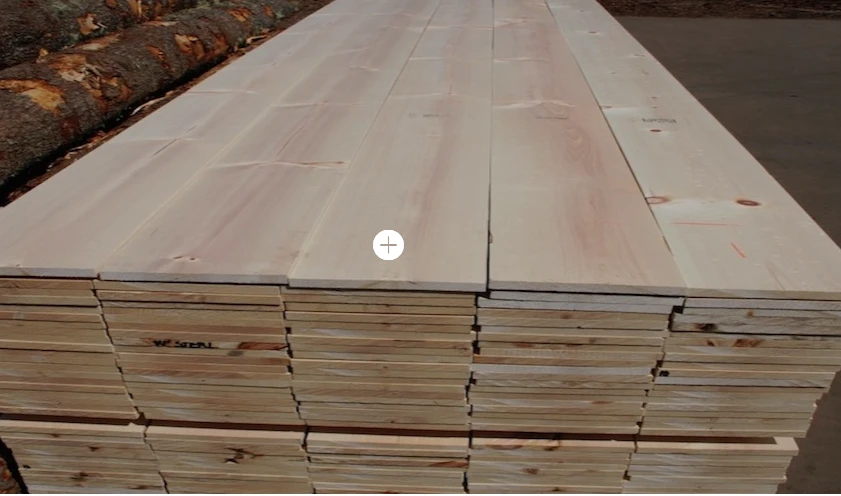

Pine tree wood or Pinus has its roots in coniferous trees. This group of trees has cone-bearing seed plants. Pine, in specific, has thin leaves with a needle-like appearance, originating in Northern, Central and Eastern Europe. Since pine trees belong to the category of softwood, they are softer than hardwood but carry the same strength as the latter. Pine’s sapwood is yellowish-white to reddish-white in colour, whereas its reddish-brown in colour. Pine species vary in more than 126 classified species and differ in terms of colour, workability, hardness and rot resistance. Accordingly, they are put into use based on their properties.
Uses
FurniturePine wood is a fantastic material for furniture-making projects. Even more so than softwood, it is renowned for stiffness and shock resistance. Knotty pine wood and plywood are popular materials for cabinet manufacturers. Even though it can be more expensive than plywood. Superior pine wood furniture must have the following qualities: grain, colour, shock resistance, and hardness. Pine wood contains all of these qualities. Some pine species, though, are not thought to be appropriate for furniture. However, most pines work best.
Being a softwood, pine is quite simple to work with. This makes it appropriate for chair rails, baseboards, cabinet trim, window and door frames, and picture frames. For mouldings and trimming, it is crucial that the wood is highly workable. Since both equipment and small hand instruments are employed for this. It can be a little challenging to do with other hardwood.
Generally speaking, hardwood flooring is a preferable option for most individuals. Yet another economical choice is pressure-treated pine wood. Its lifespan may range from 15 to more years if it receives proper care. The decking is continuously exposed to soil and varied environmental elements. In this situation, resistance to wood rot and decay is also crucial. After logging, pines don't have particularly excellent resistance to insects or rot. Therefore, pressure-treated pine is a better material option for wooden outdoor projects. Pine that has been pressure-treated offers a number of advantages, including increased moisture resistance, fungus resistance, insect resistance, fire resistance, and increased durability. It costs a little more than regular pine, though. However, it is not as dense as other hardwoods.
There are several beautiful dwarf pine species to choose from, which are planted in parks and larger gardens as attractive trees. In several nations, pine trees are also produced and harvested for economic purposes. Pine seeds, known as "pine nuts", are produced in bulk by some types of pine trees. It is sold in the market for use in baking and cooking.
Benefits
LightweightWood that is lightweight provides excellent working qualities. It is simple to transport from one location to another and works at high elevations.
Pine's excellent workability makes it a favourite among woodworkers b because it completes projects so rapidly. Both hand and power tools are simple to use; they finish and glue nicely. Pre-drilling is not necessary when working with pine to attach screws and nails. It helps a large project save a tonne of time. Many carpenters claim that changing blades frequently when working on hardwood results in significant time loss.
A common misconception is that softwood is less resilient than hardwood. However, this is not entirely true. Since each wood can be both softwood and hardwood, its endurance is impossible to predict. Pine wood is a good, lasting choice, but its use must also be considered. Pine wood is inappropriate for usage outdoors. However, despite this, pressure-treated pine is always the best option if you want to use pine for outdoor applications due to the fantastic quality of this wood.
Disadvantages
Scrapping and ScratchingSince pine is a softwood, it naturally has several flaws associated with its ‘pine wood texture’, such as being readily scratched and dented. Although hardwood has less of this issue. Scratches and dents can occur for a variety of causes. However, the primary cause is the wood of the pines, which is not very hard.
The majority of the pine trees' wood is damaged because it rots easily. Medium to high-quality wood is preferred for use in furniture, whereas high-grade wood is preferred for use in flooring and outdoor applications. This requires a higher price.
Pine wood needs periodic maintenance. It cannot endure prolonged exposure to wetness. When it is exposed to constant sunlight, it begins to bend and crack. Remove any component that appears to be rotting right away, and make sure to frequently apply wax and oil.
Conclusion
Pine is a better wood species since it has numerous advantageous qualities. they are excellent for building, flooring, and furniture. For interior uses, pine is a preferable alternative. Use pressure-treated pine, or ask your wood dealer for advice if you're planning an external wooden project.
In case you’re looking for a reliable pine wood supplier, look no further. Faith Lumber is a renowned brand for supplying pine wood and other lumber products for all your needs. Contact them today to get the best price.
0























Sign in to leave a comment.