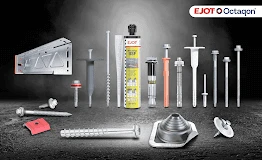

When it comes to fastening materials together, self-drilling screws and self-thread screws are commonly used options. At Ejot Octaqon, we understand the importance of choosing the right fastener for your project. In this informative guide, we will explore the differences between self-drilling screws and self-thread screws, helping you make an informed decision for your next project.
Self-Drilling Screws for Steel
What are Self-Drilling Screws?: Self-drilling screws are designed to drill their own pilot hole and tap their own threads as they are driven into the material. They feature a drill bit-like tip that allows them to penetrate steel without the need for pre-drilling.Benefits:Time-Saving: Self-drilling screws eliminate the need for pre-drilling, saving time and labor during installation.Efficiency: They offer efficient fastening in steel and other hard materials, providing a strong and reliable connection.Versatility: Self-drilling screws are suitable for a wide range of applications, including construction, metal fabrication, and automotive assembly.Self - Thread Screws
What are Self-Thread Screws?: Self-thread screws, also known as self-tapping screws, have a sharp thread that cuts into the material as it is driven in. Unlike self-drilling screws, they require a pre-drilled pilot hole for installation.Benefits:Wide Application: Self-thread screws are versatile and can be used in various materials, including metal, wood, and plastic.Ease of Use: They are easy to install, requiring minimal effort and equipment.Secure Fastening: Self-thread screws provide a secure and tight grip, preventing loosening over time.Key Differences
Drilling Mechanism: The main difference between self-drilling screws and self-thread screws lies in their drilling mechanism. Self-drilling screws have a built-in drill bit that creates a pilot hole, while self-thread screws rely on a pre-drilled hole.Material Compatibility: Self-drilling screws are specifically designed for use in steel and other hard materials, while self-thread screws are more versatile and can be used in a variety of materials.Installation Process: Self-drilling screws offer a faster installation process as they eliminate the need for pre-drilling. On the other hand, self-thread screws require a pre-drilled pilot hole for installation.Conclusion
In conclusion, both self-drilling screws and self-thread screws are valuable fastening options with their own set of benefits and applications. When choosing between the two, consider the specific requirements of your project, including material compatibility, installation process, and desired outcome.
At Ejot Octaqon, we offer a wide range of self-drilling screws for steel and self-thread screws to suit your needs. With our high-quality fasteners and expert guidance, you can ensure a secure and reliable connection for your projects. Visit our website to explore our full range of fastening solutions and make the right choice for your next project.



























Sign in to leave a comment.