
Anxiety is a natural response to stress, but for many people, it can become overwhelming and start affecting everyday life. From persistent worry and restlessness to difficulty concentrating, anxiety can interfere with work, relationships, and overall well-being. Seeking professional guidance is often necessary for managing these symptoms effectively. Clinics offering Anxiety treatment in Orlando provide specialized approaches to help individuals regain control over their lives and develop coping strategies tailored to their needs.
Understanding Anxiety and Its Impact
Anxiety is more than occasional worry or nervousness. It is a persistent state of unease that can affect both mental and physical health. Common symptoms include rapid heartbeat, sweating, fatigue, irritability, and trouble sleeping. Chronic anxiety may lead to avoidance behaviors, social withdrawal, or decreased productivity, making daily tasks feel overwhelming.
Common Triggers of Anxiety
Anxiety can arise from multiple factors, including genetics, brain chemistry, personality traits, and life experiences. Stressful events such as work pressure, financial difficulties, or health concerns can trigger anxiety episodes. Additionally, underlying conditions like depression or trauma can exacerbate symptoms. Identifying triggers is a crucial first step in effective anxiety management.
Types of Anxiety Disorders
Anxiety can manifest in various forms, including:
- Generalized Anxiety Disorder (GAD): Persistent and excessive worry about everyday events.
- Panic Disorder: Sudden episodes of intense fear accompanied by physical symptoms like chest pain or shortness of breath.
- Social Anxiety Disorder: Fear of social situations or being judged by others.
- Specific Phobias: Extreme fear of particular objects or situations.
- Post-Traumatic Stress Disorder (PTSD): Anxiety following a traumatic experience.
Understanding the specific type of anxiety is critical for choosing the right treatment approach.
Practical Strategies to Manage Anxiety
While professional treatment is essential for many, several strategies can help manage anxiety in daily life:
- Mindfulness and Meditation: Practicing mindfulness helps focus on the present and reduce racing thoughts. Meditation can calm the nervous system and promote relaxation.
- Regular Exercise: Physical activity releases endorphins, which act as natural mood boosters and reduce anxiety symptoms
- Healthy Diet: A balanced diet with adequate nutrients can influence brain health and mood regulation. Limiting caffeine and sugar may help reduce anxiety triggers.
- Adequate Sleep: Sleep is crucial for emotional regulation. Developing a consistent sleep routine can improve overall well-being.
- Breathing Techniques: Deep breathing and diaphragmatic exercises help control the physiological symptoms of anxiety.
- Time Management: Structuring daily tasks and setting realistic goals can reduce feelings of being overwhelmed.
Professional Anxiety Treatment Options
Professional anxiety treatment offers structured approaches that target both the symptoms and underlying causes. Common treatments include:
- Cognitive Behavioral Therapy (CBT): A widely used therapy that helps patients identify negative thought patterns and replace them with healthier thinking.
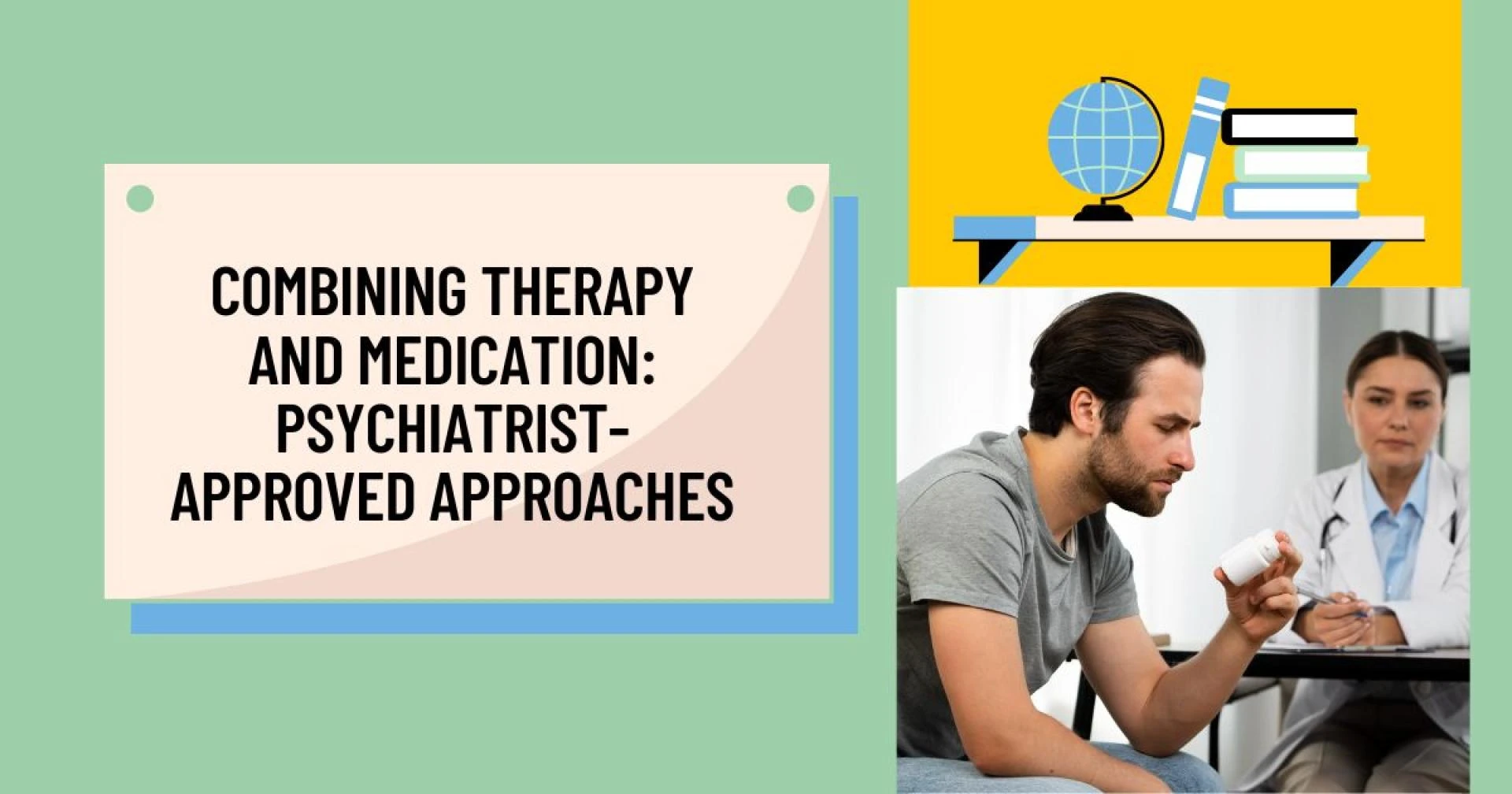
- Medication: Anti-anxiety medications or antidepressants may be prescribed to manage severe symptoms.
- Exposure Therapy: Gradually exposing individuals to anxiety-provoking situations to reduce fear response.
- Support Groups: Sharing experiences with others facing similar challenges can provide emotional support and practical advice.
A combination of these approaches is often the most effective, tailored to the individual’s needs.
When to Seek Help
If anxiety disrupts daily functioning, affects relationships, or causes physical symptoms like heart palpitations or insomnia, it’s crucial to seek professional help. Early intervention can prevent worsening symptoms and reduce the risk of developing additional mental health concerns. Consulting a qualified mental health professional ensures that the treatment plan is safe, personalized, and evidence-based.
Lifestyle Adjustments to Support Treatment
In addition to professional care, lifestyle adjustments can enhance treatment outcomes. Avoiding alcohol and recreational drugs, maintaining a supportive social network, practicing relaxation techniques, and staying active all contribute to managing anxiety effectively.
Conclusion
Anxiety can significantly impact daily life, but it is manageable with the right combination of professional treatment, lifestyle adjustments, and coping strategies. Recognizing the symptoms early and seeking guidance can make a meaningful difference in overall well-being. For those struggling to cope, consulting a specialist offering anxiety treatment in Tampa provides access to tailored therapies and support, helping individuals reclaim control over their mental health and improve quality of life.




























Sign in to leave a comment.