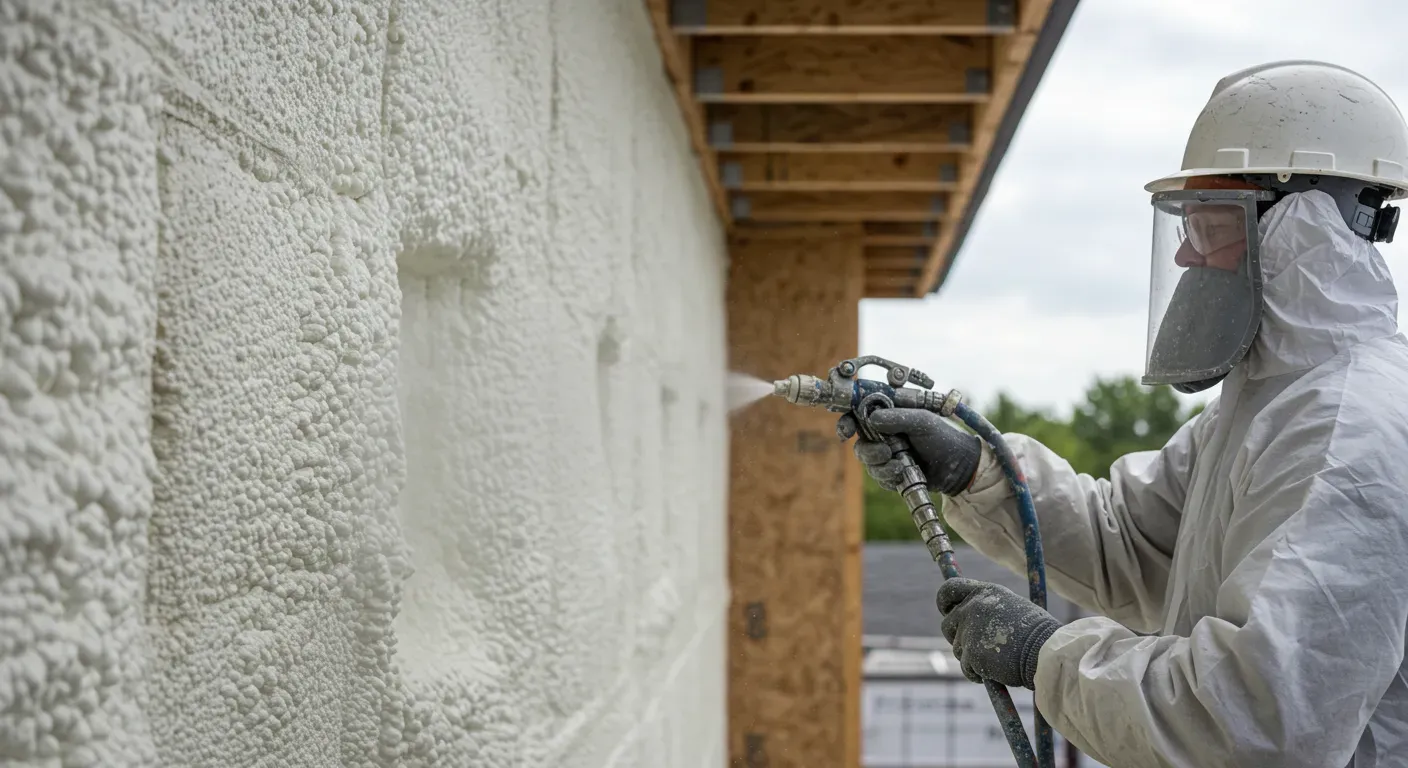
Closed-cell spray foam insulation stands out as the superior insulation choice when a project requires maximum thermal resistance in a limited space, structural reinforcement, and a built-in vapor barrier. Because it cures into a dense, rigid plastic, it provides an R-value of roughly 6.5 to 7.0 per inch, nearly doubling the efficiency of most other materials. This makes it the primary solution for flood-prone areas, unvented attics, and metal buildings where moisture control and air sealing are just as important as temperature regulation.
This guide explores the specific scenarios where this heavy-duty material outperforms alternatives. Based on decades of building science and field applications, the following information provides a clear path for property owners to determine if this high-performance material fits their specific structural needs.

Understanding the Physical Properties of Closed-Cell Foam
To understand why this material is selected for certain jobs, one must look at its physical makeup. Unlike open-cell foam, which has tiny bubbles that remain "open" and filled with air, the cells in closed-cell foam are pressed together and filled with a specialized gas. This gas conducts less heat than air, which is why the R-value is so high.
The density is another factor. Most Closed-Cell Spray Foam experts point out that this material weighs about two pounds per cubic foot. This density allows it to act as a glue, bonding to walls and roofs to increase the structural racking strength of a building. In areas with high winds or seismic activity, this added rigidity provides a measurable safety benefit.
Comparison of Common Insulation Performance

Managing Moisture and Vapor in Challenging Climates
In cold or humid climates, such as those found in the Pacific Northwest or coastal regions, moisture migration through walls can cause rot and mold. Closed-Cell Spray Foam services are often requested specifically to address these concerns because the material acts as its own vapor retarder. When applied at a thickness of at least 1.5 inches, it prevents water vapor from moving through the building envelope and condensing on cold surfaces.
In these areas, the constant pressure of humidity can overwhelm standard insulation. Since the foam does not absorb water, it remains effective even if a minor leak occurs. If a basement floods or a pipe bursts, the foam does not need to be ripped out and replaced like fiberglass or cellulose would; it simply dries off and continues to work.
Bonus Tip: When insulating a crawl space or basement, applying foam directly to the rim joists is one of the most effective ways to stop drafts and prevent insects from entering the home.
Maximizing Space in Small Cavities
When working with older homes or thin-wall assemblies, space is at a premium. A standard 2x4 wall cavity only offers 3.5 inches of depth. Using traditional materials in this space might only yield an R-value of 11 to 13. By using a Closed-Cell Spray Foam company, a property owner can achieve an R-value of nearly 24 in that same space.
This space-saving quality is also useful in vaulted ceilings. Most building codes require a specific R-value for roofs, but many rafters aren't deep enough to hold thick blankets of fiberglass. Using high-density foam allows the builder to meet code requirements without having to "fur out" the rafters or lower the ceiling height.
Structural Reinforcement and Exterior Applications
The rigid nature of this insulation makes it a common choice for industrial and exterior applications. It is frequently used on the underside of roof decks to prevent shingles from blowing off during storms. Studies have shown that walls filled with this foam can have up to three times the racking strength of uninsulated walls.
Outside the home, it is often applied to the exterior of foundation walls before backfilling with dirt. Because it is strong enough to withstand the pressure of the soil and resistant to liquid water, it provides a seamless thermal break that protects the concrete from freeze-thaw cycles.
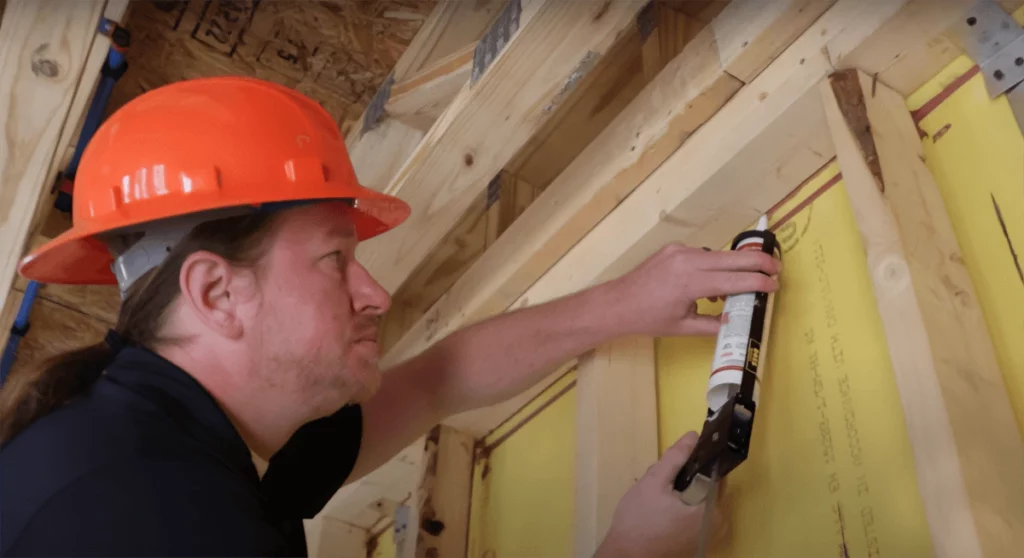
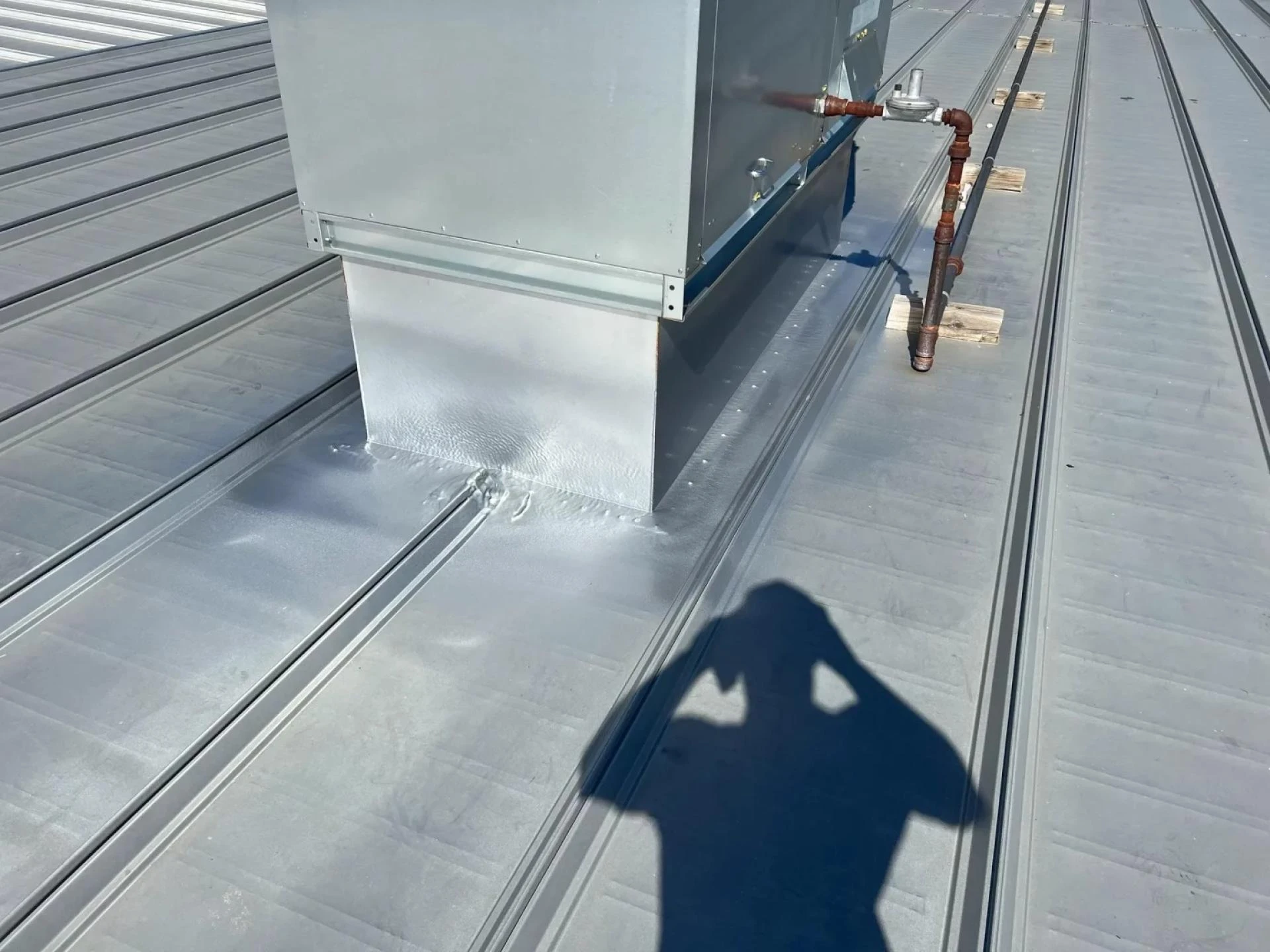
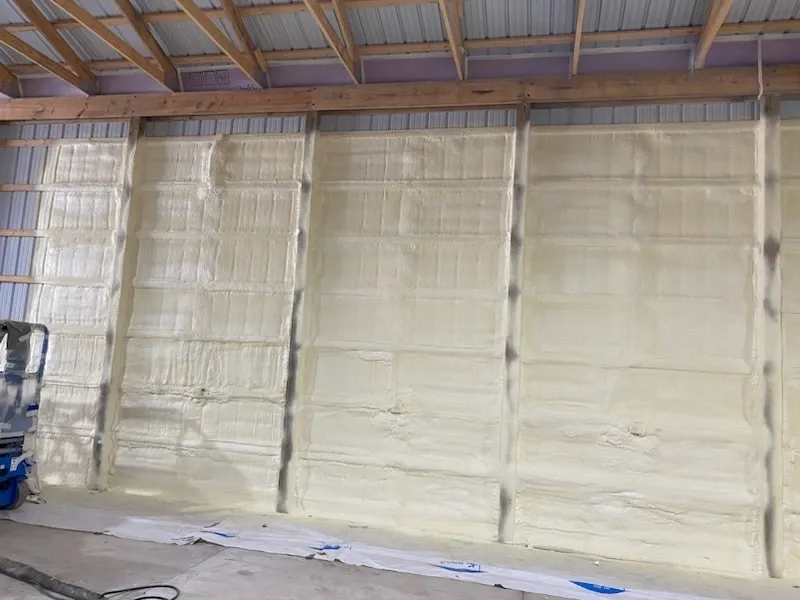
Bonus Tip: For metal buildings or "pole barns," this foam is almost always the best choice. It sticks to the metal panels and prevents the "sweating" or condensation that typically happens when warm indoor air hits cold metal.
Things to Consider Before Making a Decision
While the benefits are significant, there are factors to weigh before starting an installation:
- Initial Cost: The material and labor for high-density foam are higher than those for other types of insulation. The return on investment usually comes through lower monthly utility bills and the lack of a need for separate vapor barriers.
- Permit Requirements: Some local jurisdictions have specific rules regarding where foam can be left exposed and where it must be covered by a thermal barrier, such as half-inch drywall or specialized fire-retardant paint.
- Occupancy Timing: During the application and curing process, the building usually needs to be vacated for 24 hours to allow for proper off-gassing.
- Future Changes: Because the foam is so hard and sticks so well, it is difficult to remove. Homeowners should ensure all electrical and plumbing work is finished before the foam is sprayed.
Common Application Areas
The following areas benefit the most from this specific material:
- Unvented Attics: Creating a "conditioned" attic space by spraying the underside of the roof deck.
- Flood Zones: Use in lower levels where water contact is a possibility.
- Cantilevered Floors: Insulating floors that hang out over the exterior to prevent cold feet.
- Wine Cellars: Maintaining tight temperature and humidity control.
Questions People Ask About High-Density Foam
Is closed-cell foam waterproof?
While no material is technically "waterproof" under all pressures, closed-cell foam is classified as flood-resistant by FEMA. It does not soak up water, and its physical structure remains intact even after prolonged contact with moisture. This makes it the only insulation recommended for areas prone to flooding.
Does it stop all noise?
It is an excellent air sealer, which stops "airborne" noise like talking or music. However, because it is so rigid, it is not as good at absorbing "impact" noise (like footsteps) as softer materials like open-cell foam or mineral wool. For total soundproofing, some people use a combination of materials.
Can it be used in an existing home?
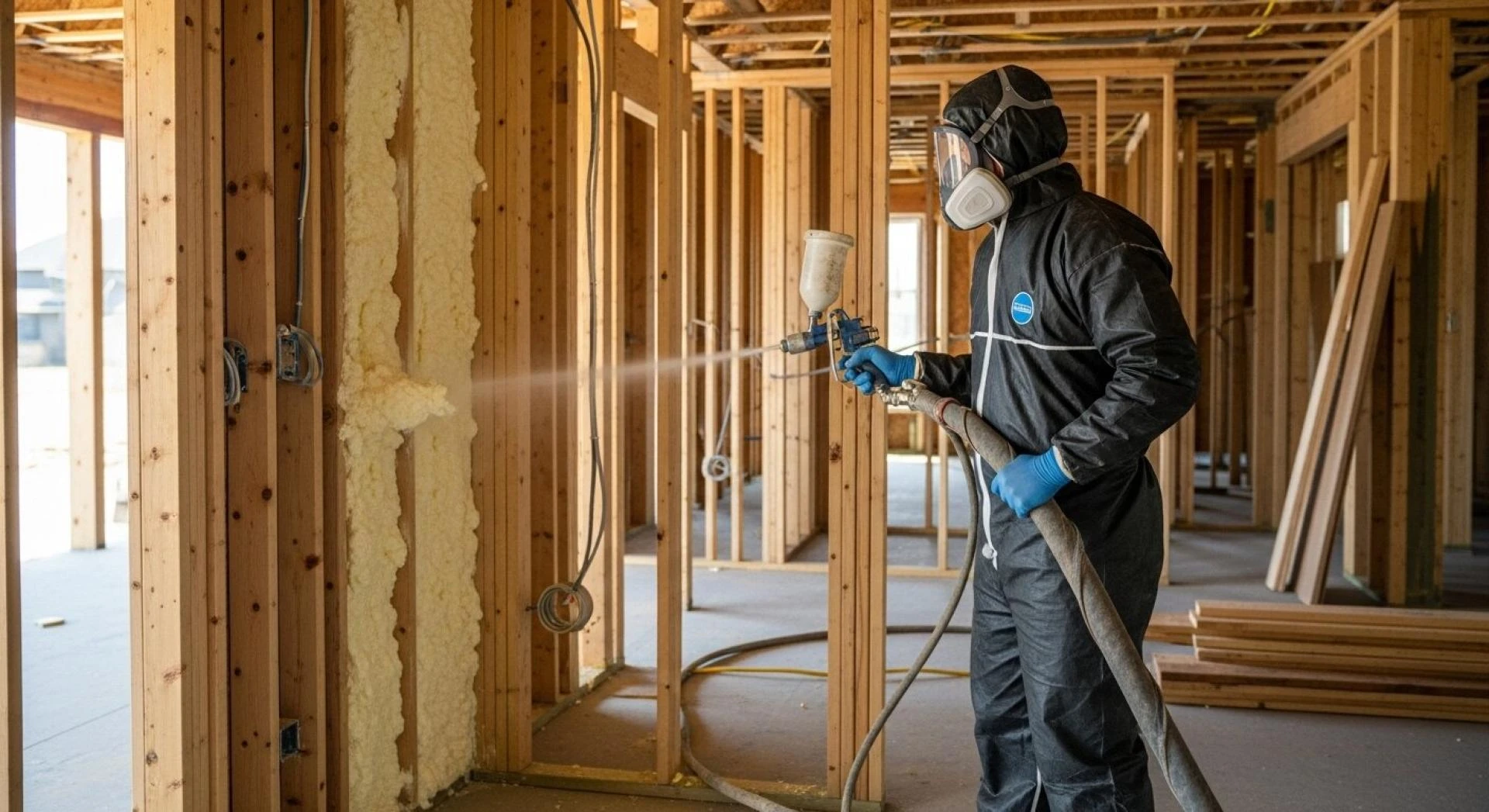
Yes, but it is easiest to apply during a renovation when the wall studs are exposed. For finished walls, it is generally not used because it expands with enough force to potentially push drywall off the studs if not monitored carefully.
How long does the insulation last?
The material is designed to last for the life of the building. It does not sag, settle, or lose its R-value over time. As long as it is protected from direct UV sunlight, it remains stable and effective for decades.
Summary of Best Uses
Choosing the right insulation depends on the specific goals of the project. Closed-cell foam is the clear winner when structural integrity, vapor control, and high thermal resistance in thin spaces are the priorities. While the upfront investment is higher, the long-term protection against moisture and the significant reduction in energy loss often justify the cost for permanent structures. Owners should evaluate their local climate and the specific physical demands of their building to see if this high-performance material aligns with their goals.
Seeking Professional Insulation Guidance
When a project demands high-performance thermal protection, contacting a specialized Closed-Cell Spray Foam company is the most effective way to ensure a proper installation. Experienced teams understand the chemistry and temperature requirements needed for the foam to bond correctly to various substrates. Cascadia Spray Foam Insulation of Seattle provides comprehensive assessments for those looking to upgrade their building envelope. Their team can be reached at (425) 386-3500 or via email at [email protected] to discuss residential or commercial needs. Whether the goal is to reinforce a structure or create a moisture-proof barrier in a basement, they provide the technical knowledge required for a successful application.



























Sign in to leave a comment.