
Spray foam insulation can be an effective defense against water damage when installed correctly. Its dense, seamless structure creates a barrier that prevents moisture infiltration, reducing risks like mold growth, wood rot, and structural damage.
Key Takeaways:
- Spray foam forms a continuous moisture barrier, sealing gaps and cracks.
- Closed-cell spray foam can withstand water exposure better than open-cell foam.
- Professional installation ensures optimal protection against leaks and condensation.
How Spray Foam Works Against Moisture
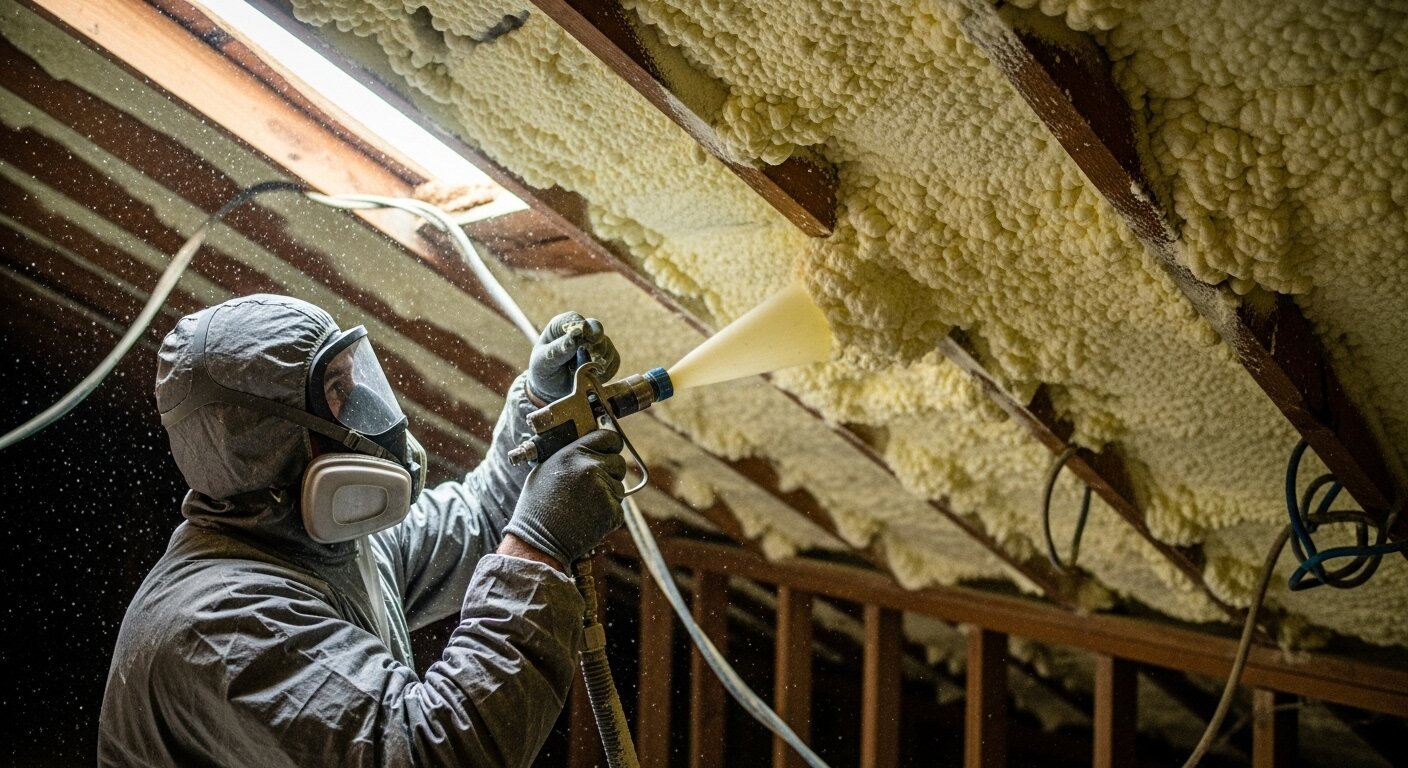
Spray foam insulation expands on contact, filling cavities, cracks, and seams. This expansion blocks air and water pathways, making it much harder for moisture to penetrate walls, roofs, or basements. For homeowners looking for extra protection, choosing a Spray Foam Waterproof option ensures long-lasting moisture resistance.
Closed-Cell vs. Open-Cell Spray Foam
- Closed-Cell Foam: Dense, rigid, and highly resistant to water absorption. It can even act as a vapor barrier in basements and crawlspaces, preventing moisture buildup. According to Energy Vanguard, closed-cell foam has a water absorption rate under 2%, making it ideal for water-prone areas.
- Open-Cell Foam: Softer, more porous, and better at soundproofing. However, it’s more susceptible to moisture and should be paired with a vapor barrier for optimal protection.
Tip: Always confirm the foam type with your contractor to match your home’s moisture needs.
Benefits of Spray Foam for Water Damage Prevention
Spray foam insulation offers multiple benefits beyond temperature control.
- Mold and Mildew Resistance: By sealing out moisture, spray foam minimizes the conditions where mold can thrive. The Environmental Protection Agency notes that controlling moisture is key to preventing mold growth indoors.
- Structural Protection: Continuous insulation prevents water from seeping into wood frames, reducing rot and extending the life of your home.
- Energy Efficiency: By eliminating drafts and water leaks, spray foam reduces energy bills while maintaining dry walls.
Common Scenarios Where Spray Foam Prevents Water Damage
Spray foam works best in locations where moisture infiltration is most common, and using Spray Foam Waterproof can provide an extra layer of protection against leaks and dampness.
| Area | How Spray Foam Helps |
|---|---|
| Basements | Seals foundation cracks and walls, keeping groundwater out. |
| Attics | Prevents roof leaks from saturating insulation and rafters. |
| Exterior Walls | Blocks rain-driven moisture from entering siding gaps. |
| Crawlspaces | Reduces dampness and protects HVAC systems from corrosion. |
Note: While spray foam is highly effective, it’s not a replacement for proper drainage or roof maintenance.
Installation Considerations for Maximum Protection
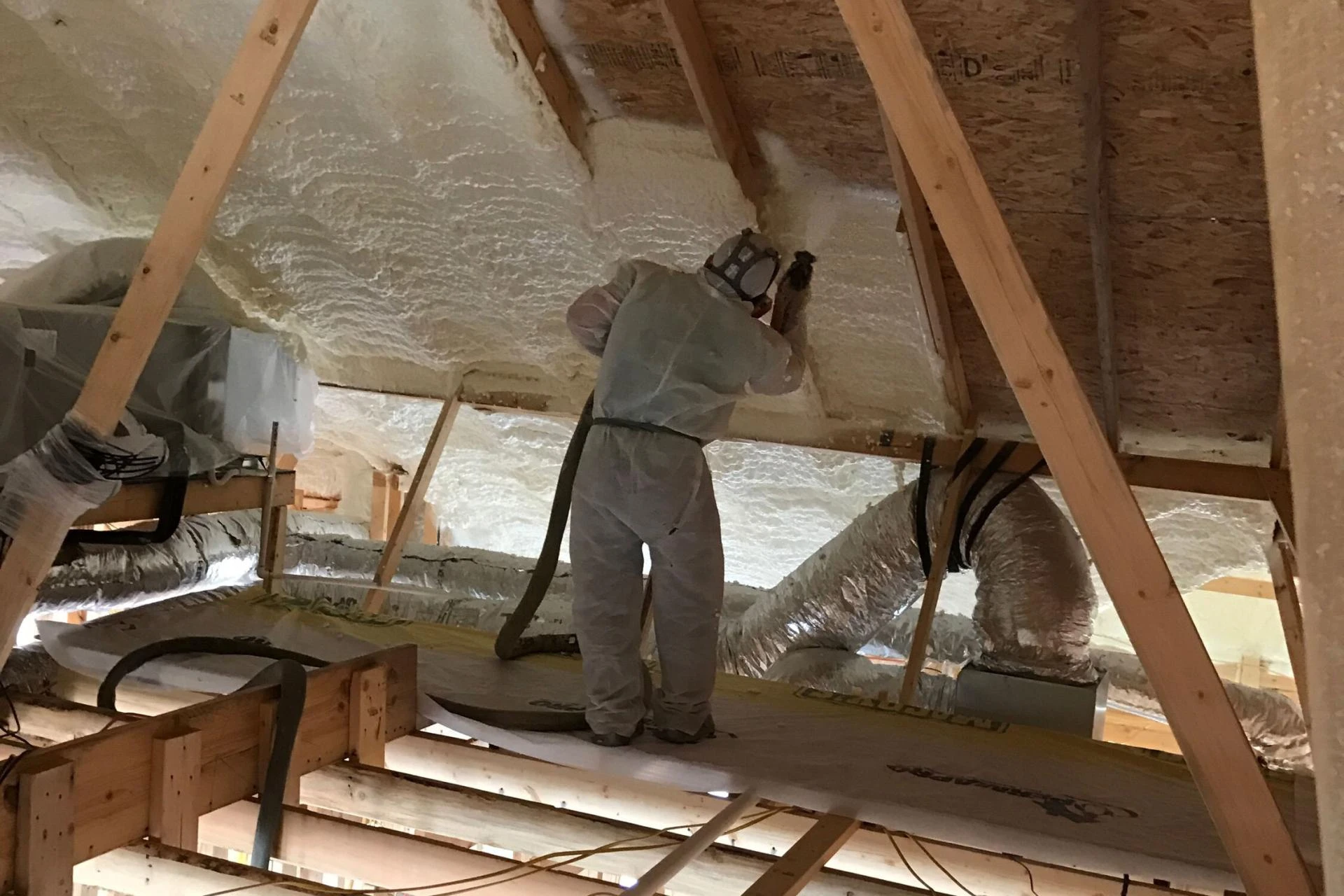
Professional installation is critical for water resistance:
- Surface Preparation: Surfaces must be dry and clean for proper adhesion.
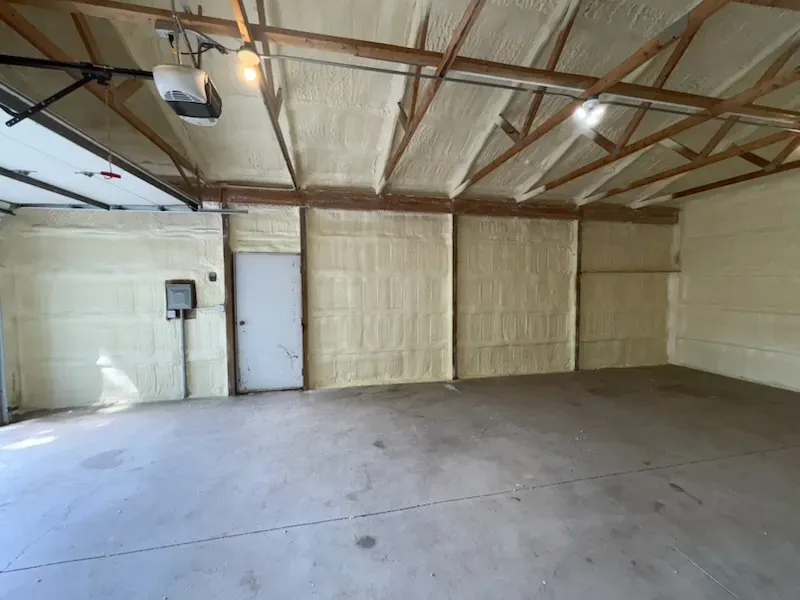
- Proper Thickness: Closed-cell foam should reach the manufacturer’s recommended thickness to act as a true moisture barrier.
- Code Compliance: Certain areas, like Seattle, may have specific building codes regarding vapor barriers and insulation.
According to Spray Foam Magazine, improper application can leave gaps that allow water to bypass insulation, reducing protection and causing hidden damage.

Comparing Spray Foam to Other Moisture Barriers
| Material | Water Resistance | Pros | Cons |
|---|---|---|---|
| Fiberglass | Low | Affordable | Prone to mold if wet |
| Cellulose | Medium | Eco-friendly | Absorbs moisture |
| Closed-Cell Spray Foam | High | Seamless, structural support | Higher upfront cost |
| Open-Cell Spray Foam | Low-Medium | Soundproofing | Needs vapor barrier |
Spray foam offers superior protection, but upfront costs are higher. Many homeowners find long-term savings through energy efficiency and reduced water damage repairs.
Real-World Insights
In a Seattle-area case study, a home with closed-cell spray foam in its crawlspace experienced no water intrusion despite heavy rains, whereas neighboring homes with fiberglass insulation reported mold issues and wood decay. Professional installation and selecting the correct foam type were key factors in this outcome.
Conclusion
Spray foam insulation, especially closed-cell varieties, is a highly effective barrier against water damage. It prevents leaks, blocks moisture, and protects your home’s structural integrity.
Ready to protect your home with spray foam insulation? Contact Cascadia Spray Foam Insulation of Seattle
at [email protected] or
call (425) 386-3500 for expert guidance.
FAQs About Spray Foam and Water Protection
1. Can spray foam stop basement flooding?
Spray foam can block small leaks and prevent moisture seepage, but it’s not a replacement for proper drainage systems.
2. How long does spray foam last against water?
Closed-cell foam can last decades if installed correctly and kept dry on the outer surface.
3. Is spray foam better than fiberglass for moisture-prone areas?
Yes. Closed-cell spray foam resists water and mold better than fiberglass, which absorbs moisture and can harbor mold.
4. Can open-cell spray foam handle damp conditions?
Open-cell foam is less water-resistant. It’s best used with a vapor barrier to protect against moisture.
5. Does spray foam prevent mold?
By controlling moisture, spray foam minimizes mold growth, but it can’t treat existing mold.
6. How much does professional spray foam installation cost in Seattle?
Costs vary based on area and foam type, but closed-cell foam typically ranges from $1.50–$3 per square foot.
7. Is DIY spray foam effective for water protection?
DIY kits may seal small gaps but rarely match the coverage and density achieved by professionals, leaving potential water entry points.
Reviewer
Reviewer: Sophie Williams reviewed this post with 7 years of field experience, ensuring practical insights and actionable guidance for homeowners.
Sources
- Energy Vanguard - Technical insights on closed-cell vs. open-cell spray foam.
- Environmental Protection Agency - Guidance on moisture control and mold prevention.
- Spray Foam Magazine - Best practices for professional spray foam installation.


























Sign in to leave a comment.