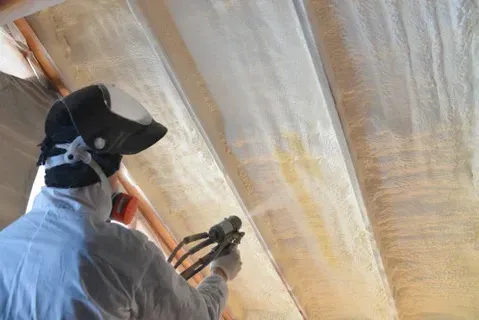
Spray foam stops heat transfer by creating a continuous air barrier that fills every crack and gap in your building's structure, delivering powerful spray foam insulation benefits for long-term energy efficiency. Unlike traditional materials, it expands upon application to prevent air leakage, which accounts for a large portion of energy loss in Pacific Northwest homes.
This guide explains the science behind thermal resistance and air sealing to help you understand how to lower your utility bills. By examining local climate factors and material performance, you can see why this method outlasts other options.
The Science Behind Thermal Resistance and Air Sealing
Heat moves from warmer spaces to cooler ones through conduction, convection, and radiation. In a typical Marysville home, winter warmth escapes through the attic while summer heat pushes inside through the walls. Spray foam addresses this by providing a high R-value per inch and a physical seal.
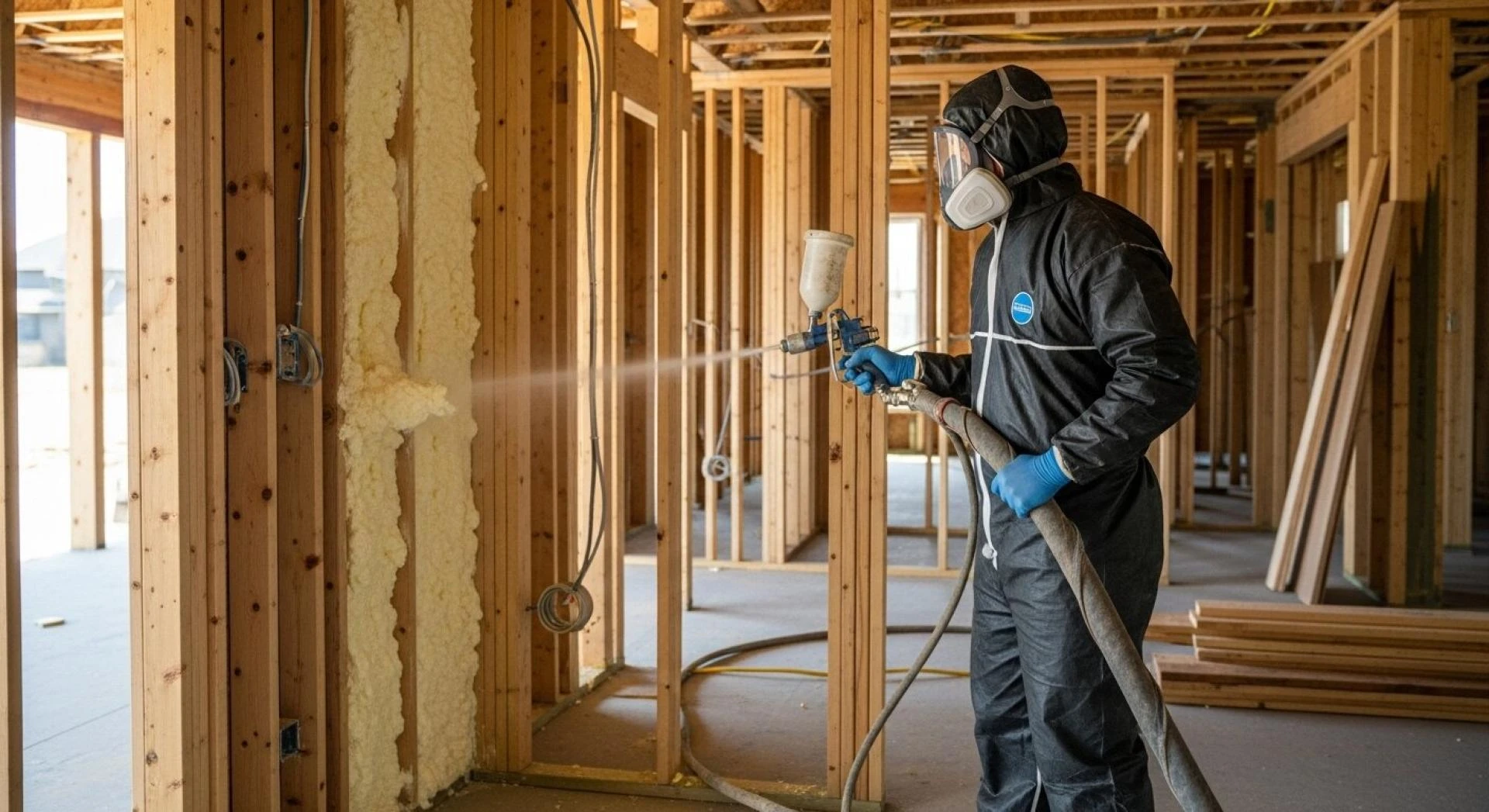
Traditional fiberglass batts often leave small gaps around wires, pipes, and outlets. These gaps allow air to move freely, carrying heat with it. Spray foam expands to 30 or 60 times its liquid volume, ensuring that these tiny openings are completely sealed off from the outside environment.

Building science experts note that air infiltration can represent up to 40% of a home's total energy loss. Because spray foam acts as both insulation and an air barrier, it tackles two problems at once. This dual action makes it more efficient than using separate house wraps and blown-in materials.
Bonus Tip: When you treat your attic with spray foam, you can often move your HVAC equipment into a conditioned space. This prevents your furnace or AC from working overtime to compensate for extreme attic temperatures.
How Does Local Climate Affect Your Insulation Choice?
Marysville experiences a maritime climate with significant humidity and cool, damp winters. Standard insulation materials can absorb moisture from the air, which leads to sagging and a decrease in thermal performance over time. Spray foam is resistant to moisture absorption, maintaining its shape and effectiveness.
Closed-cell spray foam also acts as a vapor retarder. This is particularly useful in the Puget Sound area where moisture drive can move from the damp exterior into your wall cavities. By blocking this movement, you protect your wooden framing from rot and prevent the growth of organic contaminants.
Thermal Performance Comparison
Understanding the differences between common materials helps you see where your money goes. The following table compares how different insulation types handle the specific challenges found in Snohomish County homes.

Why Air Leaks Matter More Than You Think
Most people focus only on R-value, but air leakage is the silent killer of home comfort. Even if you have thick insulation, a drafty house will never feel warm. Spray foam creates a "monolithic" seal, meaning there are no seams or joints where air can bypass the thermal layer.
During the windy seasons common in Western Washington, air pressure can force cold air through your siding and into your living space. A proper seal keeps your indoor air pressurized correctly. This means your heating system runs shorter cycles, extending the life of your equipment.
The density of the foam also provides the secondary benefit of sound dampening. If you live near busy roads or under flight paths, the thick cell structure helps block external noise. This creates a quieter, more peaceful indoor environment for your family or employees.
Bonus Tip: Focus on the "rim joists" in your basement or crawl space. This area is a major source of air leakage in older Marysville homes, and applying spray foam here is one of the most effective ways to see immediate results.
Factors to Evaluate Before You Upgrade Your Insulation
Before moving forward with a project, you should examine the current state of your attic and crawl space. If you have existing mold or water damage, those issues must be fixed before applying new foam. Spray foam is a permanent solution, so the surfaces underneath must be clean and dry.
You should also consider the age of your electrical wiring. Some older "knob and tube" wiring cannot be covered by insulation because it requires air circulation to stay cool. An expert can help you identify if your home requires electrical updates before the foam is sprayed into the wall cavities.
Another factor is the ventilation of your roof. Applying foam directly to the underside of the roof deck creates an "unvented attic." This is a modern approach that keeps your attic at a temperature similar to your living room, but it requires a specific application technique to ensure the roof shingles stay within their warranty temperature range.

Long Term Value and Sustainability
While the initial cost of spray foam is higher than fiberglass, the return on investment comes through monthly savings. Homeowners in the Marysville area often see a reduction in heating and cooling costs of 15% to 50%. Over several years, the material effectively pays for itself through lower utility bills.
Furthermore, spray foam does not settle or compress. Blown-in cellulose can lose its height and R-value over a decade, requiring you to "top it off" with more material. Foam remains in place for the life of the structure, providing the same level of protection on day 5,000 as it did on day one.
From an environmental perspective, reducing energy consumption is one of the best ways to lower your carbon footprint. Using less natural gas or electricity to heat your home directly benefits the local ecosystem. Many modern foam products also use blowing agents with low global warming potential.
Summary of Benefits for Property Owners
Using spray foam in Marysville provides a comprehensive solution for temperature control and moisture management. It stops air leaks, offers the highest R-value per inch, and protects building materials from the damp Northwest climate. By choosing this method, you ensure your property remains comfortable and energy-efficient for decades.
Consult with Local Professionals for a Custom Energy Assessment
If you want to improve your home comfort and lower your energy bills, speaking with a specialist is the best next step. To help property owners throughout the Snohomish County region achieve better thermal performance, Cascadia Spray Foam Insulation of Seattle offers professional guidance and detailed assessments of your building envelope. They can suggest the right foam type for your specific needs. For a free quote and to discuss your project details, you can reach them by calling (425) 386-3500 or by sending an email to [email protected].
Common Questions About Insulation Upgrades
How long does it take for the spray foam smell to go away?
The off-gassing process is usually complete within 24 hours. Professionals use high-powered fans to ventilate the area during and after the application. You should stay out of the building during the spray process and for the specific time frame recommended by the crew, which is usually one day.
Can spray foam be installed in an existing home with finished walls?
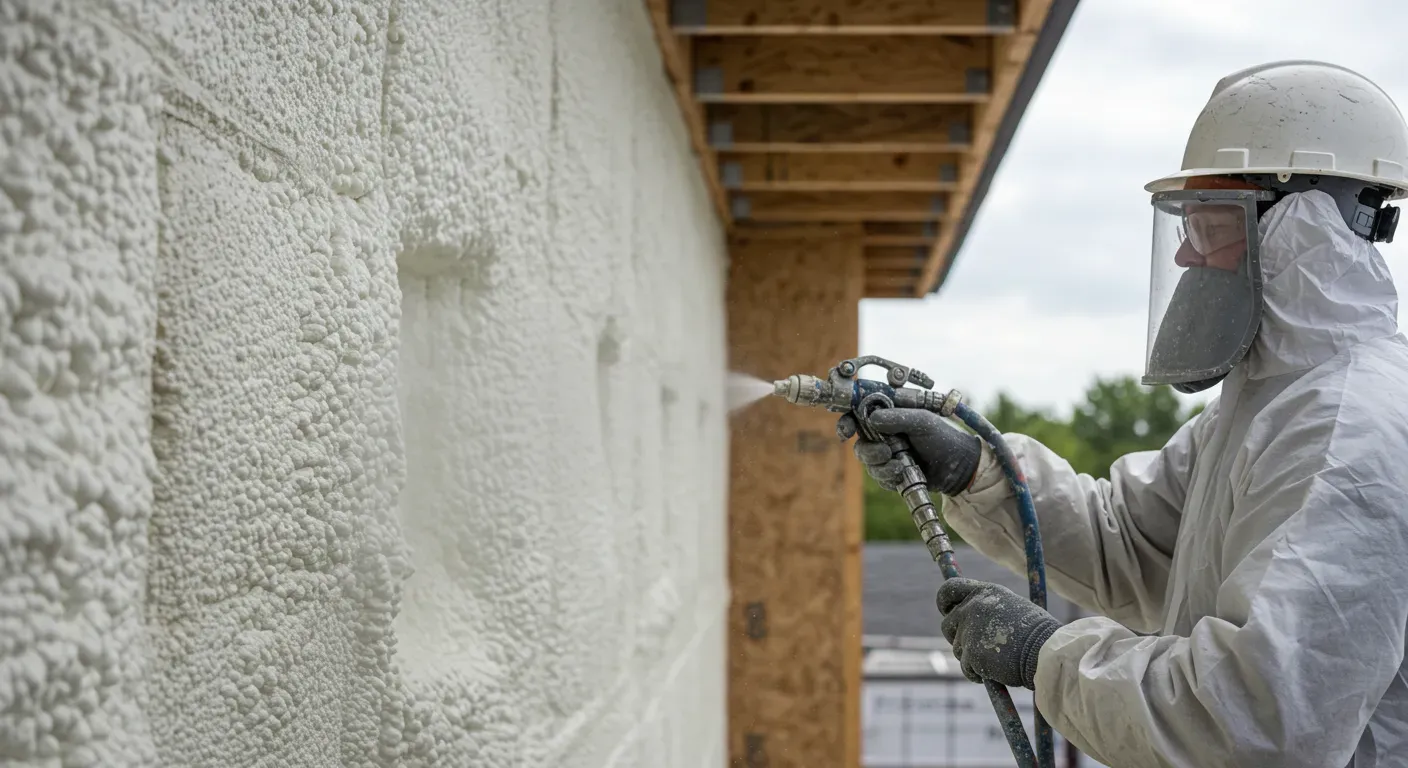
Yes, though it requires a different method. Technicians can drill small holes in the siding or drywall to inject "slow-rise" foam into the wall cavities. This foam expands more slowly than the standard type to fill the gaps without putting too much pressure on your walls.
Does spray foam attract pests like ants or rodents?
Spray foam does not provide any nutritional value to pests, so they do not eat it. Because it creates an airtight seal, it actually helps keep bugs and rodents out by closing the small entry points they use to get inside. It is much harder for a mouse to chew through dense foam than to nest in soft fiberglass.
Is it possible to spray foam over old insulation?
It is generally not recommended to spray foam directly over old fiberglass or cellulose. To achieve the best seal and prevent trapping old dust or moisture, the old material should be removed. This allows the foam to bond directly to the wood or substrate, creating the most effective air barrier.
Will spray foam make my house too tight for air circulation?
Modern building science emphasizes the principle of "build tight and ventilate right." While the foam stops uncontrolled leaks, your home still needs fresh air. This is usually managed through your HVAC system or mechanical vents, ensuring you have clean air without losing your expensive heated or cooled air.



























Sign in to leave a comment.