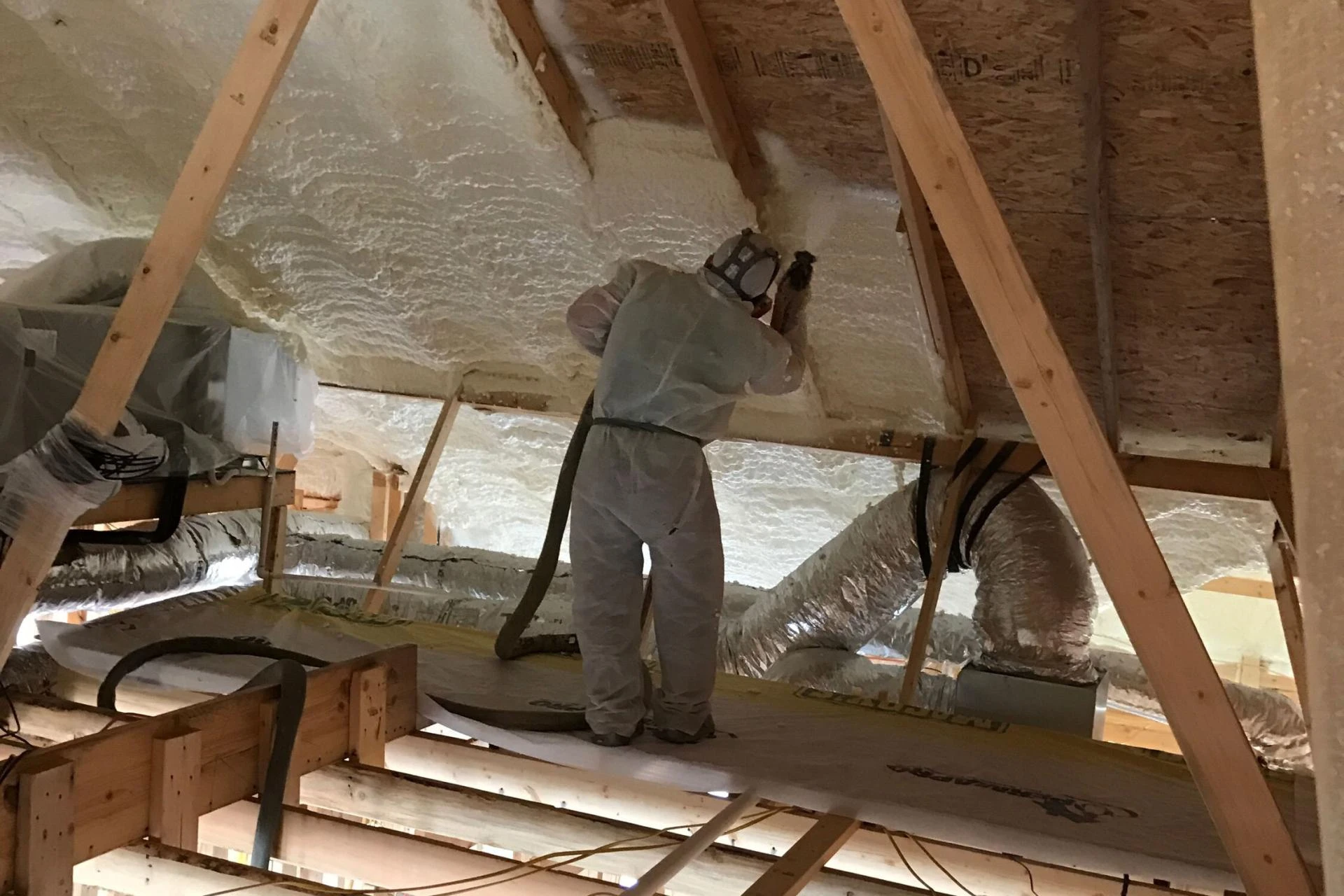
Yes, Residential Spray Foam Insulation works very well in metal buildings when it is applied correctly. It adheres directly to metal panels, creates an air seal, and reduces condensation that commonly forms inside steel structures.
Metal buildings are prone to heat gain, heat loss, and moisture issues because steel conducts temperature quickly. Residential Spray Foam Insulation addresses these weaknesses by forming a continuous barrier that limits air movement and thermal transfer. This article explains how it performs, where it makes sense, and what property owners should evaluate before hiring Residential Spray Foam Insulation services.
The information below reflects field experience insulating metal garages, shops, and residential barndominiums in varied climate conditions.
Why Metal Buildings Need Specialized Insulation
Metal structures behave differently than wood framed homes. Steel transfers heat rapidly and cools down quickly at night.
Without proper insulation, interior temperatures fluctuate throughout the day. Condensation can also develop when warm indoor air meets cool metal panels.
Thermal Conductivity of Steel
Steel has a much higher thermal conductivity than wood. This means outdoor temperatures pass through metal walls and roofs faster.
In summer, metal siding can reach well above 100 degrees Fahrenheit in direct sun. In winter, interior surfaces may become cold enough to form condensation.
Condensation Risk
Condensation is one of the biggest issues in metal buildings. When warm air touches cool metal, moisture forms.
Over time, trapped moisture can lead to rust, mold growth, and damage to stored belongings. Residential Spray Foam Insulation experts often recommend closed cell foam in these settings because it limits both air movement and vapor diffusion.

How Residential Spray Foam Insulation Performs in Metal Buildings
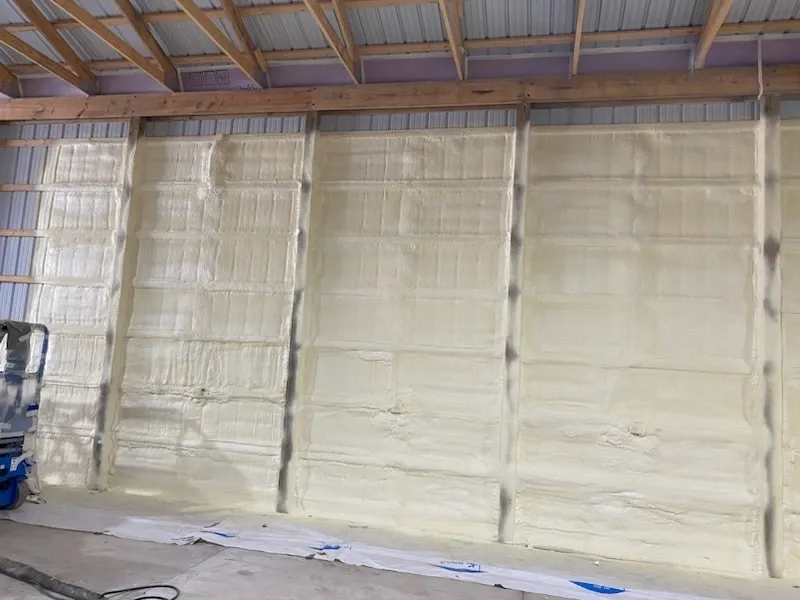
Spray foam works by expanding and bonding directly to surfaces. In metal structures, this adhesion provides several benefits beyond simple insulation.
Air Sealing and Thermal Control
Spray foam fills gaps, seams, and fastener penetrations. This reduces uncontrolled airflow, which can account for up to 30 percent of heating and cooling energy use in many buildings.
By sealing these points, Residential Spray Foam Insulation services help stabilize indoor temperatures and reduce HVAC strain.
Moisture Barrier Benefits
Closed cell spray foam creates a dense layer that resists water vapor movement.
In humid climates or regions with large temperature swings, this helps prevent condensation on the underside of metal roofs and walls.
Structural Reinforcement
Closed cell foam can add rigidity to metal panels. While it is not a structural framing system, it can reduce panel vibration and noise during heavy rain.
Comparing Insulation Options for Metal Buildings
Not all insulation types perform equally in metal structures. The table below highlights key differences.
| Feature | Fiberglass Blanket | Rigid Board | Spray Foam |
|---|---|---|---|
| Air sealing | Low | Moderate | High |
| Condensation control | Limited | Moderate | Strong |
| Adhesion to metal | None | Mechanical fasteners | Direct bond |
| R value per inch | 3.0 to 3.5 | 4.0 to 6.5 | 3.5 to 7.0 |
| Longevity | Can sag | Stable | Long lasting when protected |
Fiberglass systems often leave gaps at seams and can sag over time. Spray foam forms a continuous layer that reduces these weak points.
According to industry energy data, buildings with proper air sealing and insulation can reduce heating and cooling demand by 15 to 40 percent depending on climate and building use.
Ideal Applications for Spray Foam in Metal Structures
Spray foam performs especially well in certain types of residential metal buildings.
Barndominiums and Metal Homes
Many homeowners now choose metal framed barndominiums. These structures benefit from insulation that conforms to curved or ribbed panels.
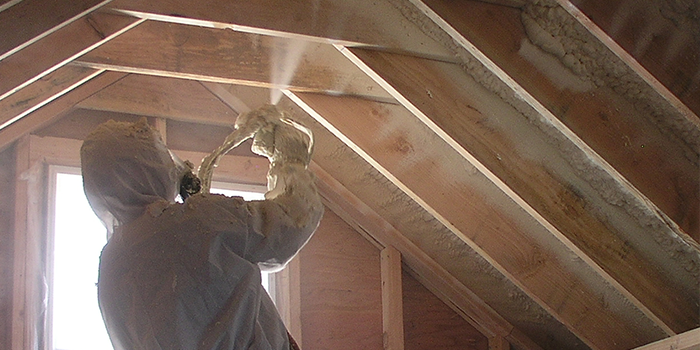
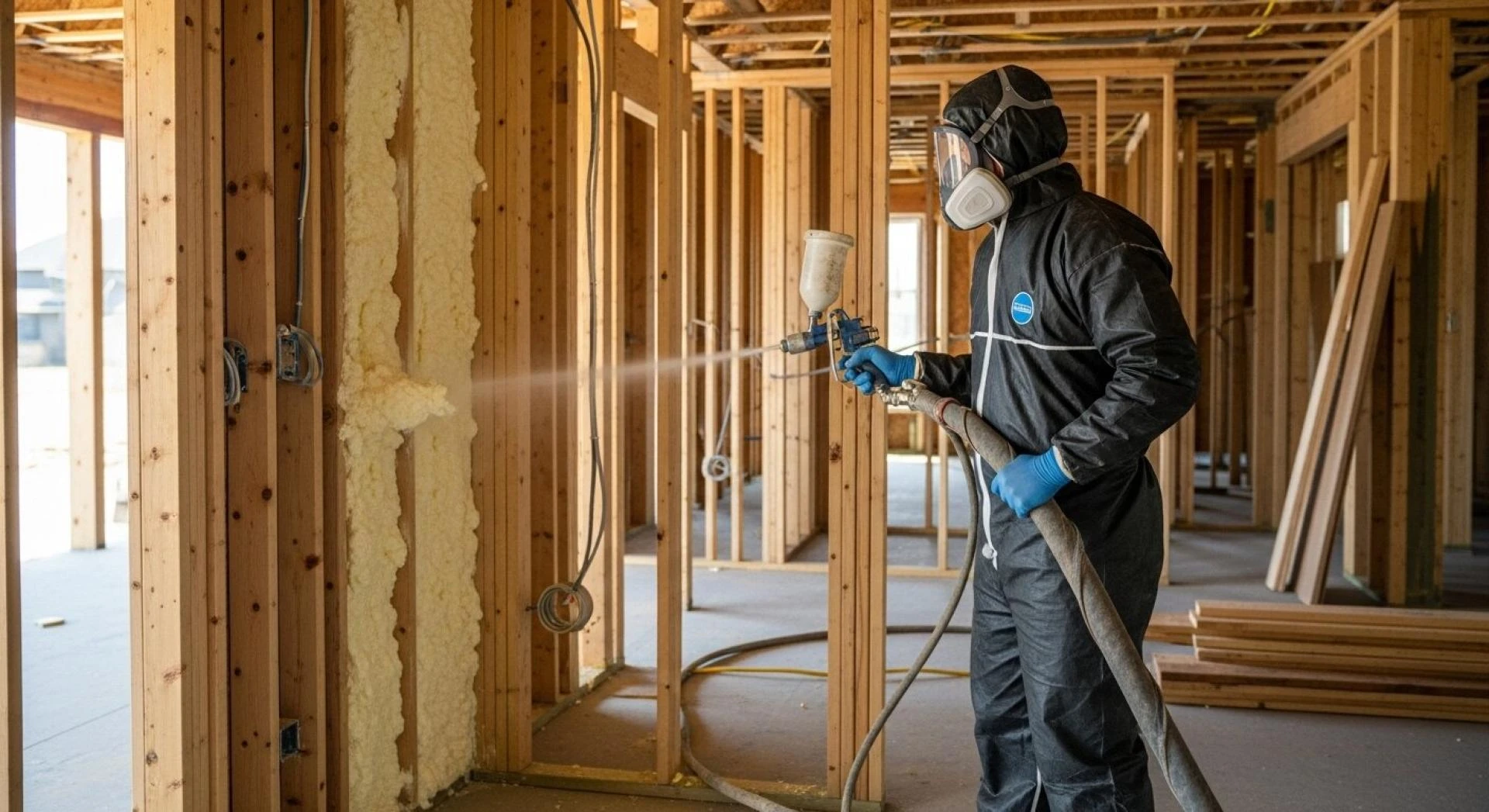
Residential Spray Foam Insulation contractor teams often apply foam directly to roof decks and wall panels before interior finishing.
Detached Garages and Workshops
Uninsulated garages can become extremely hot in summer and cold in winter.
Spray foam reduces temperature swings and helps protect tools, vehicles, and equipment from moisture.
Address Ventilation Design
Insulation should align with the ventilation strategy. Conditioned spaces may require mechanical ventilation.
Protect Foam with Thermal Barriers
Building codes often require a thermal barrier over spray foam in occupied spaces.
Plan for Electrical and Plumbing
Running utilities before foam application avoids cutting into the insulation later.
Things to Consider Before Making a Decision
Before choosing spray foam for a metal building, property owners should review several factors.
First, determine how the space will be used. A conditioned living area requires different R values than a storage shed.
Second, check local building codes. Minimum insulation requirements vary by climate zone.
Third, evaluate budget and long term goals. Spray foam typically costs more upfront than fiberglass but offers stronger air sealing and moisture control.
Working with a knowledgeable Residential Spray Foam Insulation company helps ensure correct thickness, proper detailing, and code compliance.
Climate Considerations for Metal Buildings
In hot climates, roof temperatures can rise significantly. Spray foam applied to the underside of metal roofing reduces radiant heat transfer into the space below.
In cold or marine climates, condensation risk increases during seasonal temperature swings. Closed cell foam helps prevent interior moisture from reaching cool metal surfaces.
Energy efficiency standards continue to tighten nationwide. Many regions now require higher R values for residential structures, including metal homes.
Evaluate Performance and Long Term Value
Residential Spray Foam Insulation works effectively in metal buildings by sealing air gaps, controlling condensation, and improving thermal resistance. It addresses common weaknesses of steel structures that traditional insulation may not solve.
Property owners should consider usage, climate, and building code requirements before moving forward. Careful planning leads to better comfort and energy performance.
Connect With Experienced Insulation Professionals
For those evaluating insulation options for a metal building, Cascadia Spray Foam Insulation of Seattle offers assessments tailored to residential metal structures. They review building design, climate conditions, and performance goals before recommending insulation thickness and type.
They can be contacted at [email protected] or (425) 386-3500 for project specific guidance.
Questions People Ask About Residential Spray Foam Insulation
Metal building owners often ask practical questions before investing.
Does spray foam stick well to metal?
Yes. When surfaces are clean and dry, spray foam bonds strongly to metal panels.
Will it stop roof sweating?
Closed cell spray foam significantly reduces condensation by limiting warm air contact with cool metal.
Is open cell foam suitable for metal buildings?
Open cell can be used in some cases, but closed cell offers better moisture resistance and higher R value per inch.
How long does spray foam last in metal buildings?
When protected from UV exposure and physical damage, it can last decades.
Can spray foam reduce noise in a metal shop?
Yes. It dampens vibration and reduces echo compared to bare metal surfaces.
Reviewer: Olivia Thompson has spent 10 years working in spray foam insulation, helping companies grow their visibility. She reviewed this article and provided valuable suggestions to better align the content with customers' needs and expectations, ensuring it resonates with the target audience.
























Sign in to leave a comment.