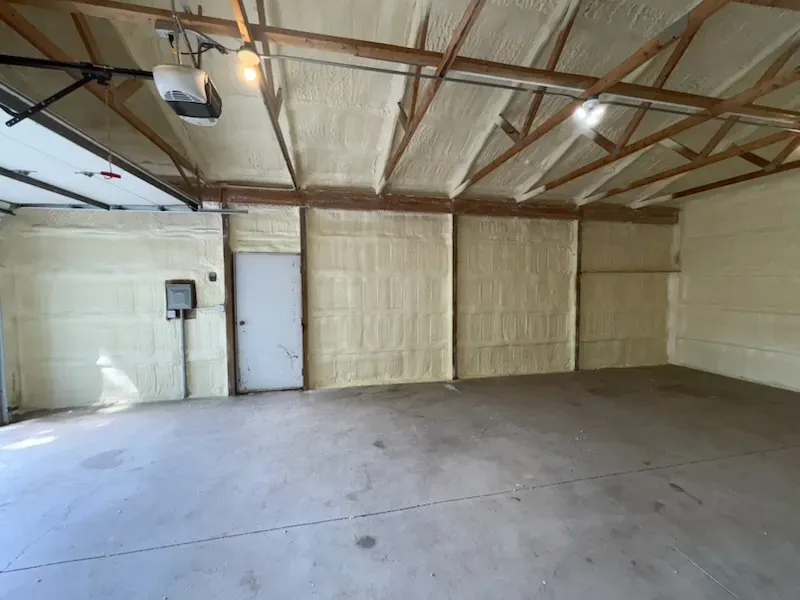
Spray foam insulation in Seattle, WA is one of the most effective ways to seal building’s cool, damp climate. It reduces air leaks, improves comfort, and supports long-term energy efficiency for both residential and commercial properties.
Quick Answers That Matter Most
- Spray foam creates an airtight seal that limits heat loss and drafts
- Proper insulation improves comfort and protects buildings from moisture damage
- Sealing gaps helps HVAC systems work more efficiently year-round
Why Sealing and Insulation Matter in Seattle Homes and Buildings
Seattle’s weather puts constant pressure on building envelopes. Cool temperatures, frequent rain, and high humidity increase the risk of heat loss and moisture intrusion if insulation is outdated or incomplete.
According to guidance from the U.S. Department of Energy insulation and air sealing research, uncontrolled air leakage is a leading cause of wasted energy in both homes and commercial buildings. Sealing these gaps is often more impactful than adding insulation alone.
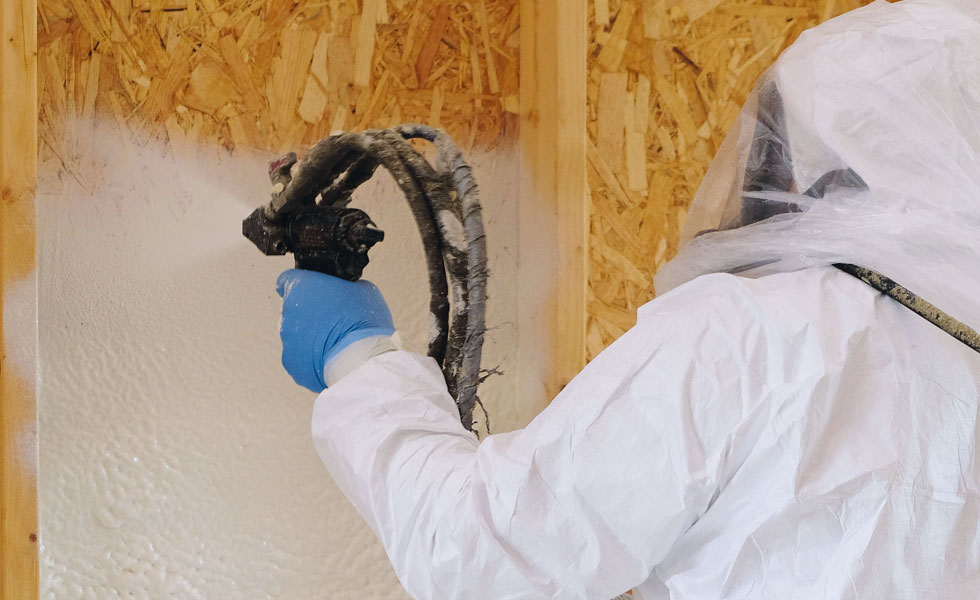
Spray foam addresses both issues at once by insulating and sealing in a single application.
Air Leakage and Comfort Issues
Air leaks allow cold outdoor air to enter and conditioned air to escape. This creates uneven indoor temperatures and constant drafts.
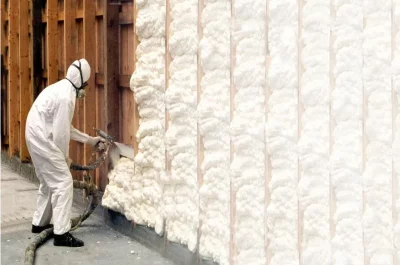
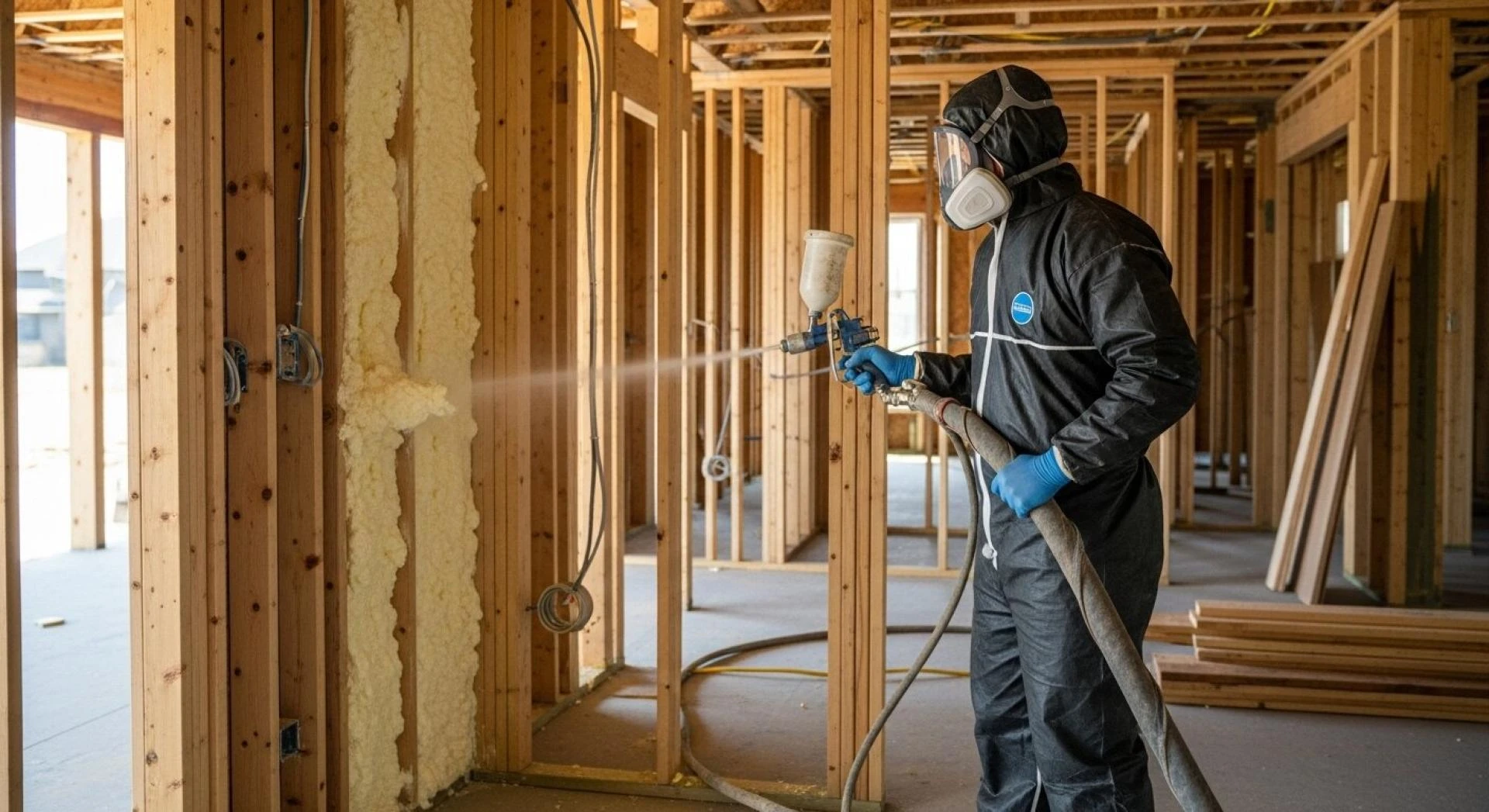
Spray foam expands into cracks, seams, and penetrations, forming a continuous barrier that helps stabilize indoor conditions across seasons.
Moisture Control in a Coastal Climate
Moisture movement is a serious concern in Seattle. When humid air enters wall or roof cavities, condensation can lead to mold and material damage.
The U.S. Environmental Protection Agency’s ENERGY STAR air sealing guidance explains that sealing air leaks is a key step in controlling moisture and protecting building durability.
Residential and Commercial Spray Foam Applications
Spray foam works across many building types, making it a practical solution for homeowners and commercial property owners in Seattle.
Its ability to conform to irregular framing and complex structures gives it an advantage over traditional insulation methods.
Residential Insulation Performance
In homes, spray foam supports daily comfort and indoor air quality.
Key performance benefits include:
- More consistent room-to-room temperatures
- Reduced outdoor noise infiltration
- Better control of indoor humidity levels
Commercial Insulation Advantages
Commercial buildings benefit from spray foam’s durability and performance stability.
It helps:
- Reduce energy loss in large open spaces
- Support long-term operational efficiency
- Improve occupant comfort without constant HVAC adjustments
Open-Cell vs. Closed-Cell Spray Foam Options
Selecting the right spray foam type depends on the space being insulated and exposure conditions.
Research summarized by the Pacific Northwest National Laboratory building envelope studies shows that insulation density and air sealing quality directly affect thermal performance in marine climates like Seattle’s.
Spray Foam Comparison Table
| Feature | Open-Cell Spray Foam | Closed-Cell Spray Foam |
|---|---|---|
| Density | Lower | Higher |
| Air Sealing | Very Good | Excellent |
| Moisture Resistance | Moderate | High |
| Structural Support | Minimal | Adds rigidity |
| Common Uses | Interior walls, sound control | Exterior walls, roofs, foundations |
Closed-cell spray foam is often preferred in areas exposed to moisture, while open-cell is well suited for interior applications where sound control and flexibility matter.
Attic, Roofing, and Foundation Insulation Focus
Certain areas of a building have a greater impact on overall performance.
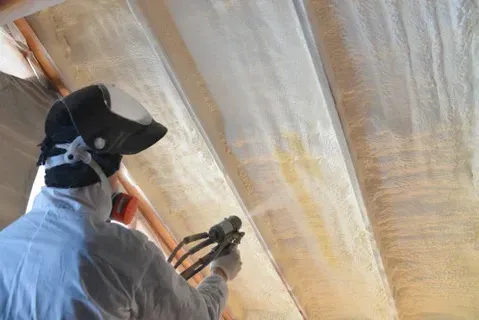
Attics are a primary source of heat loss in Seattle homes. Sealing and insulating this space improves comfort throughout the building.
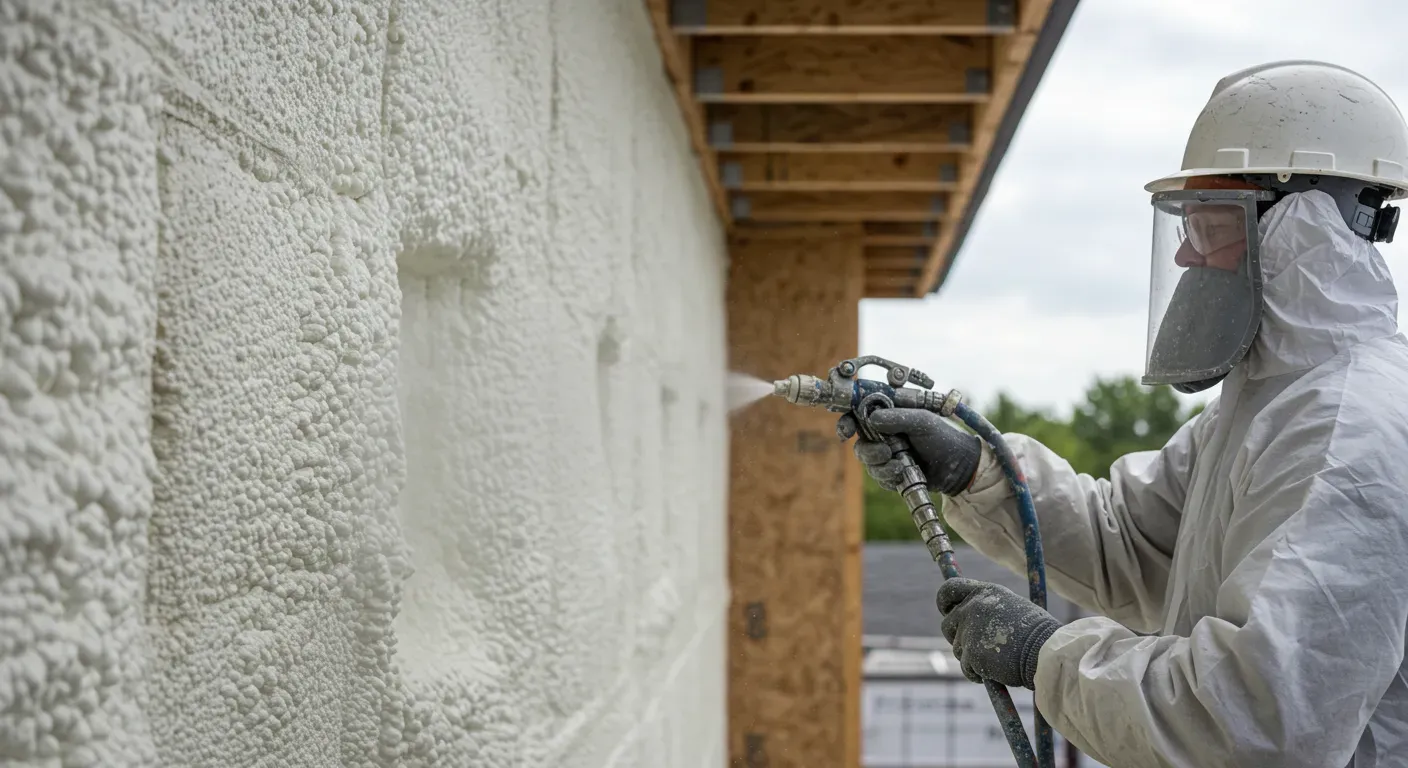
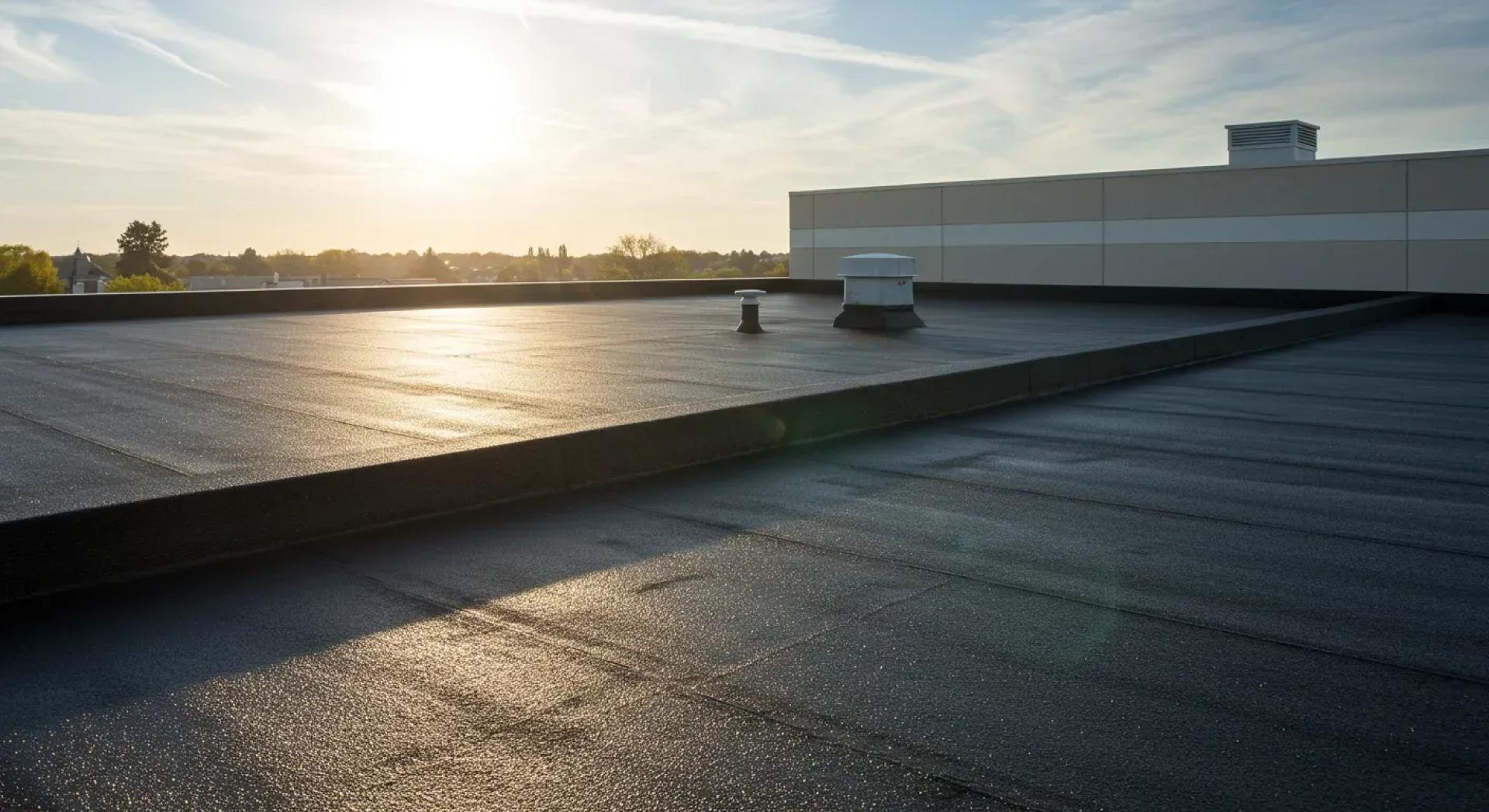
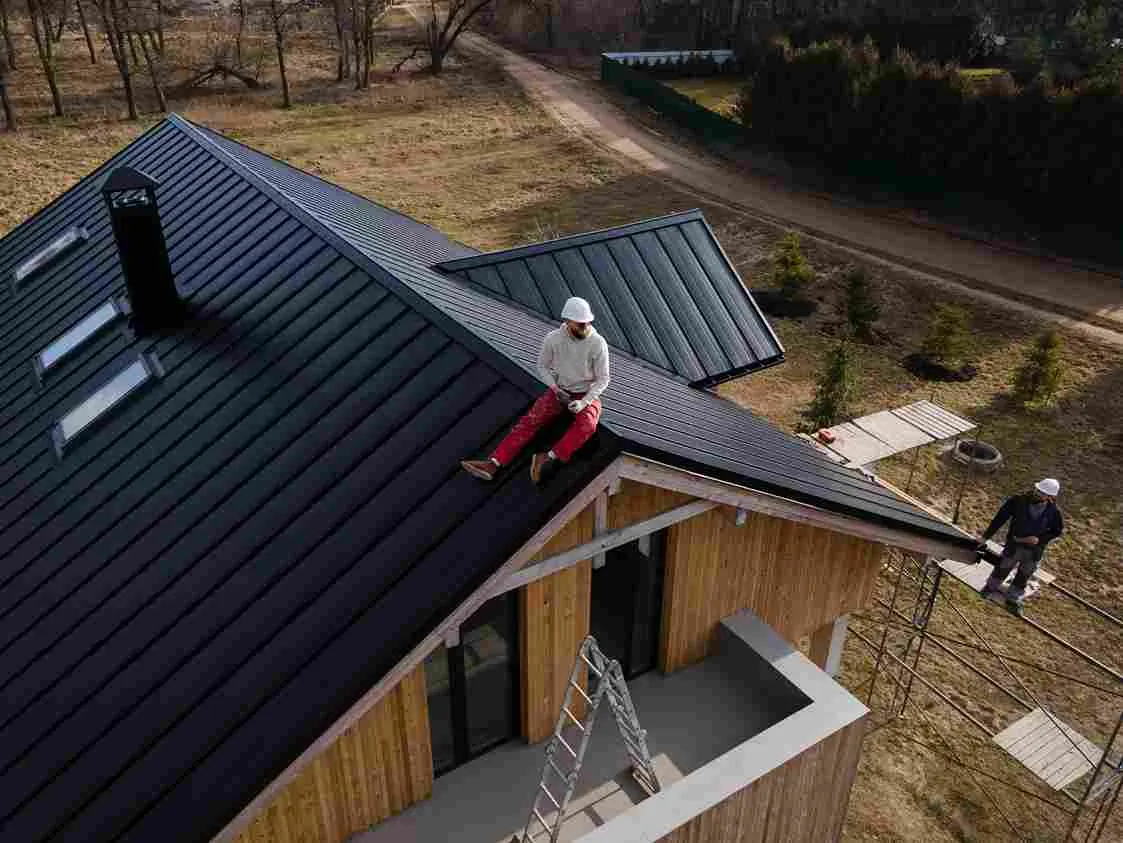
Roofing and foundation insulation help limit thermal bridging and moisture intrusion, especially in older structures or mixed-use buildings.
Conclusion: Seal Better, Save More in Seattle
Spray foam insulation helps Seattle property owners seal air leaks, improve comfort, and protect their buildings from moisture-related issues. By addressing insulation and air sealing together, it delivers long-term performance benefits that standard methods often miss.
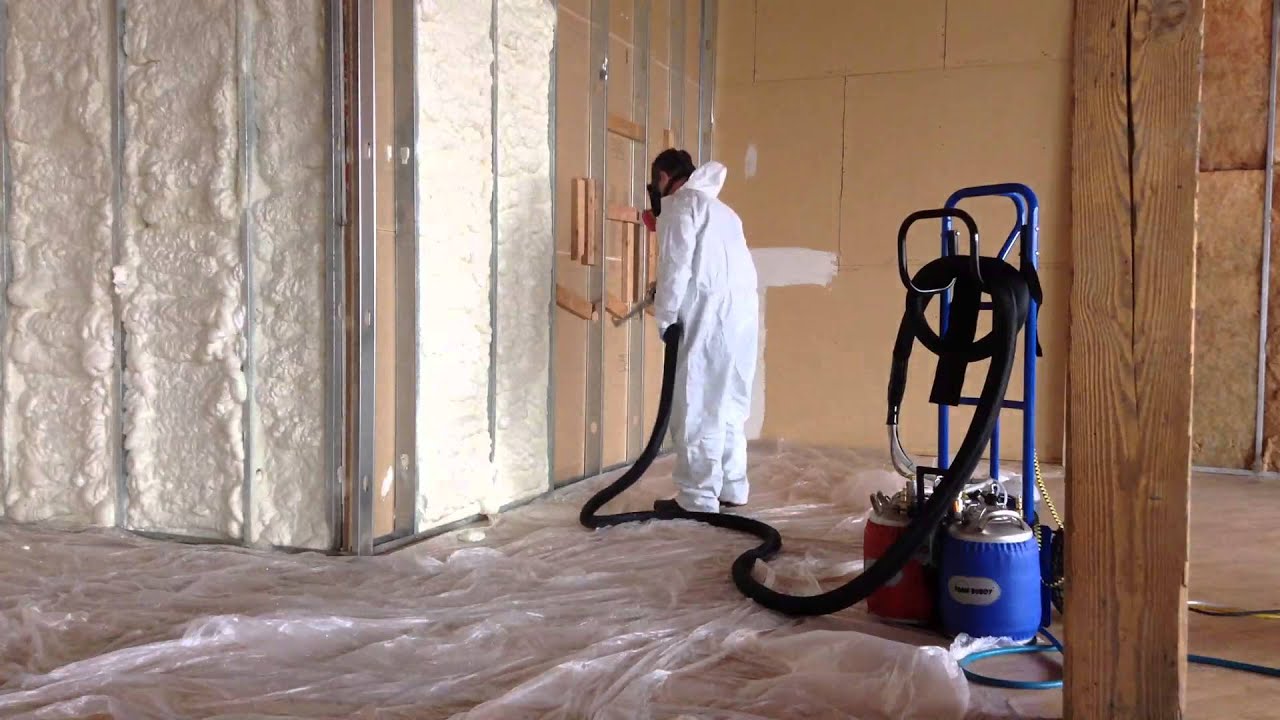
For residential and commercial properties alike, proper insulation is a foundational step toward efficiency and durability.
Performance-Driven Insulation Support
Effective insulation directly impacts building efficiency, comfort, and long-term reliability. We focus on solutions that support real-world performance, not temporary fixes.
Cascadia Spray Foam Insulation of Seattle helps property owners seal and save with insulation systems designed for Seattle’s climate.
Call (425) 386-3500 to get started.
FAQs
How does spray foam improve building efficiency?
It limits air leakage and heat transfer, helping HVAC systems operate more efficiently.
Can spray foam be applied to walls and ceilings?
Yes. It works well in wall cavities, ceilings, attics, and roof assemblies.
Does spray foam help with indoor air quality?
By controlling airflow, it helps reduce dust, allergens, and outdoor pollutants entering the building.
Is spray foam suitable for roofing insulation?
Yes. It provides continuous insulation and moisture resistance when properly installed.
How long does spray foam insulation last?
When installed correctly, it can perform effectively for decades without settling.
Reviewer: Olivia Thompson has spent 10 years working in spray foam insulation, helping companies grow their visibility. She reviewed this article and provided valuable suggestions on how to better align the content with the needs and expectations of customers, ensuring it resonates with the target audience.
Sources
- U.S. Department of Energy – Air Sealing Your Home – Federal guidance on air leakage and energy loss
- U.S. Environmental Protection Agency – Seal and Insulate – Information on moisture control and efficiency
- Pacific Northwest National Laboratory – Buildings Research – Research on insulation and building envelope performance in marine climates
























Sign in to leave a comment.