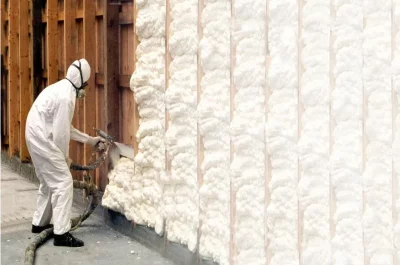
Spray foam insulation work often reveals problems that were hidden for years. When contractors open cavities and seal air leaks, they expose structural gaps, moisture paths, and framing flaws that affect safety and energy use. These findings help homeowners understand what is really happening inside their walls and roofs.
This matters because fixing insulation without addressing gaps can lock problems in place instead of solving them.
Quick answers that matter
- Spray foam highlights air leaks that signal framing gaps
- Structural gaps often explain high energy bills and moisture issues
- Skilled contractors adjust the plan once hidden issues appear.
Why Structural Gaps Matter in Homes
Structural gaps allow air, moisture, and pests to move freely through a building. Over time, this movement weakens materials and raises energy costs.
Many gaps form during original construction. Framing shifts. Settling occurs. Penetrations get added for wiring and plumbing. These openings are rarely visible from living spaces.
According to research summarized in the U.S. Department of Energy air sealing guidance, uncontrolled air leakage can account for up to 30 percent of heating and cooling losses in homes. Those losses usually trace back to hidden gaps in the building shell.
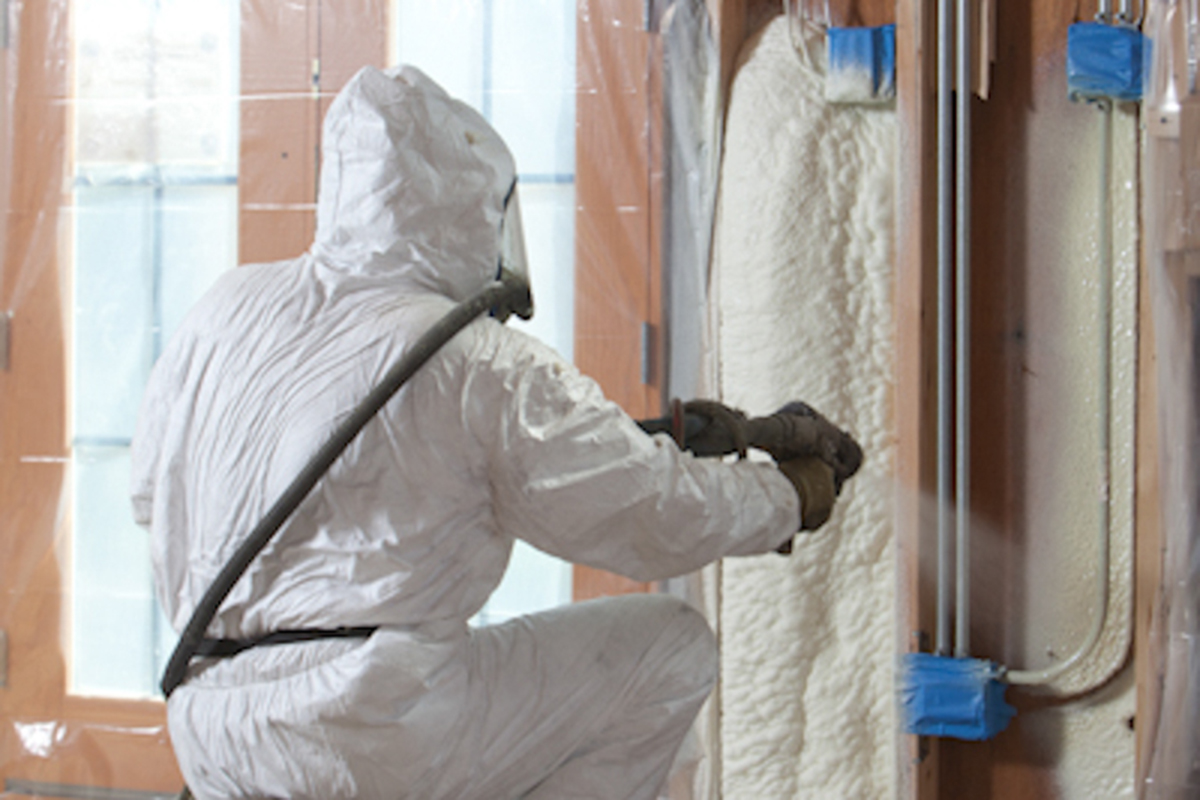
Spray foam contractors work directly in these hidden zones. That is why they often spot problems first.
How Spray Foam Works Reveals Hidden Gaps
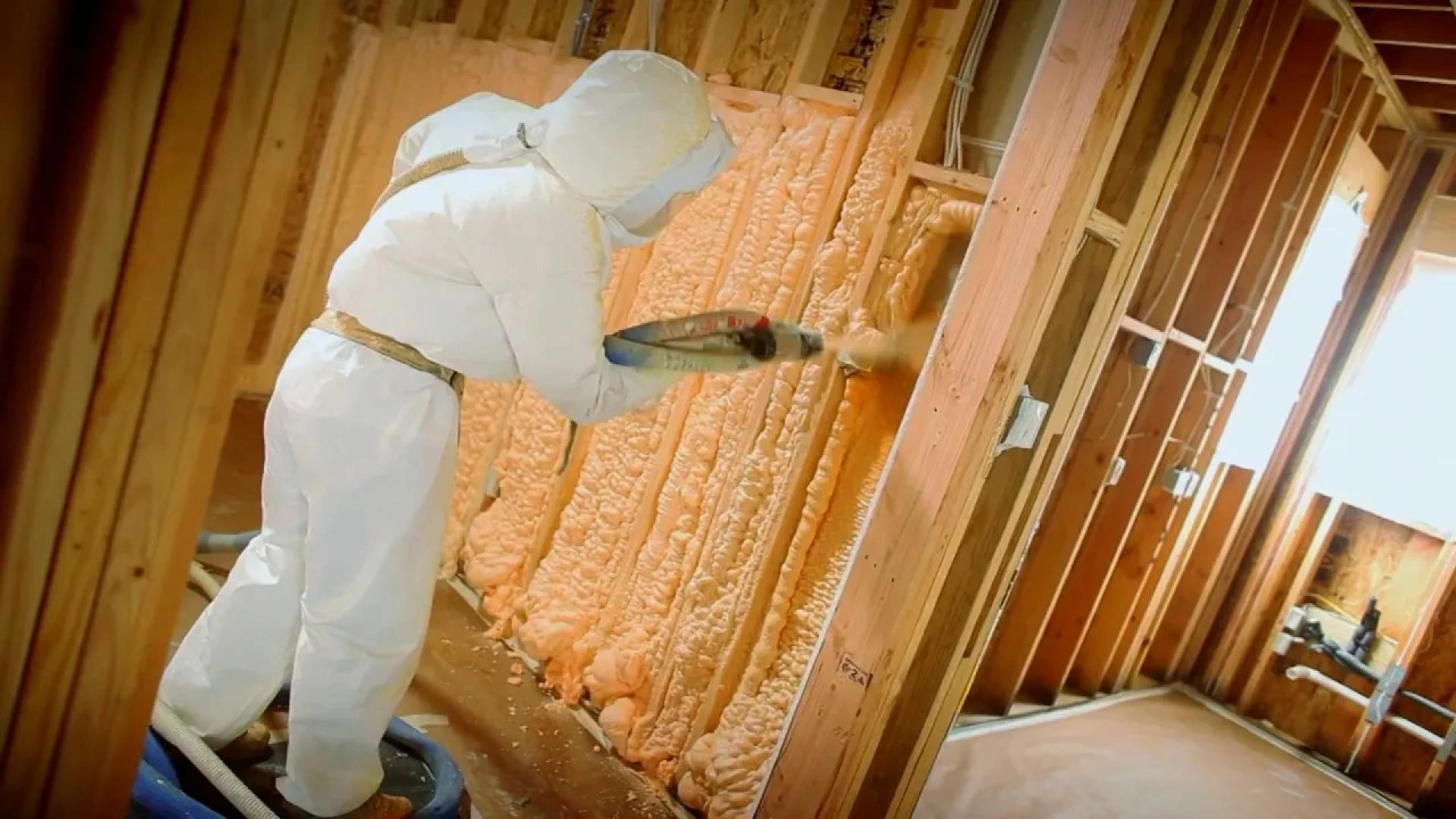
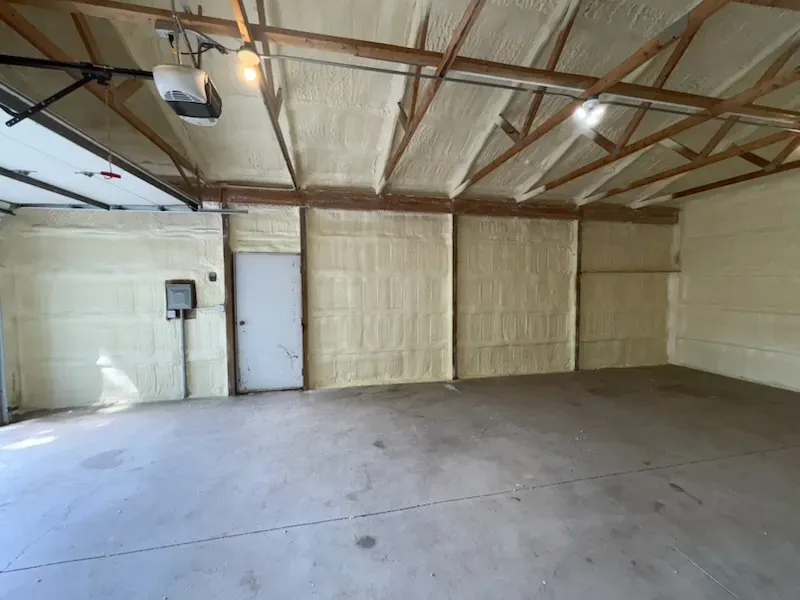
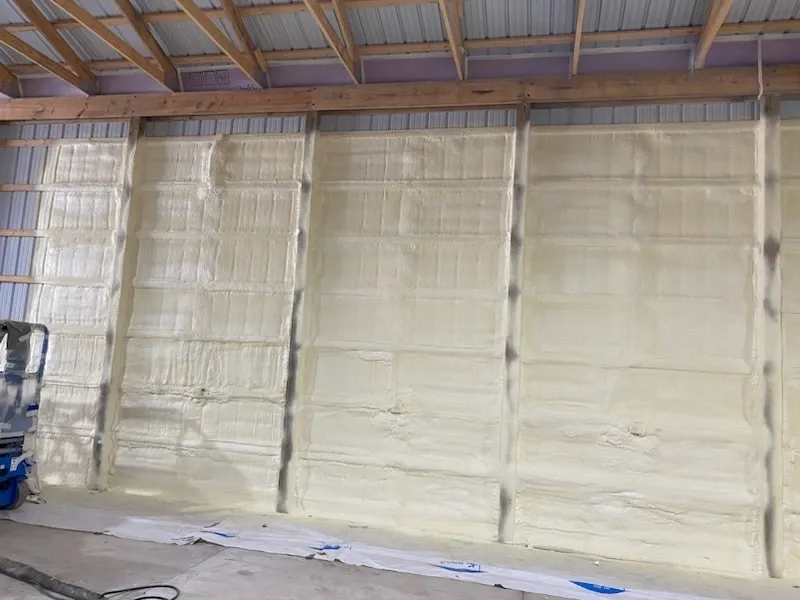
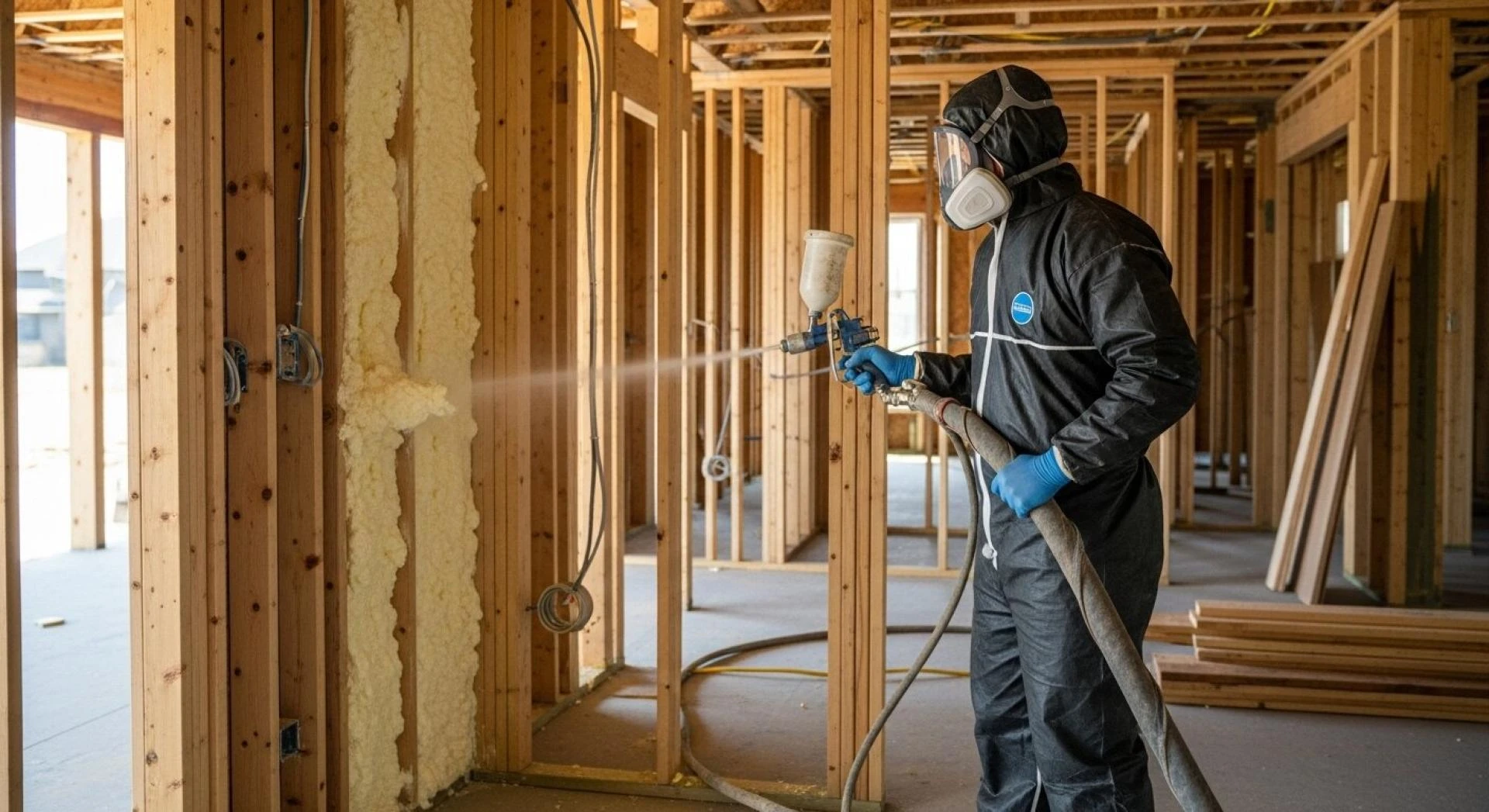
Spray foam expands on contact. It flows into cracks and voids before curing. This behavior makes gaps obvious.
When foam pulls away or over-expands, it signals movement or uneven surfaces. Contractors can see where framing is out of plane or where sheathing is missing support.
Common Areas Where Gaps Appear
- Rim joists where floors meet walls
- Roof decks near eaves and valleys
- Wall cavities behind tubs and stairs
These are not cosmetic issues. They affect durability.
The Environmental Protection Agency indoor air quality guidance explains that sealing these gaps improves comfort and reduces moisture entry, which lowers the risk of mold and material decay.
What Structural Gaps Tell Contractors
Structural gaps tell a story. They show how a house has moved and where stress collects.
Contractors read foam behavior the same way mechanics read engine wear. Uneven foam thickness can point to bowed studs. Large voids may indicate missing blocking.
These signs help crews decide whether to proceed, pause, or recommend repairs. Ignoring them risks trapping moisture or stressing weak framing.
Do Structural Gaps Change the Insulation Plan?
Yes. Good contractors adjust the plan when gaps appear. Spray foam is flexible, but buildings are not always forgiving.
When Adjustments Are Needed
- Gaps larger than expected may need backing material
- Wet areas may require drying before spraying
- Structural movement may limit foam thickness
Building science research from Building Science Corporation’s air leakage studies shows that air control layers must align with structure to work long term. Foam alone cannot fix structural misalignment.
Spray Foam vs Other Insulation for Gap Detection
| Feature | Spray Foam Insulation | Fiberglass Insulation |
|---|---|---|
| Ability to reveal gaps | High due to expansion | Low, gaps stay hidden |
| Air sealing | Complete when installed well | Incomplete |
| Moisture control | Strong | Limited |
| Feedback during install | Immediate visual cues | Minimal feedback |
Spray foam acts like a diagnostic tool as much as an insulation product.
Bonus Tips
- Ask contractors what gaps they expect to find
- Request photos before foam covers problem areas
- Address moisture issues before sealing cavities
- Do not rush insulation over active structural concerns
These steps protect long-term performance.
Case Studies
Retrofit projects in older Pacific Northwest homes often uncover rim joist gaps and roof deck separations during spray foam installation. Addressing these gaps before final sealing has been linked to fewer moisture complaints and steadier indoor temperatures over time.
Why Structural Awareness Improves Energy Results
Energy efficiency depends on continuity. Gaps break that chain.
When contractors seal gaps correctly, foam limits air movement. That reduces heat loss in winter and heat gain in summer. HVAC systems cycle less.
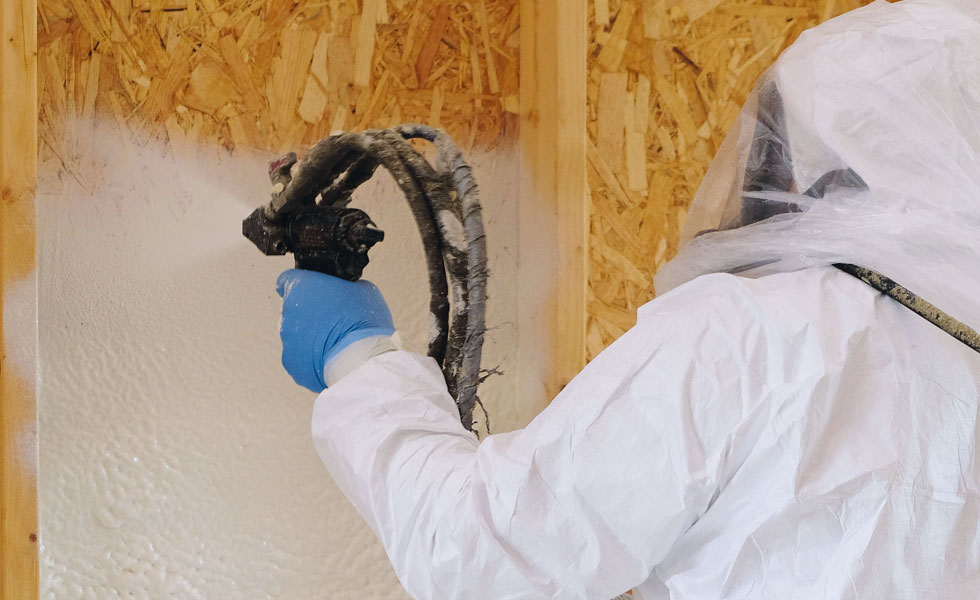
The result is lower energy use and more stable indoor conditions. Homes feel quieter and less drafty because airflow paths are closed.
Spray foam shows where continuity fails. Fixing those points delivers real gains.
Conclusion
Spray foam insulation contractor work often uncovers structural gaps that explain energy loss and moisture problems. These gaps matter because sealing them without understanding their cause can create new risks.
Key takeaways include:
- Structural gaps are common and usually hidden
- Spray foam reveals gaps through expansion behavior
- Skilled contractors adjust plans to protect the building
Cascadia Spray Foam Insulation of Seattle supports energy-efficient projects by focusing on what foam reveals, not just where it is sprayed.
Cascadia Spray Foam Insulation of Seattle Supports Smarter Upgrades
Spray foam insulation works best when contractors respect the structure beneath it. Cascadia Spray Foam Insulation of Seattle applies field-tested methods that address gaps before sealing them.
They help homeowners improve comfort and durability with informed decisions.
Phone: (425) 386-3500 Email: [email protected]
FAQs for Spray Foam Professionals
What are structural gaps in homes?
They are openings or separations in framing or sheathing that allow air and moisture to pass through the building shell.
Can spray foam fix structural gaps by itself?
It can seal small gaps, but larger issues may need repairs or backing materials first.
Why do contractors find gaps during insulation work?
Because insulation exposes areas that were never visible during normal use.
Do structural gaps affect indoor air quality?
Yes. They allow outdoor air, moisture, and pollutants to enter living spaces.
Should insulation stop if gaps are found?
Often yes. Addressing gaps first prevents trapping moisture or stressing weak areas.
Reviewer: Olivia Thompson has spent 10 years working in spray foam insulation, helping companies grow their visibility. She reviewed this article and provided valuable suggestions to better align the content with the needs and expectations of customers, ensuring it resonates with the target audience.


























Sign in to leave a comment.