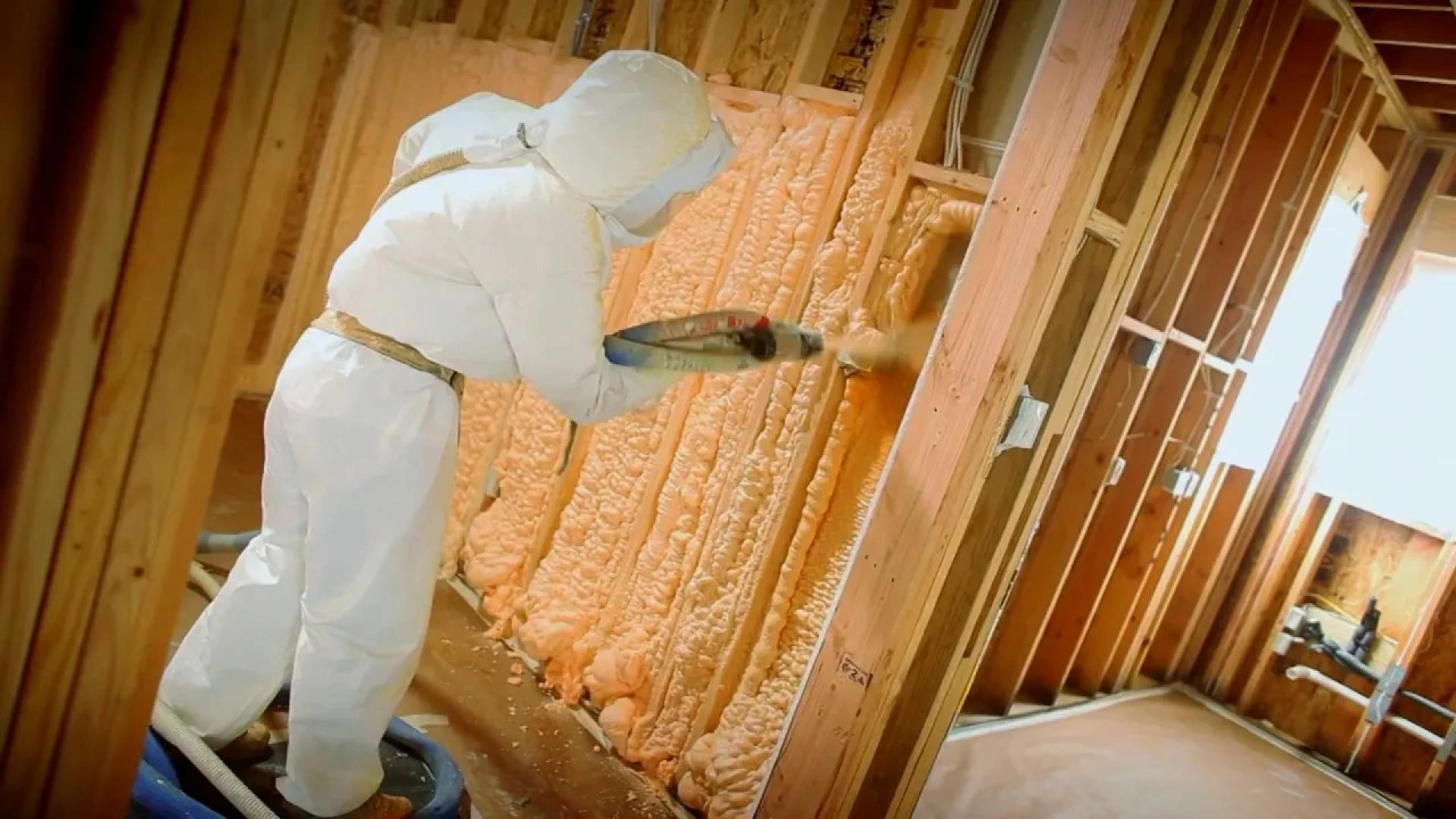

Thermal wall insulation is one of the most reliable ways to manage extreme indoor heat. It slows heat transfer, stabilizes indoor temperatures, and reduces cooling costs. For buildings facing hotter summers, the right insulation makes spaces safer, more comfortable, and cheaper to run.
Quick Answers That Matter Most
- Thermal insulation limits heat entering through walls.
- Better insulation reduces air conditioner runtime.
- Consistent indoor temperatures protect comfort and equipment.
Why Extreme Indoor Heat Is Harder to Control Now
Indoor heat problems are becoming more common as summer temperatures rise and heat waves last longer. Walls absorb heat all day and release it indoors well into the evening. Without proper insulation, that heat flows straight inside.
According to heat transfer guidance from the U.S. Department of Energy on how insulation works, walls are a major path for heat gain when insulation levels are low or uneven. This constant heat flow drives indoor temperatures higher, even when cooling systems run nonstop.
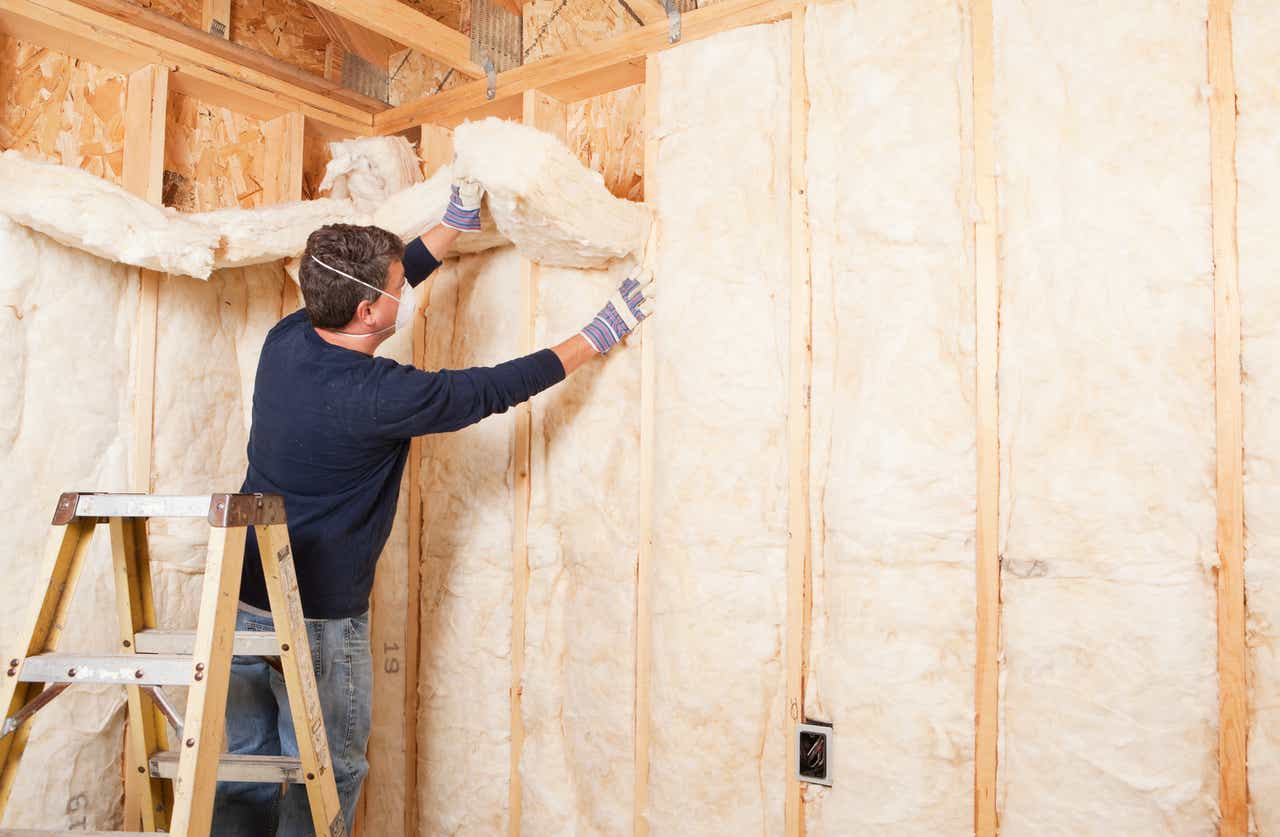
How Heat Moves Through Walls
Heat follows simple physics. It always moves from hot to cool.
- Solar heat loads: Sun-exposed walls absorb and store heat.
- Conduction: Heat passes through framing and wall cavities.
- Air leakage: Gaps allow hot outdoor air to enter directly.
Thermal wall insulation interrupts these paths and slows heat movement.
How Does Thermal Wall Insulation Reduce Indoor Heat?
Thermal wall insulation reduces indoor heat by limiting heat gain at the building envelope. When walls resist heat transfer, less heat reaches interior spaces. This keeps rooms cooler for longer periods.
Research highlighted in the ENERGY STAR insulation and air sealing guidance shows that proper insulation and air sealing lower cooling demand by keeping outdoor heat outside. The cause is reduced heat flow, and the outcome is lower indoor temperatures and less AC use.
Cause and Outcome of Better Wall Insulation
Improved insulation changes building behavior.
- Cause: Insulation slows heat transfer through walls.
- Outcome: Indoor temperatures rise more slowly during heat events.
- Result: Cooling systems cycle less and last longer.
This chain explains why insulation is critical during extreme heat.
Thermal Wall Insulation Options and Performance
Not all wall insulation performs the same under heat stress. Some materials block heat better and seal air leaks more effectively.
Wall Insulation Comparison Table
| Feature | Fiberglass Batts | Blown-In Cellulose | Spray Foam Insulation |
|---|---|---|---|
| Air Sealing | Low | Moderate | High |
| Heat Control | Moderate | Moderate | Excellent |
| Performance Over Time | Can sag | Can settle | Stable |
| Best for Extreme Heat | Fair | Fair | Excellent |
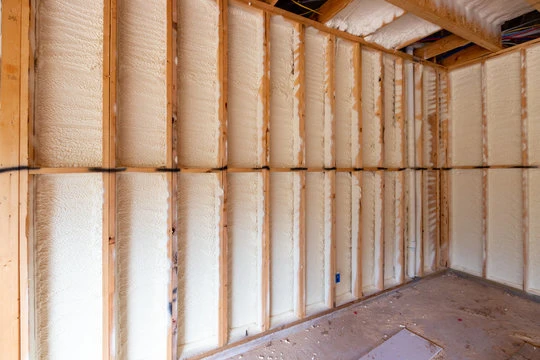
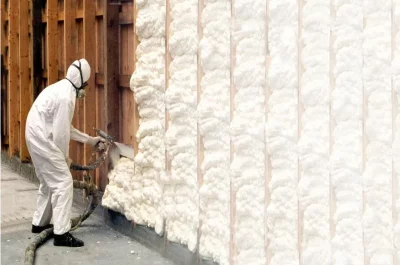
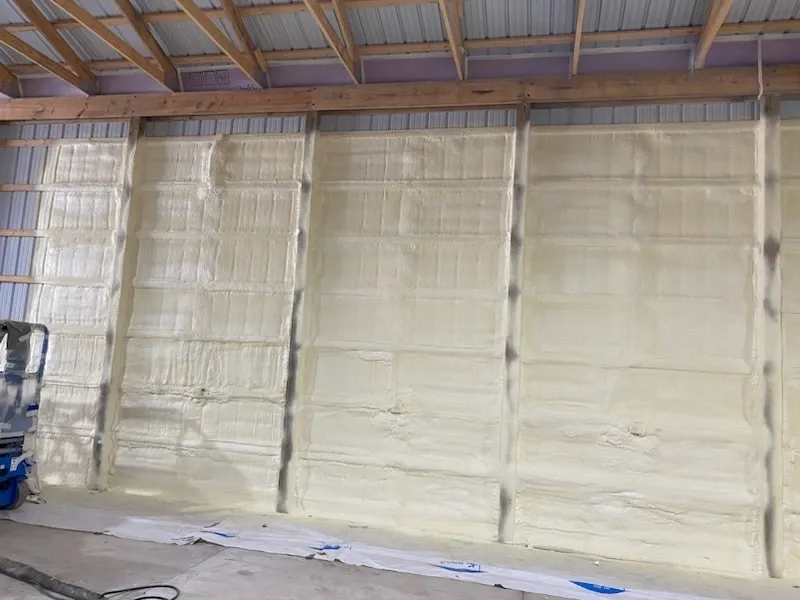
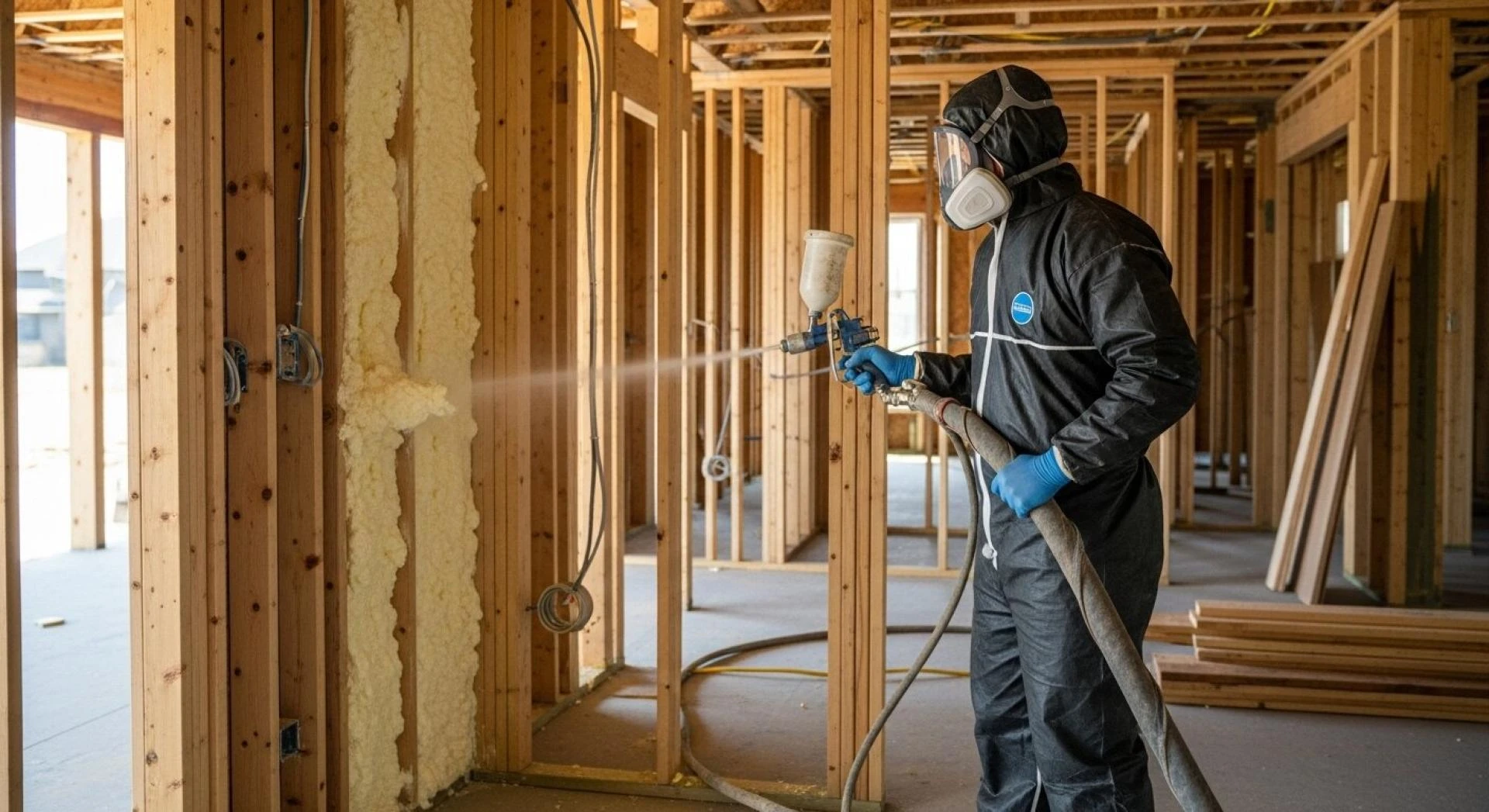
Spray foam performs well because it insulates and seals air gaps in one step. This dual function matters most during prolonged heat.
Bonus Tips for Managing Extreme Indoor Heat
- Insulate west-facing walls first: They receive the most afternoon heat.
- Seal before insulating: Air leaks can bypass even high R-values.
- Check attic-wall connections: Heat often enters where walls meet roofs.
These steps improve the real-world performance of wall insulation.
Case Studies Showing Heat Reduction Benefits
In buildings upgraded with thermal wall insulation, indoor temperatures often stay several degrees cooler during peak heat. Cooling systems cycle less often and recover faster after shutdowns. Field data summarized by the National Association of Home Builders on energy-efficient building practices shows that improved insulation also increases comfort satisfaction and long-term property value.
These outcomes demonstrate that insulation addresses both comfort and cost.
Planning Thermal Wall Insulation for Hot Conditions
Effective heat control starts with targeting the right walls. South- and west-facing walls usually need the most attention. Insulation should be continuous, with no gaps or compression.
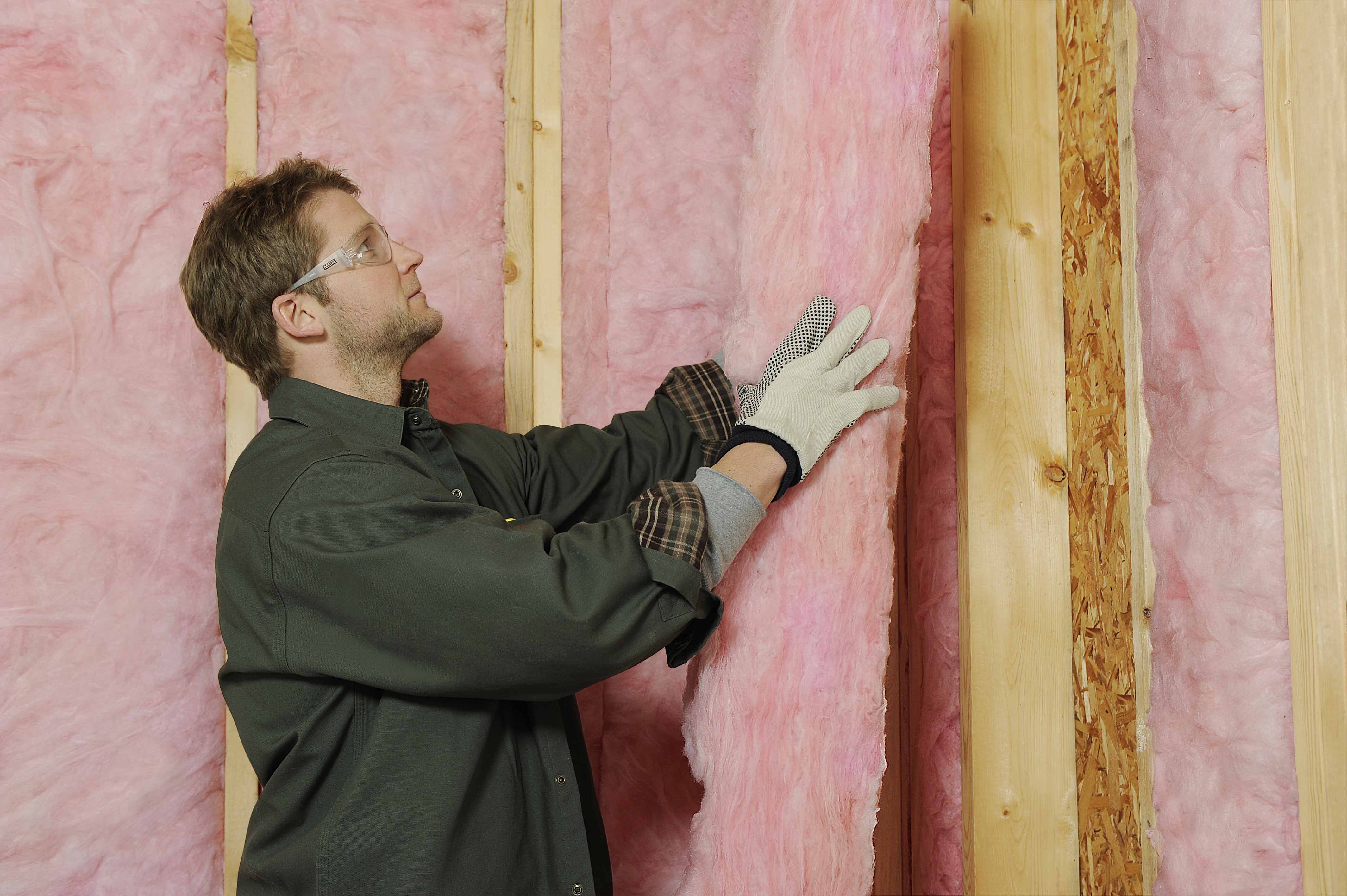
Thermal wall insulation works best as part of a whole-building strategy. When walls are sealed and insulated properly, cooling systems can be sized correctly and operate more efficiently. This prevents overcooling and uneven temperatures.
Conclusion
Thermal wall insulation manages extreme indoor heat by slowing heat transfer and blocking air leaks. It keeps indoor spaces cooler, reduces cooling costs, and improves comfort during heat waves. These benefits make insulation a critical upgrade for hot conditions.
Cascadia Spray Foam Insulation of Seattle Supports Heat Control Projects
Cascadia Spray Foam Insulation of Seattle helps property owners manage extreme indoor heat with performance-focused insulation solutions. They support projects that reduce heat gain, lower energy use, and improve comfort.
For expert help, call (425) 386-3500 or email [email protected].
FAQs for Spray Foam Professionals
How does wall insulation reduce indoor heat?
It slows heat transfer through walls, which keeps outdoor heat from entering living spaces.
Is spray foam better for extreme heat than fiberglass?
Spray foam seals air leaks and insulates at the same time, which improves heat control.
Which walls should be insulated first for heat control?
West- and south-facing walls usually deliver the biggest impact.
Does wall insulation reduce AC costs?
Yes. Lower heat gain reduces AC runtime and peak energy use.
Can insulation alone solve overheating issues?
It solves much of the problem, but best results come when combined with air sealing and ventilation.
Reviewer: Olivia Thompson has spent 10 years working in spray foam insulation, helping companies grow their visibility. She reviewed this article and provided valuable suggestions to align the content with customer needs and expectations.





















Sign in to leave a comment.