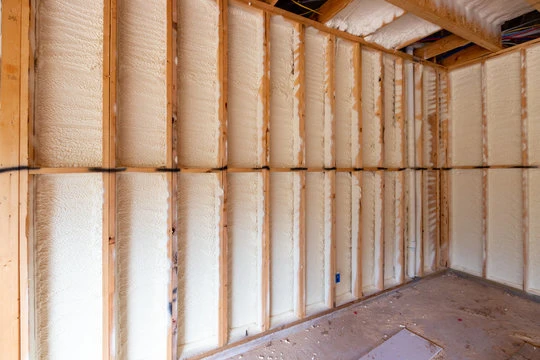
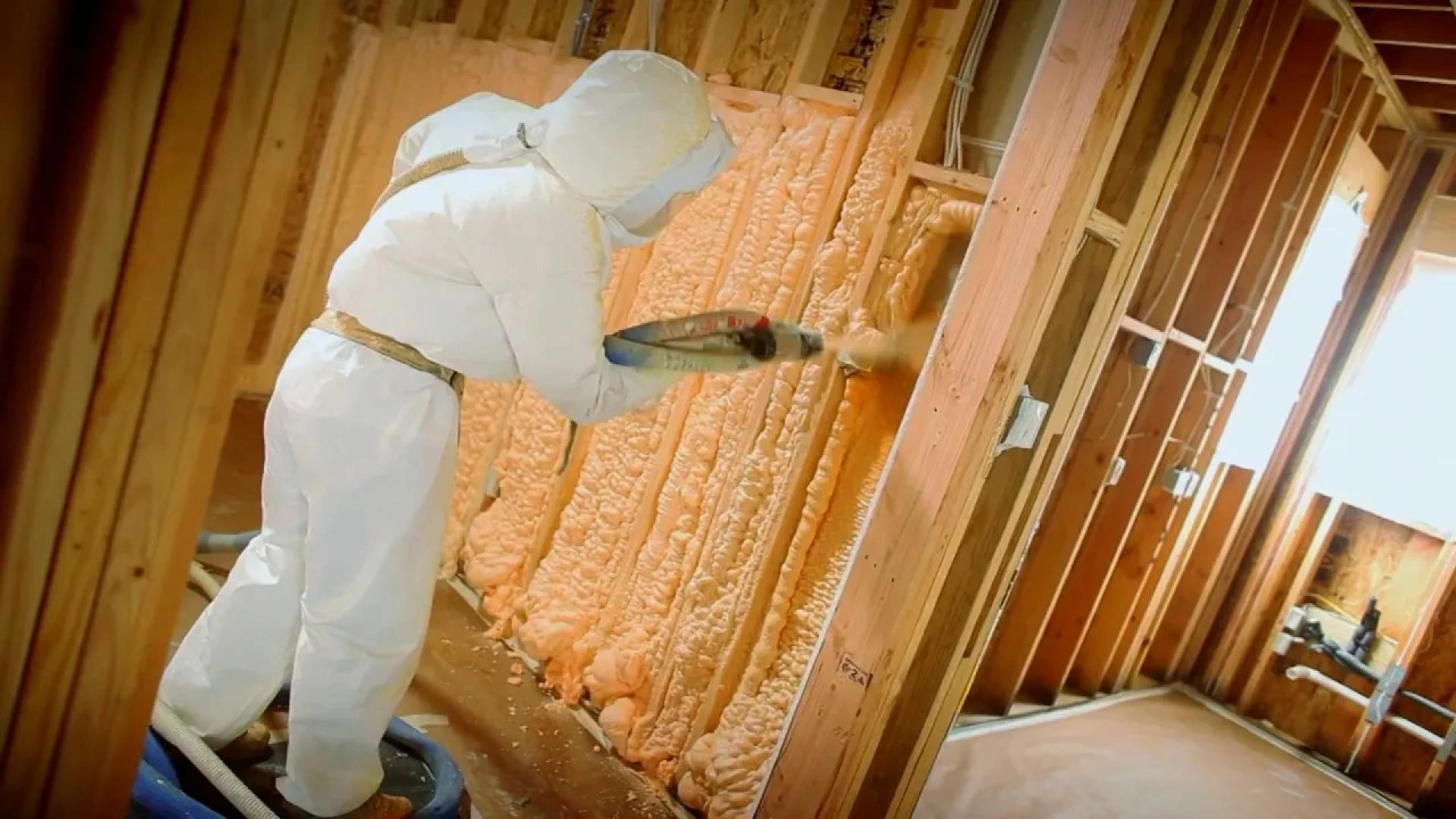
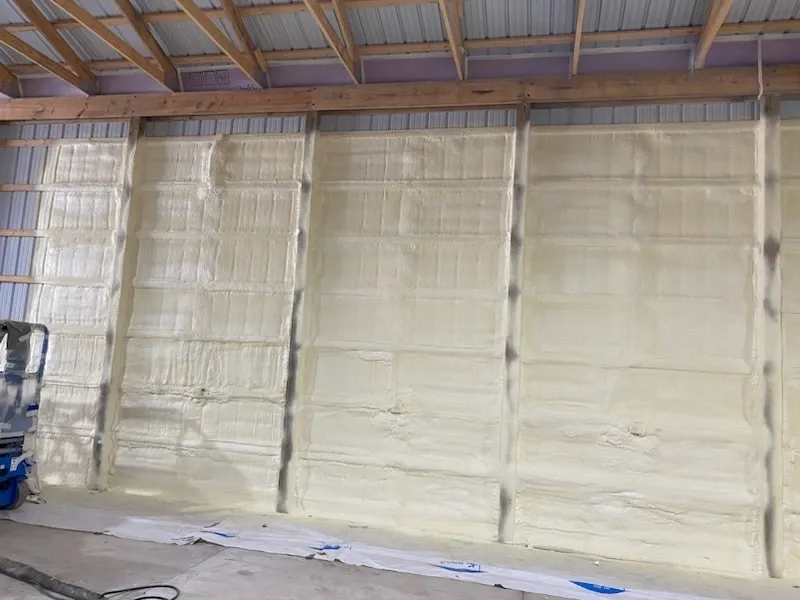
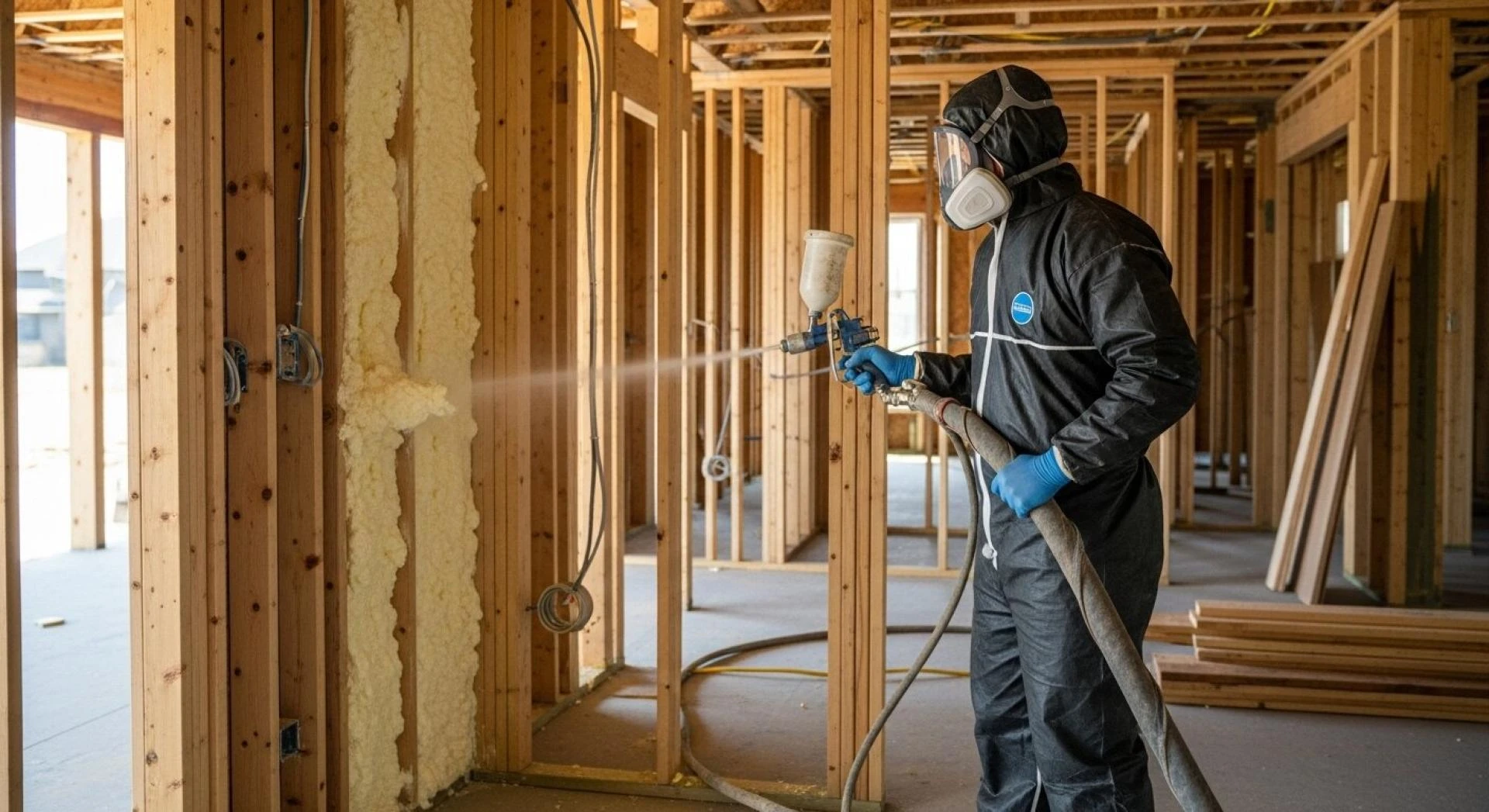
Spray foam insulation provides the most reliable solution for Shoreline homes because it creates an airtight seal that manages the region's high humidity and fluctuating temperatures. By expanding to fill every gap and crack, this material stops air leakage, which accounts for up to 40 percent of a home's energy loss according to building science data. This advanced insulation acts as both a thermal barrier and a moisture shield, ensuring that conditioned air stays inside while dampness stays out.
Residents who upgrade to professional spray foam in Shoreline, WA often see a reduction of up to 15 percent in monthly heating and cooling expenses almost immediately. Because the material does not sag or settle like fiberglass batts, its efficiency remains consistent throughout the life of the structure. This article explains how high-performance insulation addresses the unique climate challenges of the Pacific Northwest and why it represents a smart, long-term investment for property owners in Shoreline, WA.
Maximizing Energy Savings in the Pacific Northwest Climate
Shoreline homes face a marine climate where damp winters and increasingly warm summers put a heavy load on heating and cooling systems. Spray foam insulation addresses this by providing a high R-value per inch, which measures the material's resistance to heat flow. When specialists apply the foam, it bonds directly to the building materials, forming a continuous barrier that traditional products cannot match.
By reducing the workload on furnaces and air conditioners, homeowners avoid the mechanical wear that leads to expensive repairs. This stability ensures that every room in the house maintains a consistent temperature, even during a Puget Sound cold snap. Investing in quality sealing is a proactive way to lower the carbon footprint of a household while increasing daily comfort.
Thermal Resistance and R Value Efficiency
The effectiveness of any insulation depends on its ability to stop heat transfer. Closed cell spray foam offers an R-value of roughly 6.5 to 7.0 per inch, which is nearly double the performance of fiberglass or cellulose. This high density allows it to provide superior protection in narrow wall cavities or tight attic spaces where space is limited.
High thermal resistance means the house stays warmer longer after the heater turns off. This efficiency is necessary in Washington, where energy prices continue to rise. Families can rely on the performance of the foam because it is chemically stable and does not degrade when exposed to the moisture common in the local environment.
Superior Air Sealing Performance
Air moves through standard insulation like air moves through a filter, but spray foam acts as a solid physical block. It stops the "stack effect," which is when warm air rises and escapes through the roof while pulling cold air in through the basement. Stopping this cycle is the most effective way to improve the efficiency of an older home in the Shoreline area.
Bonus Tip: Check Attic Bypasses
Homeowners should look for air leaks around recessed lights, plumbing stacks, and electrical wires that go into the attic. Experts suggest that sealing these small openings with spray foam can prevent massive amounts of heat loss. This simple step often provides the fastest return on the initial investment in home efficiency.
Evaluating Small Air Leaks
Tiny gaps around window frames or door headers might seem minor, but they add up to the size of a large open window when combined across the whole house. Professionals use small scale application tools to fill these voids, ensuring that the entire building envelope remains tight and secure.
Addressing Moisture and Mold Risks in Shoreline
Dampness is a constant threat to homes in the Seattle region, where high humidity can lead to wood rot and mold growth. Spray foam provides a necessary defense by acting as a vapor retarder that prevents moisture from condensing inside wall cavities. By keeping the structural wood dry, the insulation helps maintain the long term health of the building.
Unlike traditional materials that can absorb water and become a breeding ground for mildew, spray foam does not provide a food source for organic growth. This characteristic is especially important in crawl spaces and basements where ground moisture is prevalent. Maintaining a dry interior environment is essential for the health of the residents and the integrity of the property.
Barrier Against Vapor Infiltration
Water vapor moves through most building materials, but closed cell foam is dense enough to stop this process. This creates a drier home that is easier to heat and cool. Specialists often recommend this approach for homes near the water in Shoreline, where the air is consistently laden with moisture.
The continuous nature of the application ensures that there are no seams or gaps where water can enter. This provides peace of mind for homeowners who worry about the long term effects of the wet Washington weather. A dry home is a more durable home, and high quality insulation is the first line of defense.
Prevention of Structural Wood Rot
Wood rot occurs when framing members stay damp for extended periods, usually due to poor insulation or air leaks that cause condensation. Spray foam protects these components by sealing out the moist air and keeping the wood at a stable temperature. This proactive protection can save homeowners thousands of dollars in structural repairs over the life of the property.
Bonus Tip: Professional Moisture Metering
Before installing new insulation, it is wise to have a professional check the moisture content of the wood studs and sheathing. Experts recommend ensuring the framing is dry before sealing it with foam to prevent trapping moisture inside. This technical step ensures the installation is successful and the structure remains healthy for decades.
Managing Ground Moisture
In crawl spaces, ground moisture can rise and affect the floor joists and subflooring. Applying a layer of foam to these areas creates a barrier that keeps the main living space dry and warm. This also helps reduce the musty odors that are common in older homes with unfinished foundations.
Technical Comparison of Residential Insulation Materials
Selecting the right product requires a clear understanding of how different materials perform in real world conditions. The following table provides a comparison of common options used in Shoreline to help homeowners make an informed choice.
| Feature | Closed Cell Spray Foam | Open Cell Spray Foam | Fiberglass Batts |
|---|---|---|---|
| R-Value Per Inch | 6.5 - 7.0 | 3.5 - 3.8 | 3.1 - 3.4 |
| Air Sealing | Excellent | Excellent | Poor |
| Moisture Resistance | High | Moderate | Low |
| Structural Support | High | Low | None |
| Typical Lifespan | 80+ Years | 80+ Years | 15 - 25 Years |
This data shows that while fiberglass is a common choice, it lacks the air sealing and moisture resistance needed for the Shoreline climate. Spray foam provides a more complete solution that addresses all the major causes of energy loss and structural damage in a single application.
Things to Consider Before Making a Decision
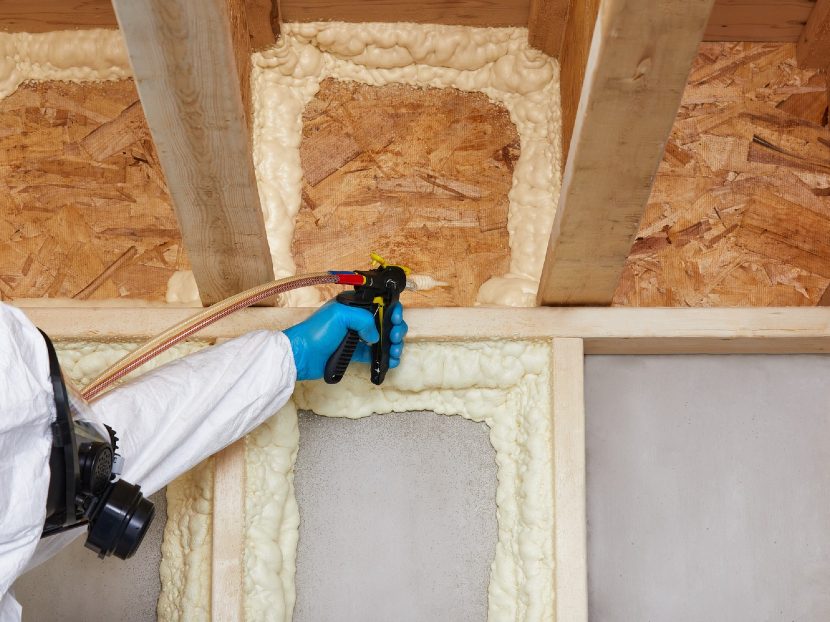
Upgrading the insulation is a significant project that requires careful planning to ensure the best results. Homeowners should evaluate the current condition of their attic and crawl space to see if any old material needs to be removed first. Starting with a clean surface allows the foam to bond correctly and provides a more effective seal.
It is also important to consider the temporary impact of the installation process. Residents are typically required to leave the home for 24 hours while the foam cures to ensure total safety. Planning for this time allows the professionals to work quickly and complete the job without interruption.
Existing Insulation Removal Requirements
If old insulation is wet, dusty, or contaminated by pests, it should be removed before new foam is applied. This prevents any odors or allergens from being trapped inside the walls or attic. A fresh start ensures that the new system performs at its maximum efficiency from the first day.
Proper Ventilation Planning
A well sealed home is much more efficient, but it also requires a planned way to bring in fresh air. Specialists often suggest checking the existing ventilation systems to ensure the home remains healthy and fresh. This balanced approach ensures that the house is both energy efficient and well ventilated for the occupants.

Questions People Ask About Spray Foam Insulation
How long does spray foam insulation stay effective in a home?
Spray foam is a permanent solution that is designed to last for the entire life of the building. It does not shrink, sag, or lose its insulating properties over time. This makes it a one time investment that provides ongoing savings for 80 years or more.
Is spray foam insulation safe for indoor air quality once it cures?
Yes, once the material has fully cured, which usually takes about 24 hours, it is chemically inert and safe for residents. By sealing out dust, pollen, and outdoor pollutants, it actually helps improve the overall air quality inside the home.
Can spray foam be installed in an existing Shoreline home?
Professional teams can install spray foam in the attics, crawl spaces, and basements of existing homes with ease. For walls, they can sometimes use a specialized injection foam or remove small sections of drywall to access the cavities. It is a very common upgrade for older residential properties.
Does spray foam help reduce noise from outside?
Spray foam is an excellent sound dampener because it seals the air gaps that allow sound waves to travel through walls. Homeowners often notice a significant reduction in noise from traffic, airplanes, and neighbors after the installation is complete.
Will spray foam prevent pests from entering the house?
While it is not a pesticide, spray foam acts as a physical barrier that pests cannot easily penetrate. Since it expands to fill tiny cracks, it blocks the entry points that insects and rodents use to get inside. It also does not provide a food source or nesting material like cellulose or fiberglass.
Creating a More Sustainable and Comfortable Future
Providing a reliable barrier against the elements is the most effective way to protect the value of a home in Shoreline. By choosing materials that manage both heat and moisture, residents ensure their property remains comfortable and efficient for decades. The technical advantages of spray foam address the specific challenges of the Washington climate, making it the preferred choice for those who want a permanent solution. Taking the time to understand the building envelope and investing in quality sealing leads to a better daily living experience for every family.
Professional Insulation Resources and Support
Homeowners who want to improve their property's efficiency should consult with an experienced team for an accurate assessment. Cascadia Spray Foam Insulation of Seattle provides professional guidance and precision installation to help residents achieve their goals. Their experts understand the unique demands of the Shoreline area and use high quality materials to ensure a durable and effective air seal. For those interested in learning more about the process or to schedule a consultation, they can be reached at (425) 386-3500 or via email at [email protected]. Working with a dedicated specialist is the best way to ensure the project is handled safely and provides the maximum benefit for the home.
Reviewer: Olivia Thompson has spent 10 years working in spray foam insulation, helping companies grow their visibility. She reviewed this article and provided valuable suggestions to better align the content with customers' needs and expectations, ensuring it resonates with the target audience.



























Sign in to leave a comment.