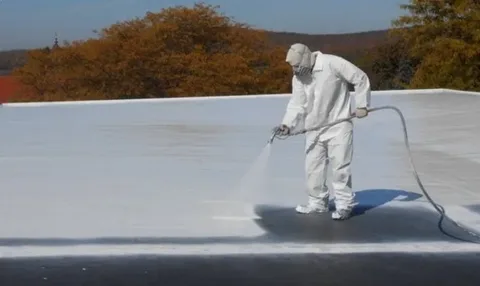
Spray polyurethane foam roofing systems offer an impressive service life that often exceeds fifty years when building owners follow a proper maintenance schedule. The primary answer to long term durability lies in the protective silicone or acrylic coating applied over the foam. While the foam itself is permanent and does not degrade, the top layer requires renewal every fifteen to twenty years to shield the system from ultraviolet radiation and physical wear.
This roofing technology provides a seamless barrier that eliminates leaks and improves energy efficiency by as much as thirty percent. Spray foam roofing is widely recognized by industry specialists for its high performance when properly applied and maintained. Experts note that the quality of the initial installation and the frequency of inspections play a critical role in determining how long spray foam roofing remains effective. This article provides a detailed look at the factors that influence the lifespan of a foam roof and explains how to maximize your investment in spray foam roofing.
Primary Factors Influencing Roof Durability
The longevity of a foam roof depends heavily on the thickness and quality of the protective coating. Since spray foam is sensitive to the sun's rays, it will begin to break down if left exposed for several months. Applying a high quality top coat ensures the foam underneath remains intact for the entire life of the building.
Maintenance represents the second most influential factor for a lasting roof. Regular checks for physical damage, such as bird pecking or heavy foot traffic, prevent moisture from entering the foam layers. When building owners address minor repairs quickly, they avoid larger issues that could compromise the structure.
The Role of Protective Coatings
Protective coatings serve as the first line of defense against the elements. Most systems use silicone or acrylic because these materials reflect sunlight and resist water penetration. Over time, these coatings slowly wear away due to weather and environmental debris, making the re-coating process necessary.
A fresh layer of coating essentially resets the clock on the roof's lifespan. This process involves cleaning the existing surface and spraying a new layer of material to restore the original thickness. This renewable nature is a unique advantage that other roofing types do not offer.
Silicone and Acrylic Options
Silicone is often preferred in areas with high rainfall or standing water because it does not break down under constant moisture. Acrylic coatings provide an affordable alternative for roofs with excellent drainage and lower humidity. Choosing the right material for the specific environment ensures the coating lasts for the full fifteen to twenty year cycle.
Experts recommend silicone for its superior adhesion and resistance to dirt pickup. This material stays flexible throughout wide temperature swings, preventing cracks that could lead to leaks. The choice between these materials should be based on a professional evaluation of the roof's slope and expected weather patterns.
Bonus Tip Monitor Coating Thickness
Building owners should ask for a thickness test during their annual inspection. Professionals use a small gauge to measure the remaining coating and determine if a re-coat is necessary sooner than expected. Keeping the coating at the manufacturer's recommended level prevents UV rays from reaching the foam.
Environmental Impacts in the Pacific Northwest
The climate in the Pacific Northwest presents specific challenges for roofing systems due to frequent rain and consistent dampness. High humidity levels mean that roofs must stay dry to prevent the growth of algae or moss. Spray foam roofing is particularly effective here because it has no seams where water can seep in.
Temperature fluctuations also play a role in how materials expand and contract. Because foam is flexible, it moves with the building without cracking or pulling away from the edges. This flexibility helps the roof maintain its seal through the changing seasons common in the Seattle area.
Rain and Moisture Management
Effective moisture management requires a roof that sheds water quickly into the drainage system. Spray foam can be applied in varying thicknesses to create a slight slope on flat surfaces, directing water toward drains or scuppers. This ability to correct drainage issues during installation is a significant benefit for older buildings.
Properly installed foam roofs do not absorb water because the material has a closed cell structure. Even if the top coating is punctured, the water cannot travel through the foam to reach the building interior. This characteristic provides an extra layer of safety during heavy rainstorms.
Drainage and Slope Requirements
A roof must have a minimum slope to prevent ponding water, which can weigh down the structure and accelerate coating wear. Installers use the foam to build up low areas where water tends to collect. This customized shaping ensures that the roof stays dry and remains in good condition for longer periods.
| Roofing Material | Expected Initial Lifespan | Maintenance Interval | Total Potential Life |
|---|---|---|---|
| Spray Polyurethane Foam | 20 Years | 15-20 Years | 50+ Years |
| TPO (Single-Ply) | 15-20 Years | 5-10 Years | 20-25 Years |
| EPDM (Rubber) | 20-25 Years | 5-10 Years | 25-30 Years |
| Modified Bitumen | 10-15 Years | 3-5 Years | 15-20 Years |

Installation Quality and Substrate Preparation
The lifespan of a foam roof begins with how well the installers prepare the surface. The foam must bond directly to the substrate, whether it is wood, metal, or an existing roof layer. Any dirt, grease, or moisture on the surface can prevent a strong bond and lead to delamination later.
Professional teams use high powered vacuums and air blowers to clear the roof before application. They also check the moisture content of the substrate to ensure it meets strict requirements. A clean, dry surface is the foundation of a roof that will last for fifty years.
Chemical Mixing and Temperature Control
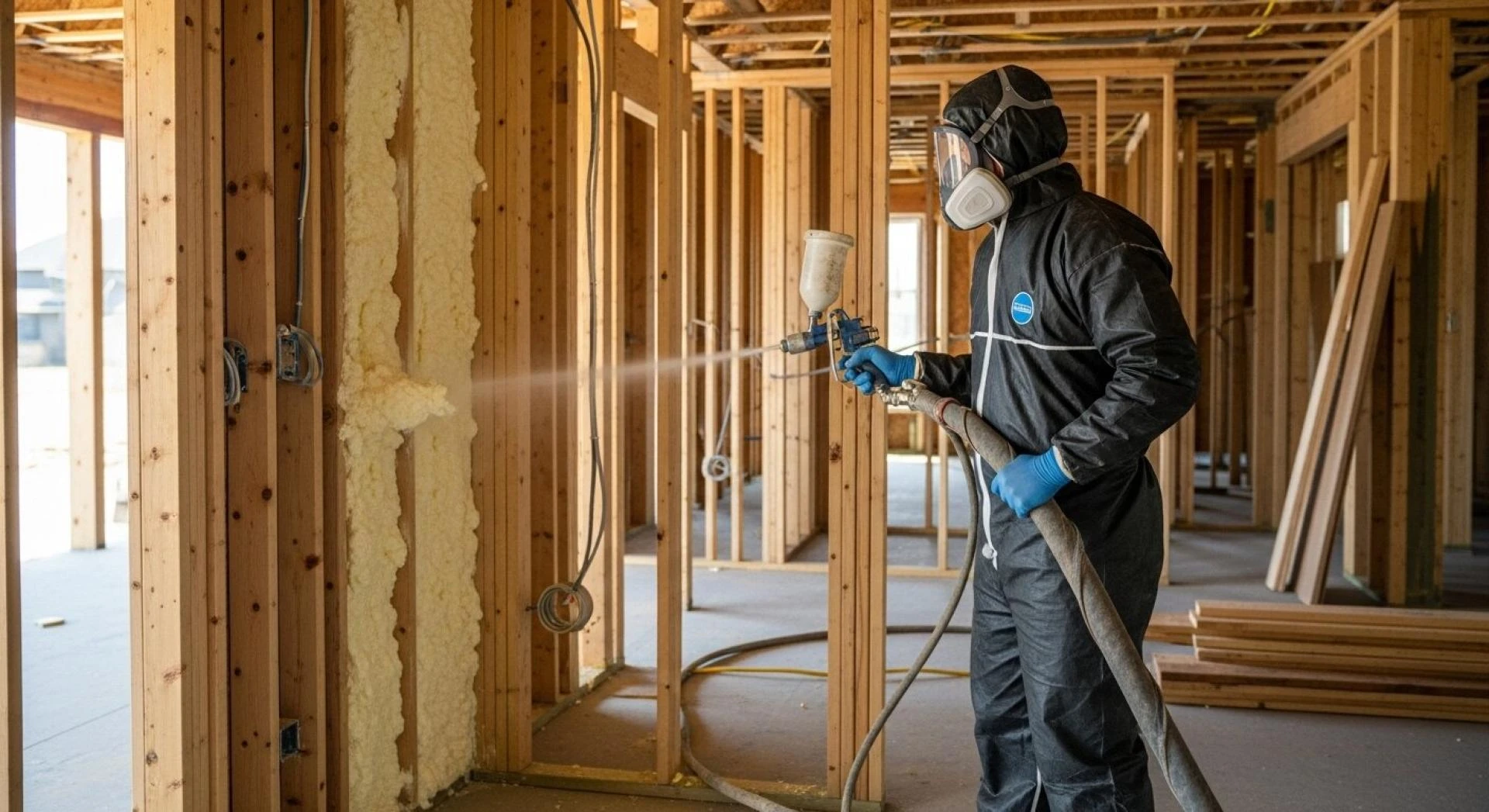
Spray foam is created by a chemical reaction between two components that must be mixed at precise temperatures and pressures. If the mix is off, the foam may be too soft or too brittle, which affects its durability. High end equipment and experienced technicians are required to get the mixture exactly right.
Outdoor conditions also affect the application process. If it is too windy or too cold, the foam may not expand correctly or could drift onto nearby objects. Experts monitor weather reports and use wind screens to ensure the material stays on the roof and cures as intended.
Adhesion Testing Procedures
Before starting a full installation, technicians often perform pull tests to verify that the foam sticks properly to the specific roof material. This test ensures that the system will resist wind uplift during strong storms. Passing these tests provides confidence that the roof will remain secure for decades.

Things to Consider Before Making a Decision
Choosing a roofing system involves looking at both the initial costs and the long term value. While foam roofs require a higher upfront investment than some traditional materials, they offer significant savings on energy and maintenance. Owners should consider how long they plan to keep the building when evaluating these options.
The history of the existing roof also matters. In many cases, a foam roof can be installed directly over an old system, saving the cost of a full tear-off and reducing waste in landfills. A professional inspection will determine if the current structure is strong enough to support the new foam layers.
Practical Questions People Ask About Foam Roofs
How much weight can a spray foam roof support?
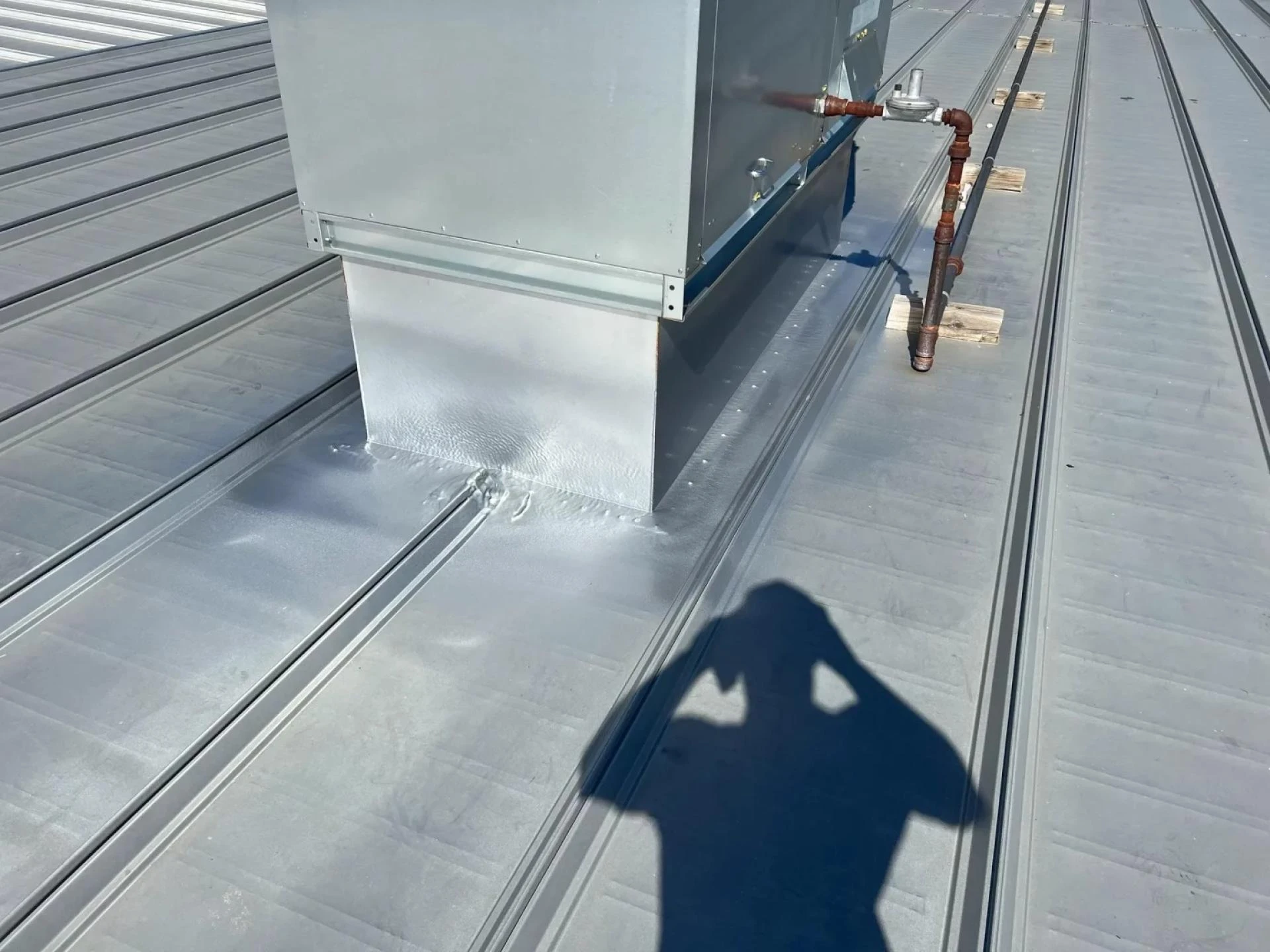
A spray foam roof is dense enough to support normal maintenance traffic and heavy HVAC equipment. Most systems have a compressive strength of forty to sixty pounds per square inch. This makes them much stronger than they appear and perfectly safe for walking during inspections.
Can a foam roof be repaired if it gets punctured?
Yes, minor punctures or tears are easily fixed with a small amount of silicone caulk or additional foam. These repairs are simple enough for maintenance staff to handle if they follow the manufacturer's guidelines. Quick repairs prevent the underlying foam from being exposed to the sun.
Does a foam roof help with noise reduction?
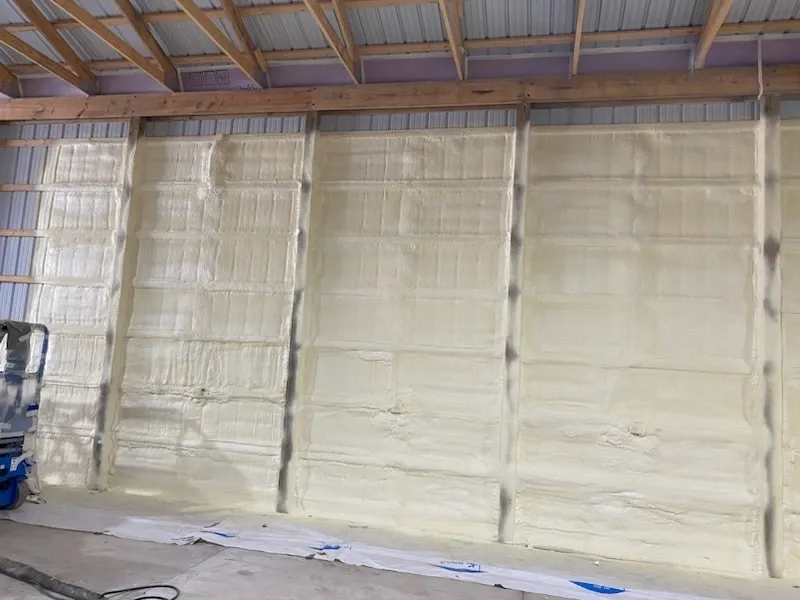
Spray foam is an excellent sound insulator and can significantly reduce the noise from rain, wind, and outdoor traffic. This is a popular feature for schools, hospitals, and office buildings where a quiet interior is necessary. The thick layer of foam dampens vibrations before they enter the structure.
How often should I inspect my foam roof?
Most experts recommend a professional inspection twice a year, usually in the spring and fall. These checks identify any debris in the drains or small physical damage from the winter or summer seasons. Catching small issues early is the most effective way to ensure a long lifespan.
Is spray foam roofing fire resistant?
Spray polyurethane foam systems are tested and rated for fire resistance, often carrying a Class A rating. The protective coatings are also formulated to resist flames and prevent the spread of fire. Building owners should verify that the specific system meets local fire codes for their building type.
Evaluating Long Term Value
The total cost of ownership for a foam roof is often lower than any other roofing type because it never needs to be torn off. Instead of replacing the entire roof every twenty years, owners simply add a new top coat. This avoids the high labor costs and disposal fees associated with traditional roof replacements.
Energy savings also contribute to the long term value. Data shows that foam roofs can reduce cooling costs by up to fifteen percent in the summer. When combined with the fifty year potential life, these benefits make spray foam a dominant choice for commercial and industrial facilities looking for sustainability.
Expert Support for Roofing Projects
Finding a qualified provider is the most important step in ensuring a successful roofing project. Cascadia Spray Foam Insulation of Seattle offers professional assessments and precision application for buildings throughout the region. Their team focuses on long term durability by using high quality materials and thorough preparation techniques. For more information about their services or to schedule an inspection, contact them at (425) 386-3500 or via email at [email protected]. Reaching out to their specialists helps building owners make informed decisions about their property's protection and efficiency.
Reviewer: Olivia Thompson has spent 10 years working in spray foam insulation, helping companies grow their visibility. She reviewed this article and provided valuable suggestions to better align the content with customers' needs and expectations, ensuring it resonates with the target audience.






















Sign in to leave a comment.